Understanding Why Caviar Is Sensitive to Heat
Caviar’s sensitivity to heat lies in its biological structure and fat composition, which are designed to remain intact in cold aquatic environments rather than endure high temperatures. When exposed to heat, the proteins in the roe coagulate quickly, causing the eggs to firm up or burst, while the natural oils oxidize and lose their nuanced flavors. Even moderate heat can dull caviar’s signature briny freshness, replacing it with a flat or overly fishy taste. Unlike other seafood ingredients that benefit from cooking, caviar is already cured and ready to eat, meaning additional heat offers no safety advantage and only increases the risk of quality loss. This inherent fragility is why temperature control is the most important consideration when incorporating caviar into any dish.
Read: Caviar Delivery New York City | Premium Sturgeon Caviar Delivered Fresh
The Do’s of Using Caviar in Warm Dishes
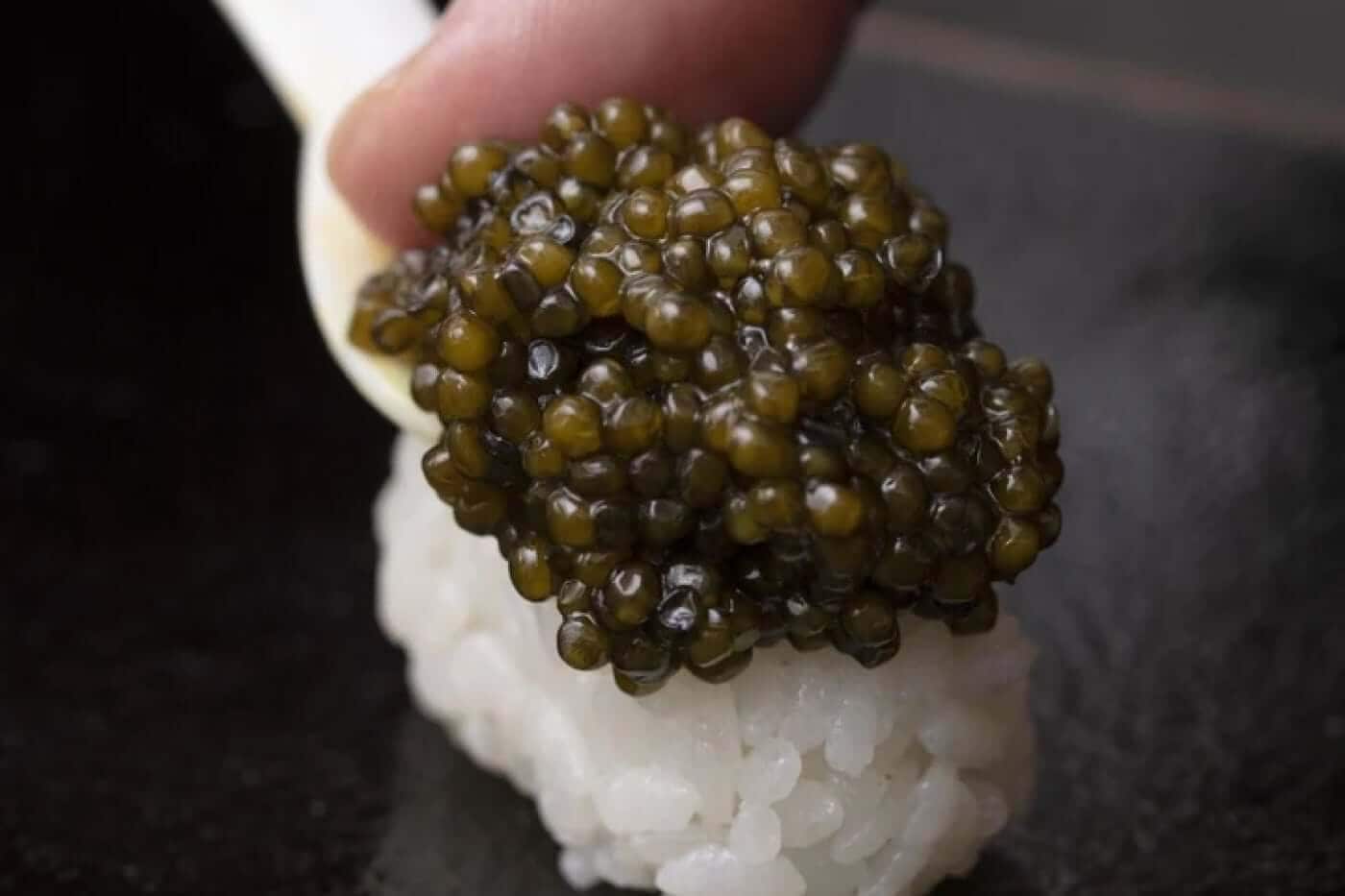
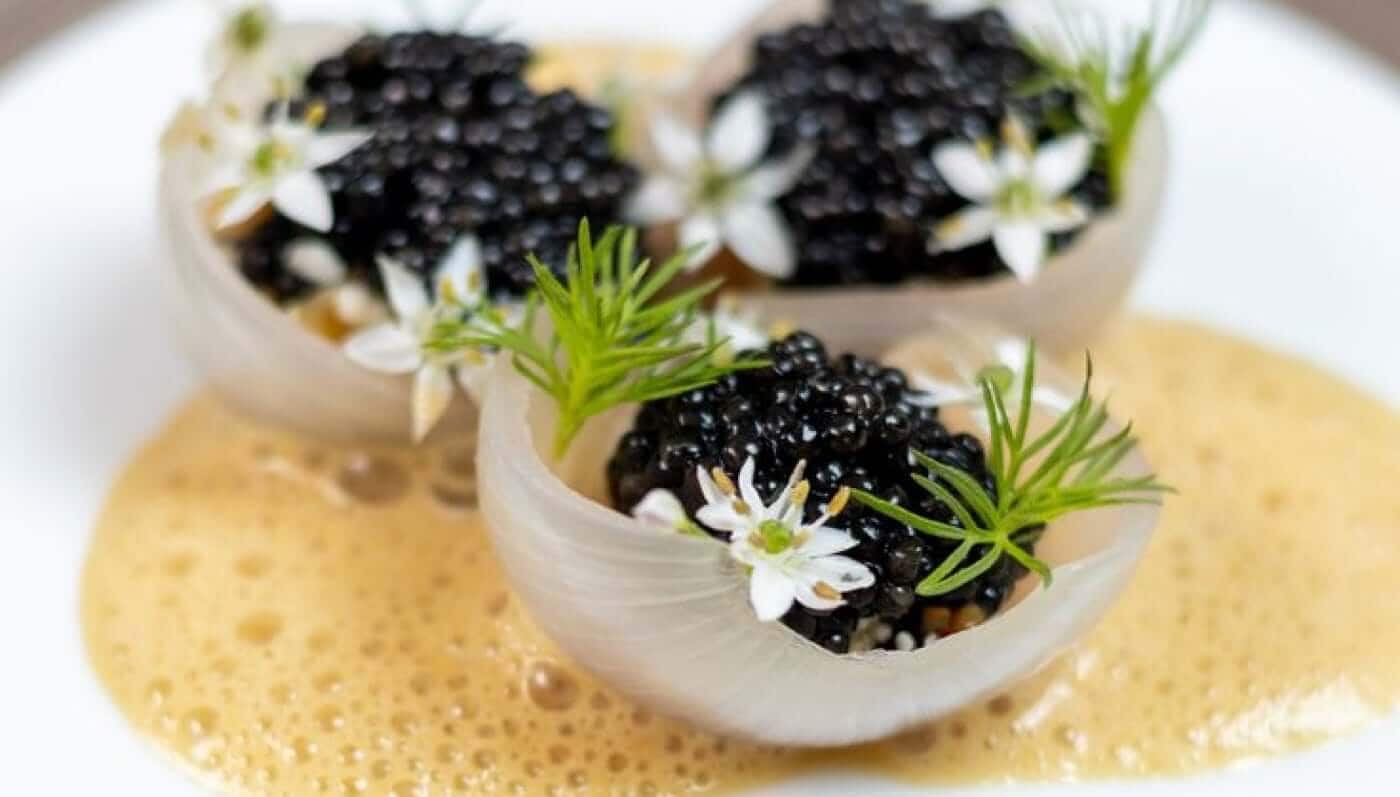
One of the safest ways to use caviar in warm preparations is to add it at the very end of cooking, once the heat source has been removed. Residual warmth from foods like pasta, risotto, or scrambled eggs can gently release caviar’s aromas without fully cooking the roe. Another recommended approach is to use caviar as a garnish rather than an integrated ingredient, allowing it to sit atop warm dishes where it is lightly warmed but not exposed to direct heat. Serving caviar with warm components that are creamy or fatty, such as butter sauces or soft eggs, also helps buffer it from temperature shock. These methods preserve the eggs’ integrity while creating a pleasing contrast between warm textures and cool, briny bursts of flavor.
The Don’ts: Common Heat-Related Mistakes to Avoid
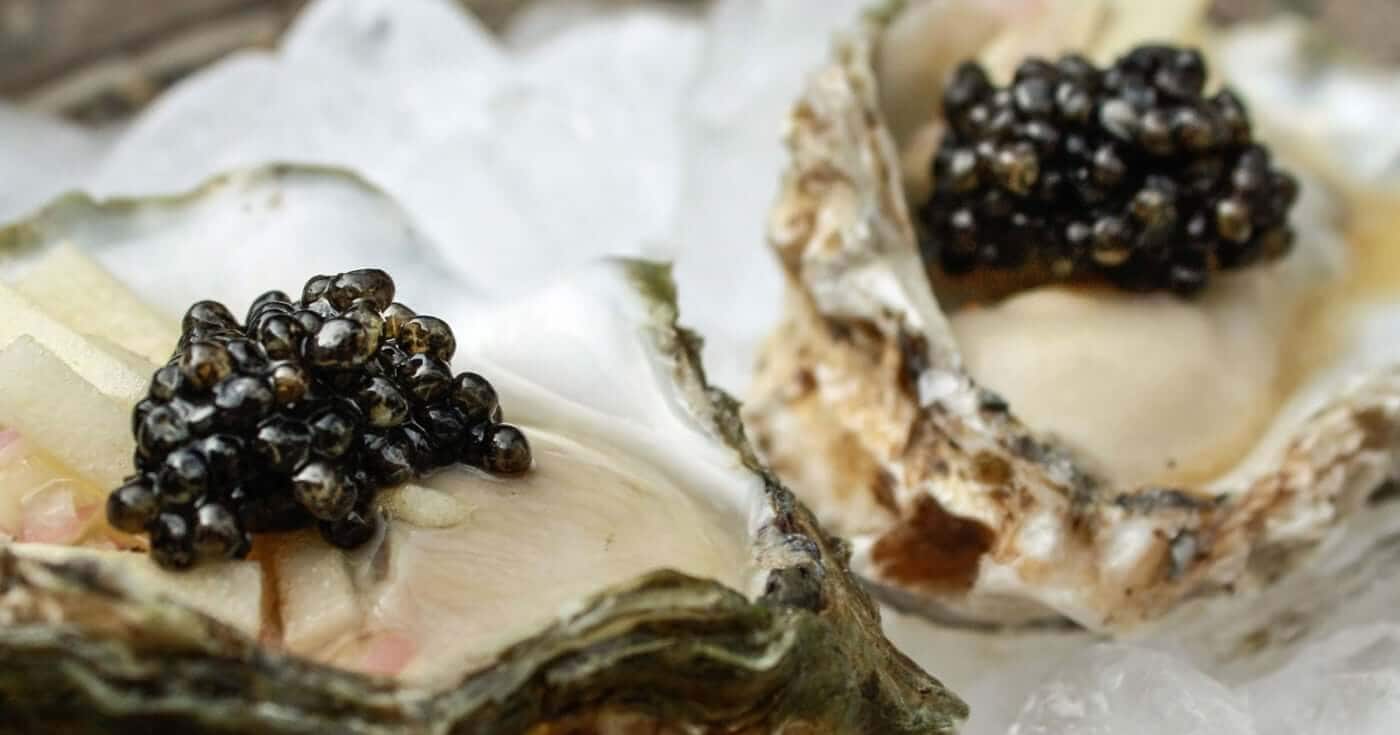
One of the most common mistakes when cooking with caviar is exposing it to direct heat sources such as stovetops, ovens, or broilers. Sautéing, baking, or simmering caviar will almost always result in popped eggs and a grainy, unpleasant texture. Another critical error is reheating dishes that already contain caviar, as even gentle reheating can push the roe past its tolerance threshold. Microwaves are particularly harmful, since they heat unevenly and can instantly destroy the structure of the eggs. Additionally, mixing caviar into very hot sauces or liquids can cause immediate protein denaturation, robbing the dish of both visual appeal and flavor complexity. Avoiding these mistakes is essential for maintaining caviar’s luxurious character.
Read: Now Delivering Premium Caviar in Los Angeles
How Different Types of Caviar Respond to Heat
Not all caviar responds to heat in exactly the same way, although none truly benefit from being cooked. Sturgeon caviars such as Beluga, Osetra, and Sevruga are especially delicate, with thin membranes that rupture easily under heat exposure. Salmon roe and trout roe, which are larger and have thicker skins, may tolerate slightly more warmth, but they still lose their fresh pop and clean taste when heated. Pasteurized or shelf-stable caviars may appear more resilient, yet their flavor profiles are already compromised compared to fresh varieties, and heat further diminishes their quality. Understanding these differences helps chefs choose the right type of roe for warm applications, favoring those that can withstand minimal residual heat without complete breakdown.
Pairing Caviar with Warm Ingredients the Right Way
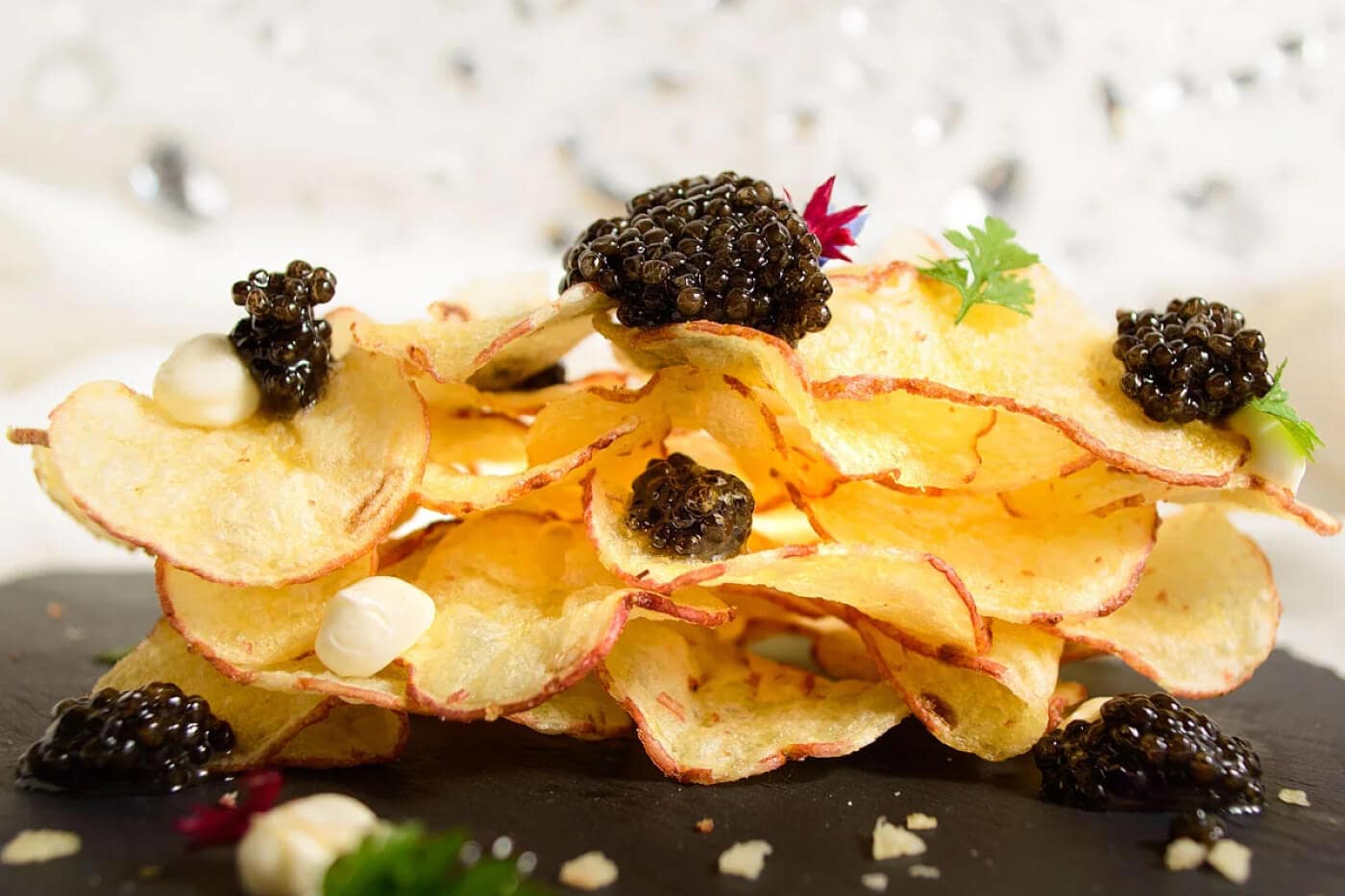
Successful pairing of caviar with warm ingredients depends on balance, timing, and temperature moderation. Neutral, mildly warm foods such as potatoes, eggs, pasta, and seafood provide a gentle canvas that allows caviar to shine without overwhelming it. The key is to ensure these components are warm rather than hot, ideally below the point where steam is visibly rising. Cream-based sauces, beurre blanc, and light emulsions help insulate the roe while enhancing its richness. Caviar should always be the final addition, placed carefully on top rather than stirred in, preserving its visual elegance and distinctive mouthfeel. This thoughtful approach ensures harmony between warmth and delicacy.
Professional Chef Techniques for Heat Control
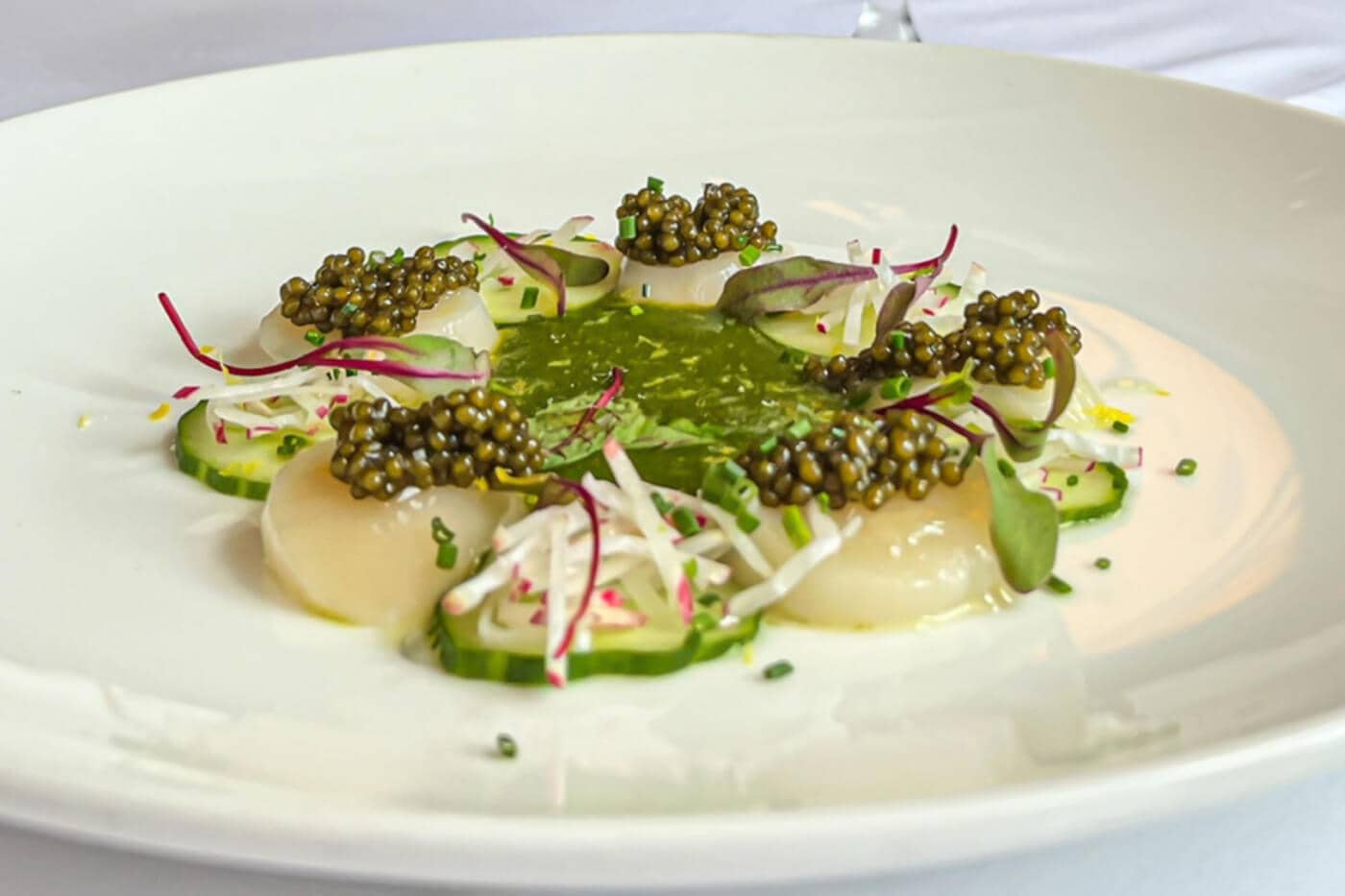
Professional chefs rely on precise temperature management to incorporate caviar into warm dishes without damaging it. One common technique is plating caviar on separate chilled spoons or plates and adding it tableside, allowing diners to experience the contrast firsthand. Others use low-temperature holding methods, keeping caviar chilled until the exact moment of service. In high-end kitchens, infrared thermometers may be used to ensure that base dishes are within a safe temperature range before caviar is added. These techniques highlight that cooking with caviar is less about applying heat and more about controlling it, emphasizing restraint rather than transformation.
Conclusion
Cooking with caviar requires a mindset shift from traditional cooking techniques to a more delicate, preservation-focused approach. Heat is not an ally to caviar but a force that must be carefully managed and minimized. By understanding why caviar is sensitive to temperature, avoiding direct heat exposure, and using warmth only as a subtle enhancer, cooks can create sophisticated dishes that honor the ingredient’s luxury and complexity. Whether used as a finishing touch on warm foods or paired thoughtfully with gentle heat, caviar rewards those who treat it with patience and respect. Mastering the do’s and don’ts of heat exposure ensures that every bite delivers the texture, flavor, and elegance that make caviar truly exceptional.
About the Author
 Igor Fishbeyn - Caviar Purveyor
Igor Fishbeyn is purveyor of fine sturgeon caviar and creator of the Skazka Caviar brand. He is an expert with decades of experience specializing in importing, wholesaling, and retailing the finest quality caviar in the world. Igor frequently writes about caviar news and various topics about the caviar industry. He lives in San Francisco with his wife and daughter.
Shop Skazka Caviar
Browse Our Exclusive Caviar Collection
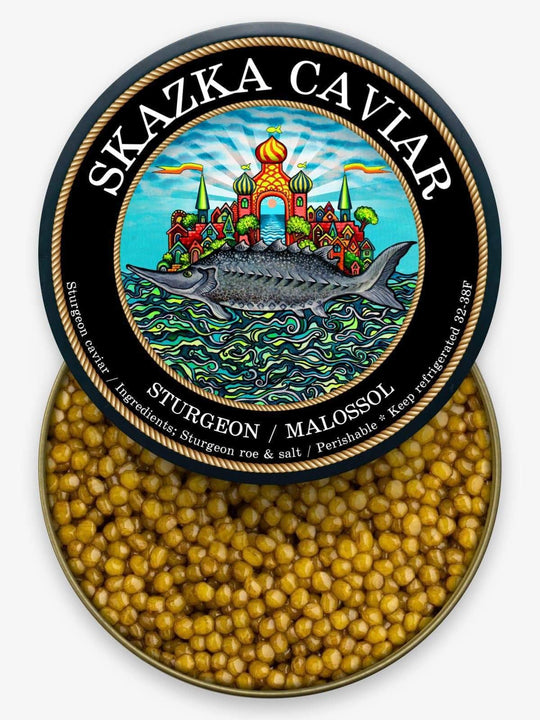
“Tsar Reserve” Golden Osetra Caviar
$395
Anyone with a taste for fine caviar will love “Royal Reserve” Golden Osetra Caviar. Its beautiful deep amber color is the first sign you’ll have that you’re in for something special, and once it hits your tongue you’ll know just… read more
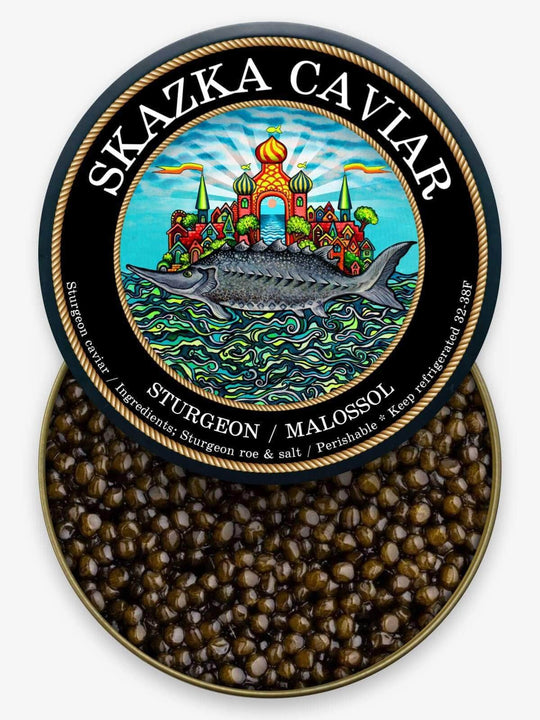
“Oprah’s Favorite” Russian Osetra Caviar
$295
$335
This medium-sized caviar is sure to be the star of any party or function you may throw. Its deep chocolate brown color is indicative of its rich and buttery flavor. Amber Osetra caviar has one of the cleanest tastes of any… read more
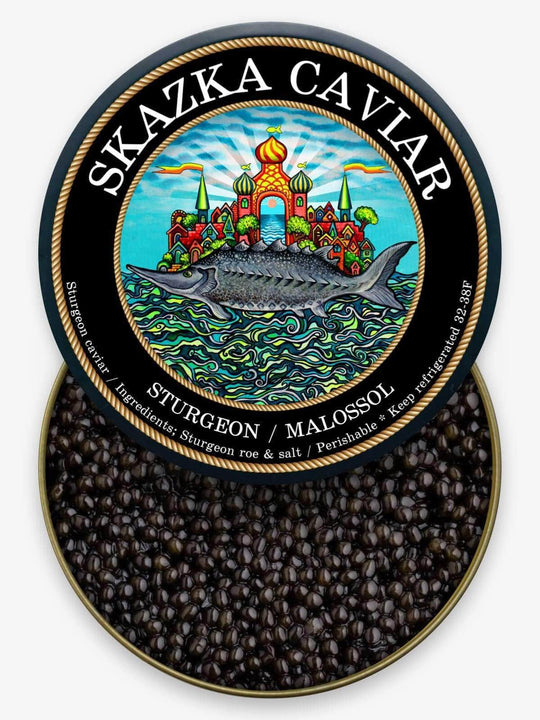
"Russian Czar" Beluga Sturgeon Caviar
$495
$599
With an incomparable richness, “Russian Czar” Beluga Sturgeon Caviar is a knockout when it comes to fine caviar. Traditionally harvested in Russia, this caviar holds a tradition of greatness throughout history. With buttery notes that linger on the taste buds,… read more
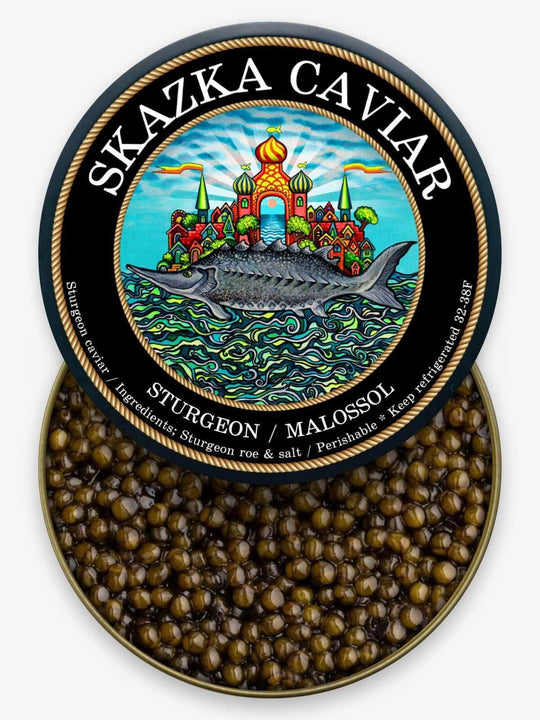
“River Beluga” Kaluga Sturgeon Caviar
$295
$395
This large, robust caviar is a favorite of connoisseurs. Its firmness provides a satisfying texture that will keep you coming back for seconds and even thirds. Its luxurious chocolate brown color is perfectly evocative of its rich taste. Hints of… read more
Shop Caviar By Type
Shop Black Caviar | Shop Red Caviar | Shop Caviar Accessories
Shop Beluga Caviar | Shop Kaluga Caviar | Shop White Sturgeon Caviar
Shop Osetra Caviar | Shop Salmon Roe | Shop Albino Sturgeon Caviar