Beluga Caviar: The Ultimate in Creamy Luxury
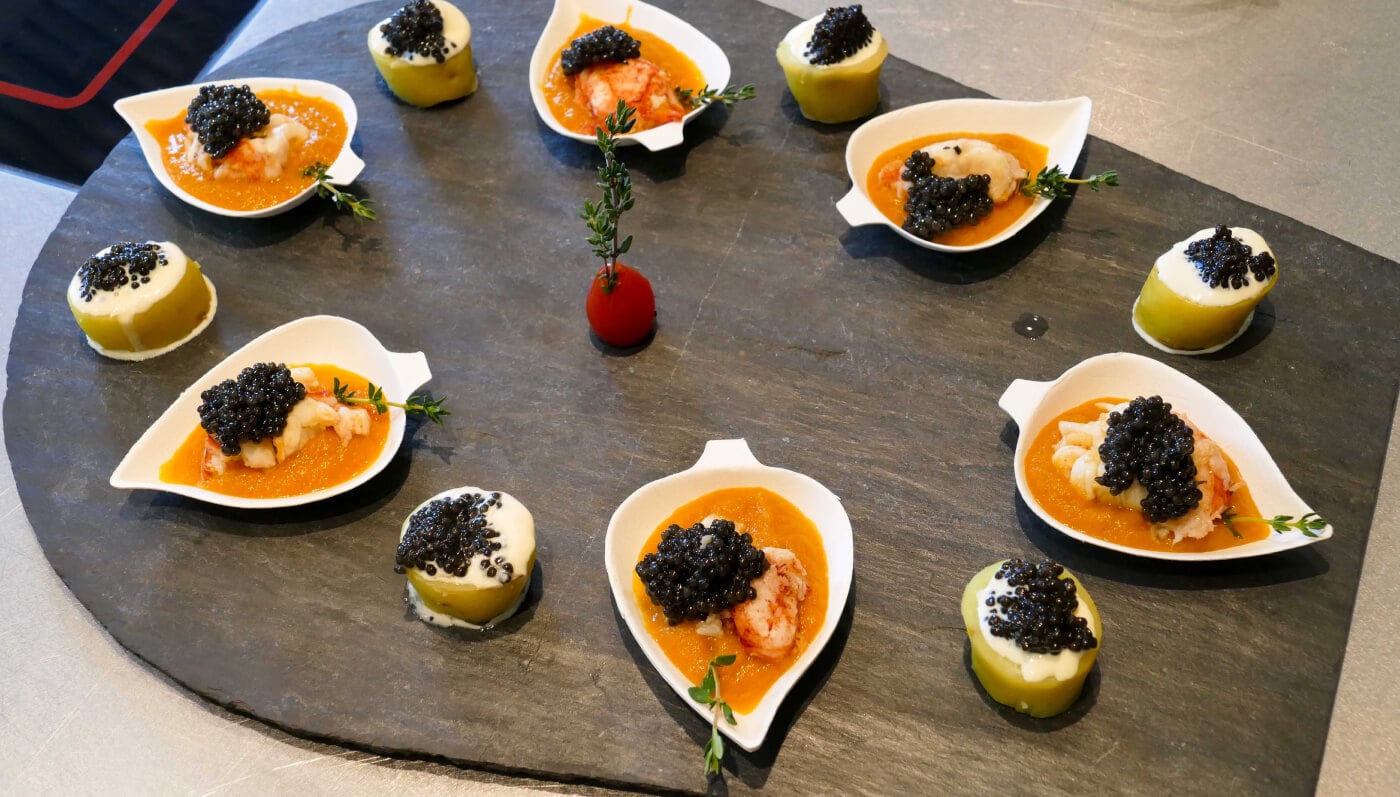
Beluga caviar is considered the most prestigious and sought-after variety, prized for its large, soft pearls and refined flavor profile. Harvested from the Beluga sturgeon, this caviar offers a delicate, buttery taste with subtle marine notes and almost no fishiness, making it ideal for beginners who prefer smooth, mild flavors. The texture is exceptionally silky, with eggs that gently melt on the palate rather than burst. Because of its rarity and long maturation time, Beluga caviar is also the most expensive, often reserved for special occasions or connoisseurs seeking the pinnacle of caviar luxury.
Read: The Role of Accompaniments in Enhancing Caviar Experiences
Osetra Caviar: Nutty, Complex, and Balanced
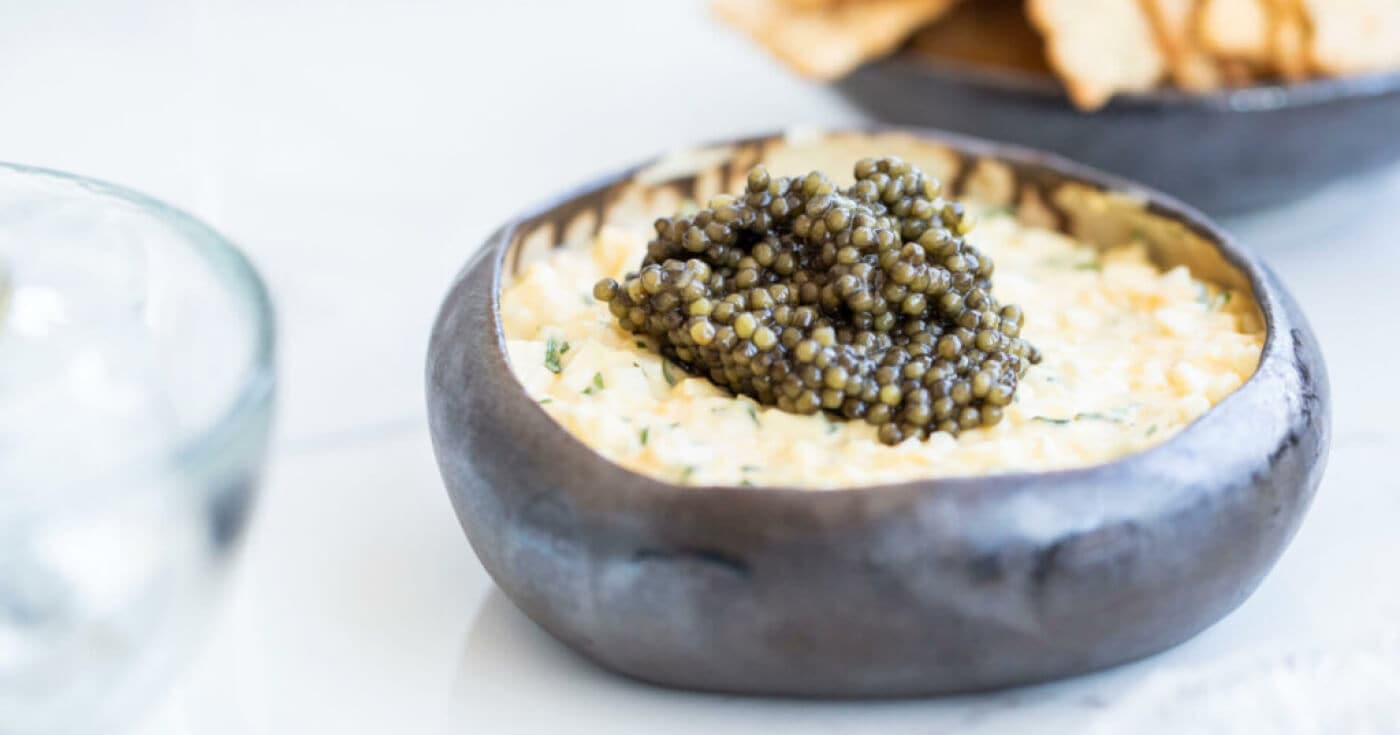
Osetra caviar strikes a perfect balance between richness and complexity, making it a popular choice for both beginners and experienced caviar lovers. Sourced from the Osetra sturgeon, it features medium-sized pearls that range in color from golden brown to deep amber. The flavor is distinctly nutty, with hints of walnut, cream, and sea breeze, offering more depth than Beluga without becoming overpowering. Its firm texture provides a satisfying pop, releasing layers of flavor that linger pleasantly. Osetra is an excellent introduction for those ready to explore nuanced caviar profiles.
Sevruga Caviar: Bold, Briny, and Intense
Sevruga caviar is known for its strong personality and assertive taste, making it a bold option for adventurous beginners. The eggs are smaller and darker, harvested from the Sevruga sturgeon, and deliver a distinctly briny, ocean-forward flavor with pronounced salinity. Compared to Beluga and Osetra, Sevruga has a sharper, more intense finish that appeals to those who enjoy robust seafood flavors. Its crisp texture creates a quick pop in the mouth, releasing an immediate burst of umami. Sevruga is often more affordable, making it a good entry point for experimenting with traditional caviar.
Read: How to Handle Caviar with Care: Avoiding Common Mistakes
Kaluga Caviar: A Sustainable Beluga Alternative
Kaluga caviar is frequently compared to Beluga due to its large pearl size and creamy mouthfeel, but it offers a slightly more robust flavor profile. Produced from the Kaluga hybrid sturgeon, this caviar features rich buttery notes combined with subtle brine and a clean, smooth finish. Its eggs are firm yet tender, creating a luxurious texture that appeals to beginners seeking indulgence without excessive intensity. Kaluga caviar is also widely regarded as a more sustainable option, making it an ethical choice for those conscious of environmental impact while still wanting a premium experience.
White Sturgeon Caviar: Mild and Approachable
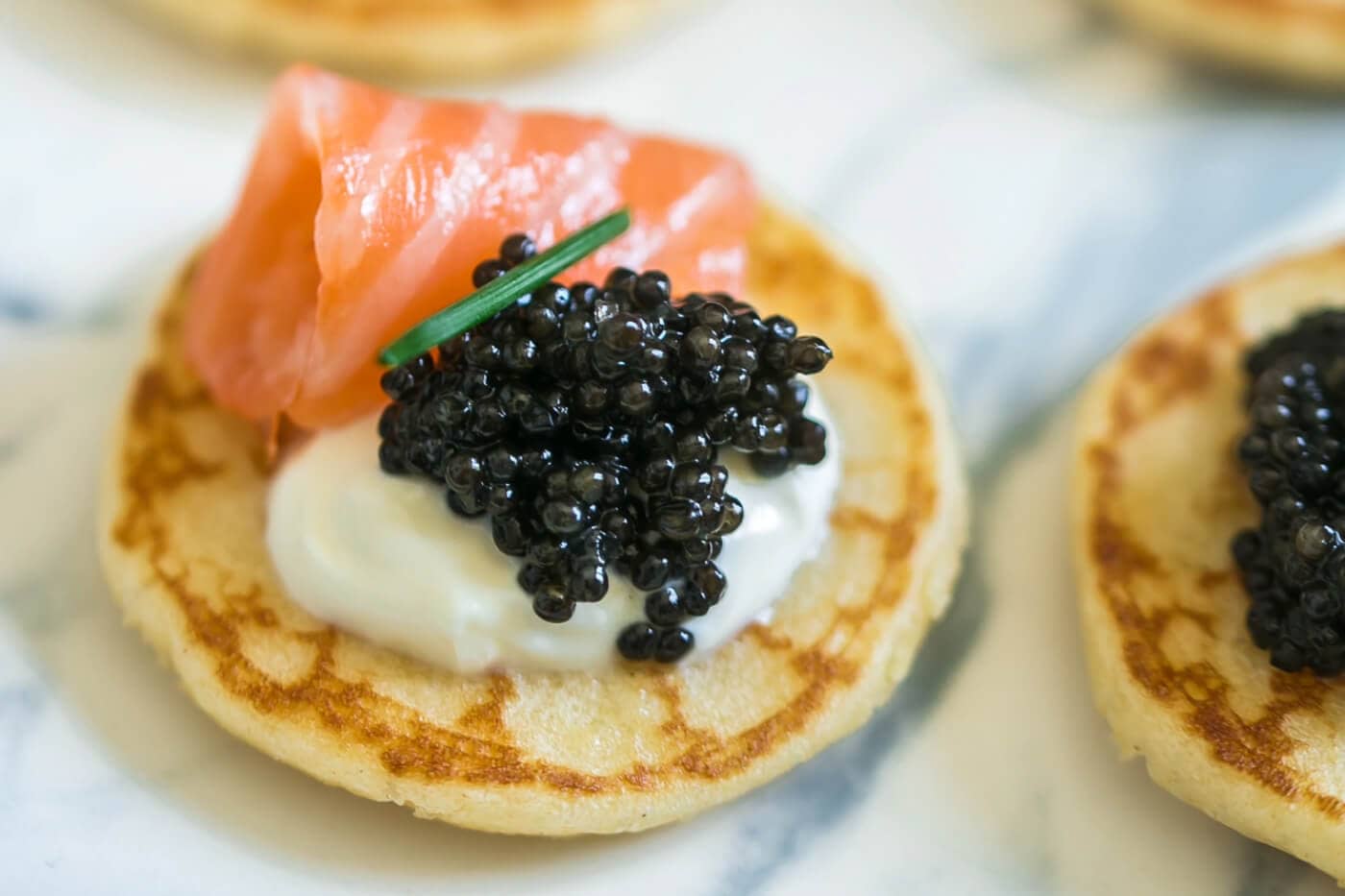
White Sturgeon caviar is one of the most accessible varieties for beginners, offering a mild, clean flavor that is easy to enjoy. The pearls are medium to large, typically dark gray or black, with a smooth texture and gentle pop. Flavor-wise, White Sturgeon caviar delivers subtle buttery notes with a light brininess, avoiding the strong fishiness that can deter first-time tasters. Its balanced profile makes it versatile for pairing with blinis, crème fraîche, or simple toast points. Widely produced in sustainable farms, it also offers excellent value for those new to caviar.
Paddlefish Caviar: Budget-Friendly with Bold Flavor
Paddlefish caviar is technically a roe alternative rather than true sturgeon caviar, but it remains a popular choice for beginners exploring caviar flavors on a budget. The small, glossy black pearls have a soft texture and a pronounced briny, earthy taste that closely resembles traditional caviar. While it lacks the refined creaminess of Beluga or Osetra, Paddlefish caviar delivers a satisfying umami punch that works well in appetizers and garnishes. Its affordability and availability make it an excellent starting point for learning how different roes taste and behave.
Conclusion
Choosing the right caviar as a beginner does not have to be overwhelming when you understand the basic flavor profiles and textures of each variety. From the buttery elegance of Beluga and Kaluga to the nutty complexity of Osetra and the bold intensity of Sevruga, every type of caviar offers a unique tasting experience. Milder options like White Sturgeon provide a gentle introduction, while Paddlefish allows newcomers to explore caviar flavors without a significant investment. By using this flavor comparison as a guide, beginners can confidently select caviar that aligns with their palate, ensuring an enjoyable and memorable introduction to this timeless delicacy.
About the Author
 Igor Fishbeyn - Caviar Purveyor
Igor Fishbeyn is purveyor of fine sturgeon caviar and creator of the Skazka Caviar brand. He is an expert with decades of experience specializing in importing, wholesaling, and retailing the finest quality caviar in the world. Igor frequently writes about caviar news and various topics about the caviar industry. He lives in San Francisco with his wife and daughter.
Shop Skazka Caviar
Browse Our Exclusive Caviar Collection
[dib_prod_5322279944351] [dib_prod_5322391584927] [dib_prod_5322633216159][dib_prod_5322609590431]
Shop Caviar By Type
Shop Black Caviar | Shop Red Caviar | Shop Caviar Accessories
Shop Beluga Caviar | Shop Kaluga Caviar | Shop White Sturgeon Caviar
Shop Osetra Caviar | Shop Salmon Roe | Shop Albino Sturgeon Caviar