Why Caviar Is Heavily Regulated Worldwide
Caviar regulations exist mainly to protect sturgeon populations, many of which were pushed to the brink of extinction during the 20th century due to illegal fishing and unregulated trade. Sturgeons are slow-growing fish that can take over a decade to mature, making them particularly vulnerable to overexploitation. As demand for caviar grew globally, especially for wild-sourced varieties from the Caspian and Black Sea regions, governments and conservation organizations stepped in to impose strict controls. These regulations govern harvesting, processing, labeling, exporting, and importing caviar, ensuring that trade does not threaten the survival of remaining sturgeon species while promoting responsible aquaculture as a sustainable alternative.
Read: Comparing Caviar Varieties: A Flavor Chart for Beginners
CITES and International Caviar Trade Laws
The Convention on International Trade in Endangered Species of Wild Fauna and Flora (CITES) is the cornerstone of global caviar regulation. All sturgeon and paddlefish species are listed under CITES, meaning that international trade in their roe is strictly monitored. Any legally traded caviar must be accompanied by official CITES permits, whether it comes from wild or farmed sources. These permits specify species type, country of origin, year of harvest, and processing facility. Buyers involved in cross-border transactions should always verify that sellers provide valid CITES documentation, as importing or exporting caviar without it can result in severe penalties, including seizure of goods and substantial fines.
Understanding Legal Caviar Labeling Requirements
Legal caviar labeling is not just a formality—it is a critical tool for traceability and compliance. Authentic caviar containers must include a non-reusable label that follows CITES standards, often referred to as a “CITES label.” This label typically contains a standardized code that identifies the species, origin (wild or farmed), country of production, processing plant registration number, and harvest year. Buyers should carefully examine these labels, as incorrect or missing information can signal illegal or counterfeit products. Proper labeling helps authorities track caviar through the supply chain and allows buyers to confirm they are purchasing legally sourced and ethically produced caviar.

Read: The Role of Accompaniments in Enhancing Caviar Experiences
Import and Export Rules Buyers Must Follow
Importing and exporting caviar is subject to strict quantity limits and customs declarations, especially for personal use. Many countries allow travelers to carry a small amount of caviar—often up to 125 grams per person—without a commercial permit, but this allowance varies by destination and must still comply with CITES rules. Commercial buyers, such as restaurants or distributors, face even stricter requirements, including import licenses, health certificates, and customs inspections. Failure to declare caviar properly at borders is one of the most common legal violations, often resulting in confiscation even when the product itself is legally sourced.

Farmed vs. Wild Caviar: Legal Differences
From a legal perspective, farmed caviar is generally easier to trade than wild caviar, but it is not exempt from regulation. Farmed sturgeon operations must be registered, licensed, and regularly inspected to ensure compliance with environmental and animal welfare standards. While wild caviar faces tighter quotas and, in some regions, outright bans, farmed caviar has become the dominant legal option in global markets. Buyers should still exercise due diligence, as illegally harvested wild caviar is sometimes falsely marketed as farmed. Verifying documentation and purchasing from reputable suppliers are key steps in avoiding illegal products.
Penalties and Risks of Buying Illegal Caviar
The consequences of buying illegal caviar can be severe, even for unsuspecting consumers. Penalties may include hefty fines, criminal charges, confiscation of goods, and reputational damage for businesses. In some countries, ignorance of the law is not considered a valid defense, meaning buyers are responsible for ensuring compliance. Beyond legal risks, purchasing illegal caviar also contributes to environmental harm and undermines conservation efforts. Understanding the legal landscape helps buyers protect themselves while supporting sustainable practices that ensure caviar remains available for future generations.
Conclusion
Navigating the legalities of caviar trade may seem daunting, but it is an essential responsibility for anyone purchasing this luxury product. From international agreements like CITES to labeling standards, import rules, and distinctions between farmed and wild caviar, the regulatory framework exists to protect endangered species and promote sustainability. Buyers who educate themselves, verify documentation, and choose reputable suppliers can enjoy caviar with confidence and peace of mind. Ultimately, understanding caviar trade laws not only safeguards buyers from legal trouble but also plays a vital role in preserving one of the world’s most treasured culinary delicacies.
About the Author
 Igor Fishbeyn - Caviar Purveyor
Igor Fishbeyn is purveyor of fine sturgeon caviar and creator of the Skazka Caviar brand. He is an expert with decades of experience specializing in importing, wholesaling, and retailing the finest quality caviar in the world. Igor frequently writes about caviar news and various topics about the caviar industry. He lives in San Francisco with his wife and daughter.
Shop Skazka Caviar
Browse Our Exclusive Caviar Collection
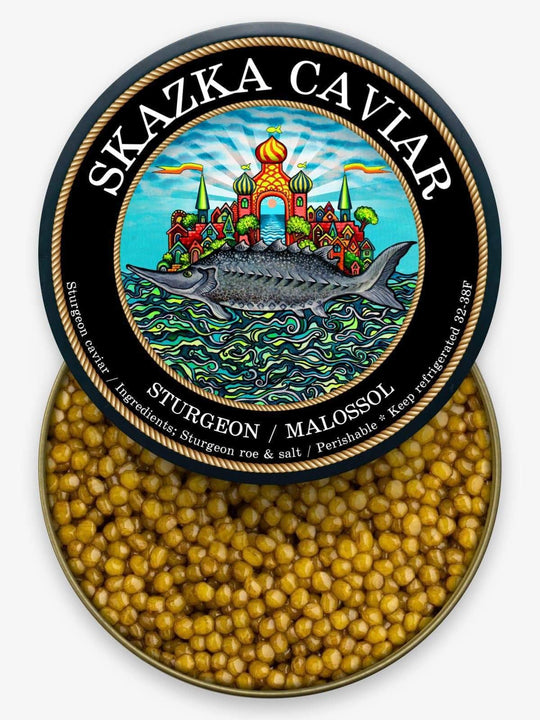
“Tsar Reserve” Golden Osetra Caviar
$395
Anyone with a taste for fine caviar will love “Royal Reserve” Golden Osetra Caviar. Its beautiful deep amber color is the first sign you’ll have that you’re in for something special, and once it hits your tongue you’ll know just… read more
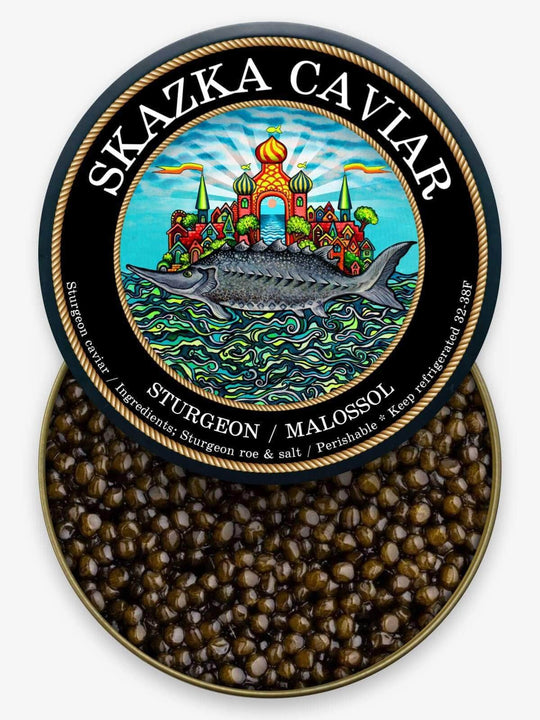
“Oprah’s Favorite” Russian Osetra Caviar
$295
$335
This medium-sized caviar is sure to be the star of any party or function you may throw. Its deep chocolate brown color is indicative of its rich and buttery flavor. Amber Osetra caviar has one of the cleanest tastes of any… read more
"Russian Czar" Beluga Sturgeon Caviar
$495
$599
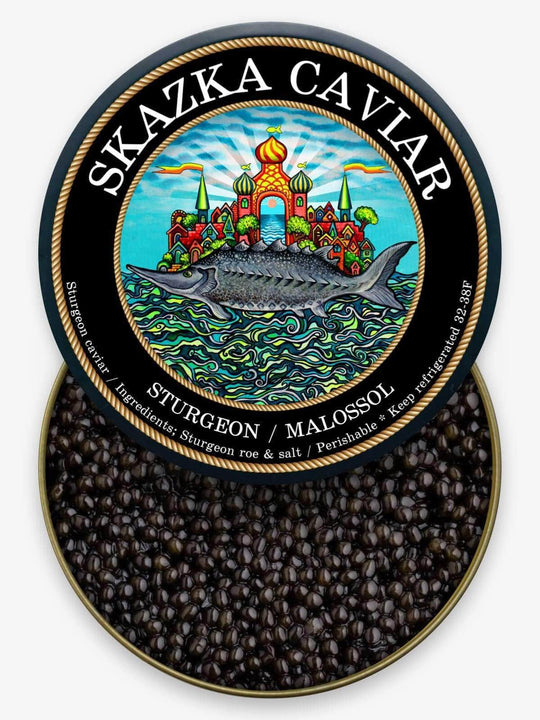
With an incomparable richness, “Russian Czar” Beluga Sturgeon Caviar is a knockout when it comes to fine caviar. Traditionally harvested in Russia, this caviar holds a tradition of greatness throughout history. With buttery notes that linger on the taste buds,… read more
“River Beluga” Kaluga Sturgeon Caviar
$295
$395
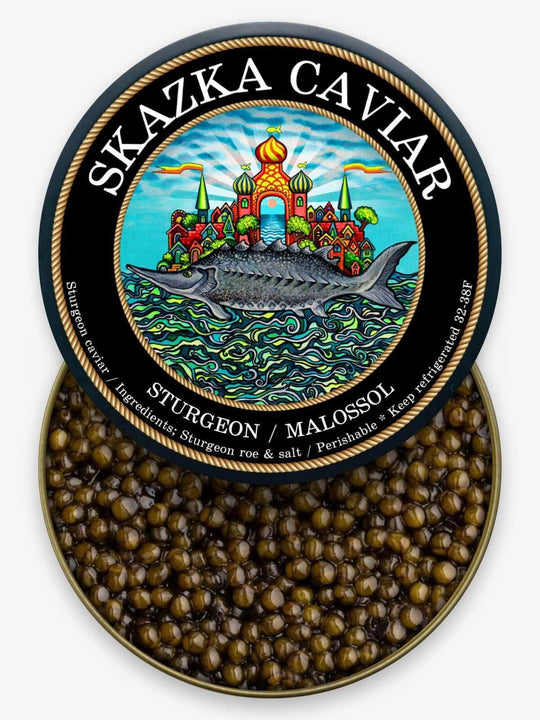
This large, robust caviar is a favorite of connoisseurs. Its firmness provides a satisfying texture that will keep you coming back for seconds and even thirds. Its luxurious chocolate brown color is perfectly evocative of its rich taste. Hints of… read more
Shop Caviar By Type
Shop Black Caviar | Shop Red Caviar | Shop Caviar Accessories
Shop Beluga Caviar | Shop Kaluga Caviar | Shop White Sturgeon Caviar
Shop Osetra Caviar | Shop Salmon Roe | Shop Albino Sturgeon Caviar