 Roe—those delicate, glistening pearls of fish eggs—offers one of the most distinctive sensory experiences in cuisine. Whether it’s the luxurious burst of caviar or the briny pop of tobiko atop sushi, the defining pleasure lies in texture as much as flavor. That satisfying “pop” is not accidental; it is the result of precise biological structure, careful handling, and culinary technique. Understanding what makes roe pop perfectly reveals why some varieties command premium prices while others fall flat. This article explores the science, preparation, and factors behind roe’s signature texture, helping you appreciate every bite on a deeper level.
The Science Behind Roe Texture
At its core, the texture of roe is determined by the structure of each individual egg. Fish eggs are composed of a thin outer membrane called the chorion, which encases a liquid interior rich in proteins and lipids. The integrity and elasticity of this membrane are what create the iconic popping sensation when pressure is applied. If the membrane is too thick, the roe becomes chewy; too thin, and it collapses without resistance. The ideal roe strikes a balance, offering a gentle resistance before releasing its contents in a clean burst. This structural harmony is influenced by species, maturity, and environmental conditions, making texture a naturally variable but controllable trait.
Read: Why Freshness Matters When Buying Premium Roe
Species Matters: Not All Roe Is Equal
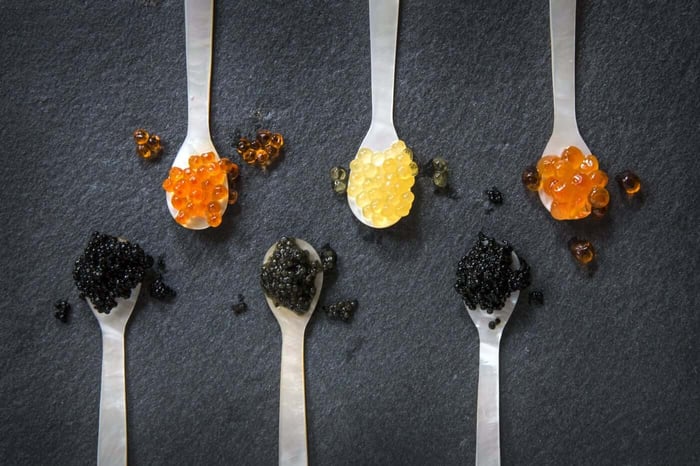
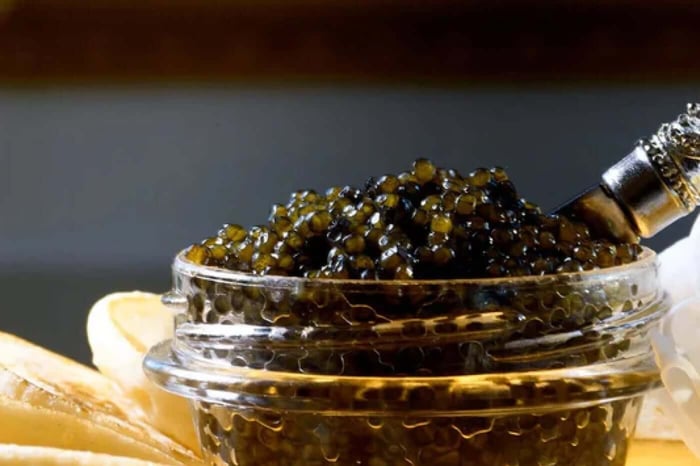
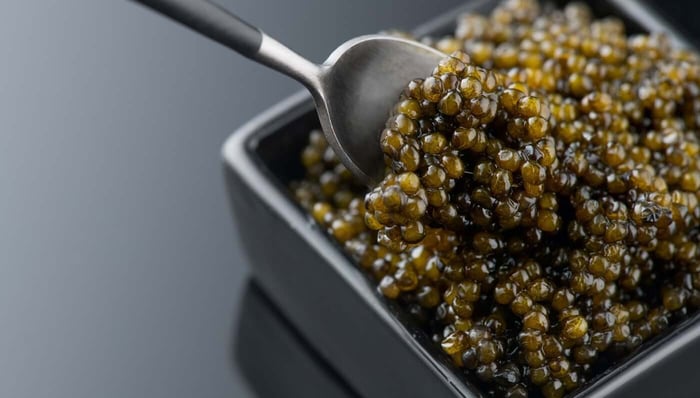
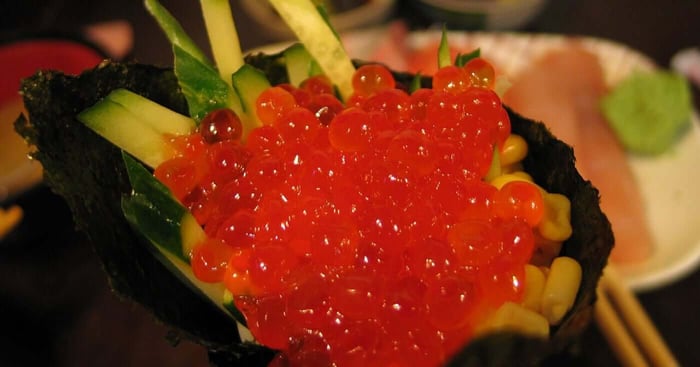
Different types of roe deliver distinct textural experiences, largely due to variations in egg size, membrane thickness, and internal composition. For example, sturgeon roe, commonly known as caviar, is prized for its delicate yet firm оболочка that produces a refined pop. In contrast, salmon roe (ikura) features larger eggs with a more pronounced burst, while flying fish roe (tobiko) offers a crisp, crunchy sensation. These differences are not just culinary curiosities—they reflect evolutionary adaptations in fish reproduction. For consumers and chefs alike, choosing the right type of roe depends on the desired mouthfeel, whether subtle elegance or bold texture is the goal.
Freshness and Handling: The Texture Killers
Even the highest-quality roe can lose its signature pop if not handled properly. Freshness is critical because the egg membrane begins to degrade soon after harvesting. Exposure to air, fluctuating temperatures, and rough handling can weaken the chorion, leading to mushy or broken eggs. Proper storage at consistent, low temperatures helps maintain structural integrity, while gentle processing methods preserve the natural firmness. Overpacking or compressing roe during transport can also compromise texture, underscoring the importance of careful logistics. In short, maintaining that perfect pop requires vigilance from harvest to plate.
Read: From River to Royal Table: The Journey of Sturgeon Roe
The Role of Curing and Salt
Curing is one of the most influential steps in shaping roe texture. Salt not only enhances flavor but also strengthens the egg membrane through osmotic processes. When done correctly, curing firms up the оболочка just enough to improve the popping sensation without making it tough. However, excessive salt can dehydrate the eggs, resulting in a dense, rubbery texture. The timing, concentration, and method of salting vary widely across traditions, from lightly cured tobiko to more heavily salted caviar. Mastering this balance is both an art and a science, with subtle adjustments making a significant difference in the final product.
Temperature and Serving Conditions
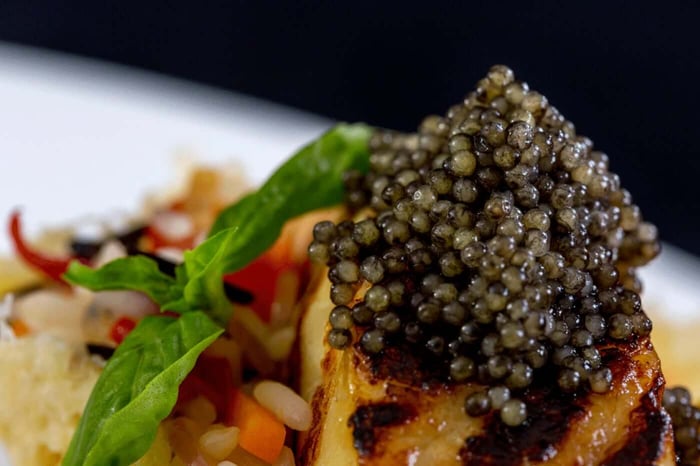
The way roe is served can dramatically impact its texture. Cold temperatures help maintain the firmness of the egg membrane, ensuring that each pearl retains its shape and resistance. If roe becomes too warm, the оболочка softens, diminishing the popping effect and altering the overall mouthfeel. This is why roe is typically served chilled, often on ice or with cold accompaniments. Additionally, the contrast between the cool roe and other elements on the plate can enhance the sensory experience, making the pop feel more pronounced. Temperature control, therefore, is not just about preservation—it’s a key component of presentation and enjoyment.
Pairings That Highlight the Pop
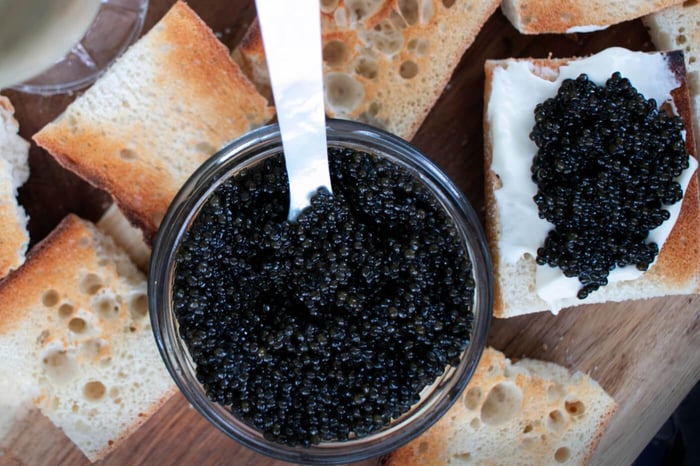
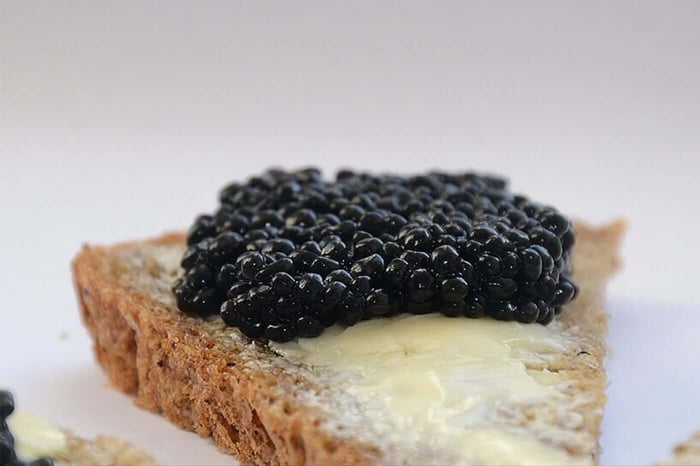
Texture does not exist in isolation; it interacts with other elements on the plate. The perfect pairing can amplify the popping sensation of roe, while poor combinations can mask it. Soft, creamy bases like butter, crème fraîche, or avocado provide a contrast that makes each burst more noticeable. Crisp textures, such as toast points or crackers, add another layer of complexity, creating a dynamic interplay between crunch and pop. Even beverages play a role—sparkling wines, for instance, mirror the effervescence of roe, enhancing its tactile appeal. Thoughtful pairings elevate roe from a simple ingredient to a multi-sensory experience.
Conclusion
The perfect pop of roe is a delicate balance of biology, technique, and presentation. From the microscopic structure of the egg membrane to the macroscopic choices of curing, storage, and pairing, every detail contributes to the final texture. Appreciating these factors not only deepens your understanding of roe but also enhances your enjoyment of it. Whether you’re savoring a spoonful of caviar or enjoying sushi topped with tobiko, the next time you experience that satisfying burst, you’ll know exactly what makes it so special.
About the Author
 Igor Fishbeyn - Caviar Purveyor
Igor Fishbeyn is purveyor of fine sturgeon caviar and creator of the Skazka Caviar brand. He is an expert with decades of experience specializing in importing, wholesaling, and retailing the finest quality caviar in the world. Igor frequently writes about caviar news and various topics about the caviar industry. He lives in San Francisco with his wife and daughter.
Shop Skazka Caviar
Browse Our Exclusive Caviar Collection
Shop Caviar By Type
Shop Black Caviar | Shop Red Caviar | Shop Caviar Accessories
Shop Beluga Caviar | Shop Kaluga Caviar | Shop White Sturgeon Caviar
Shop Osetra Caviar | Shop Salmon Roe | Shop Albino Sturgeon Caviar