The Role of Species in Roe Colour
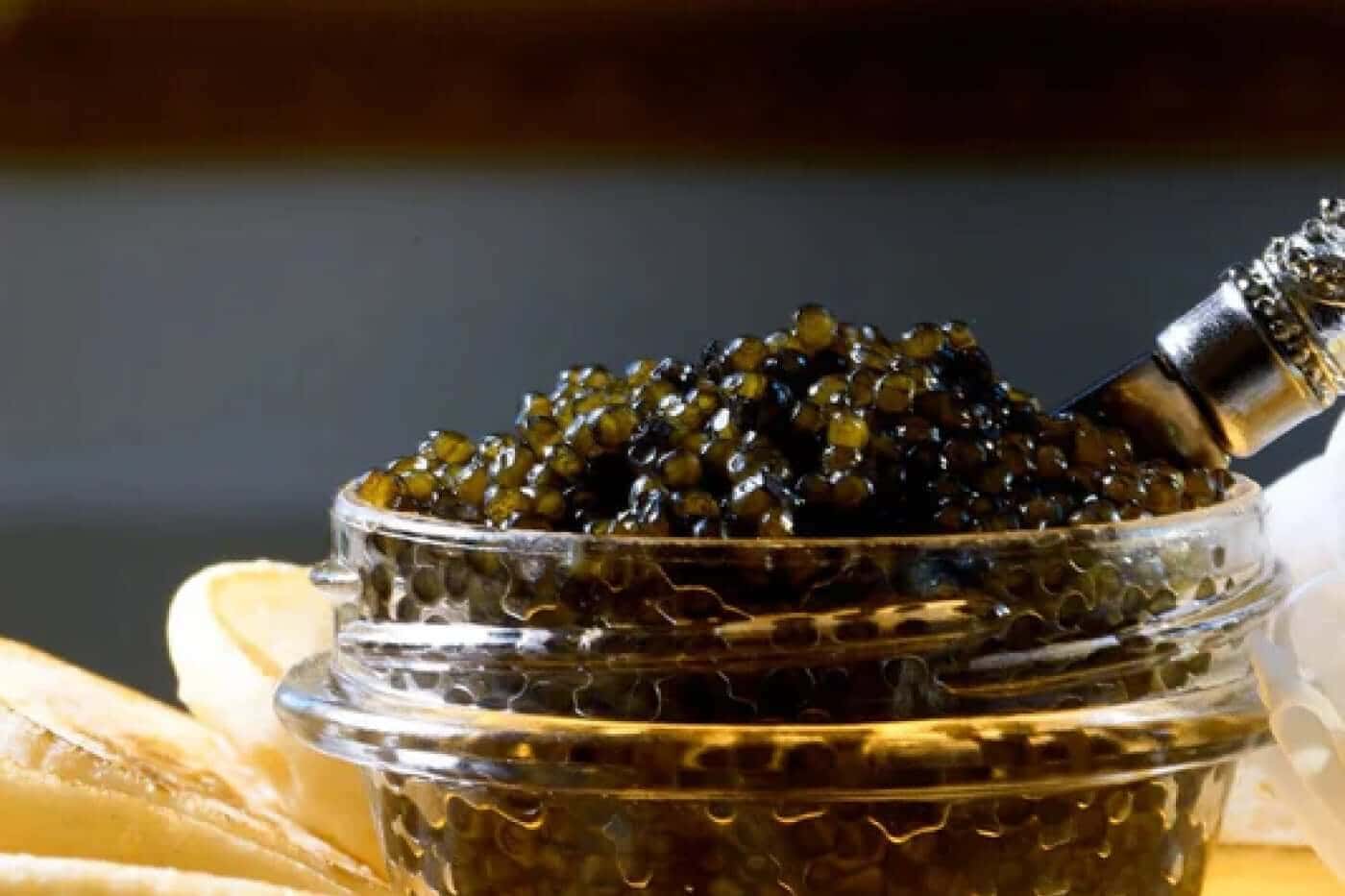
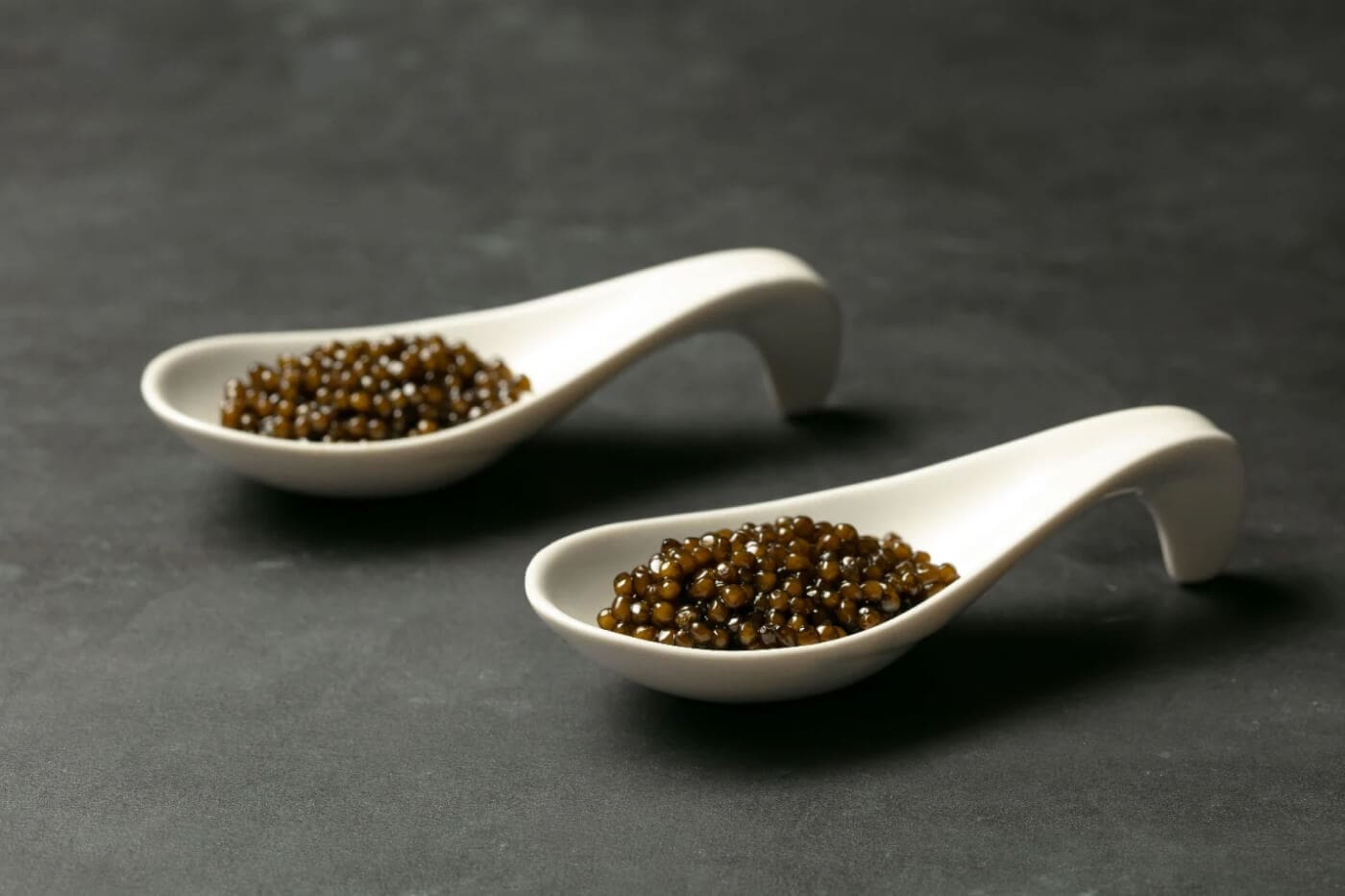
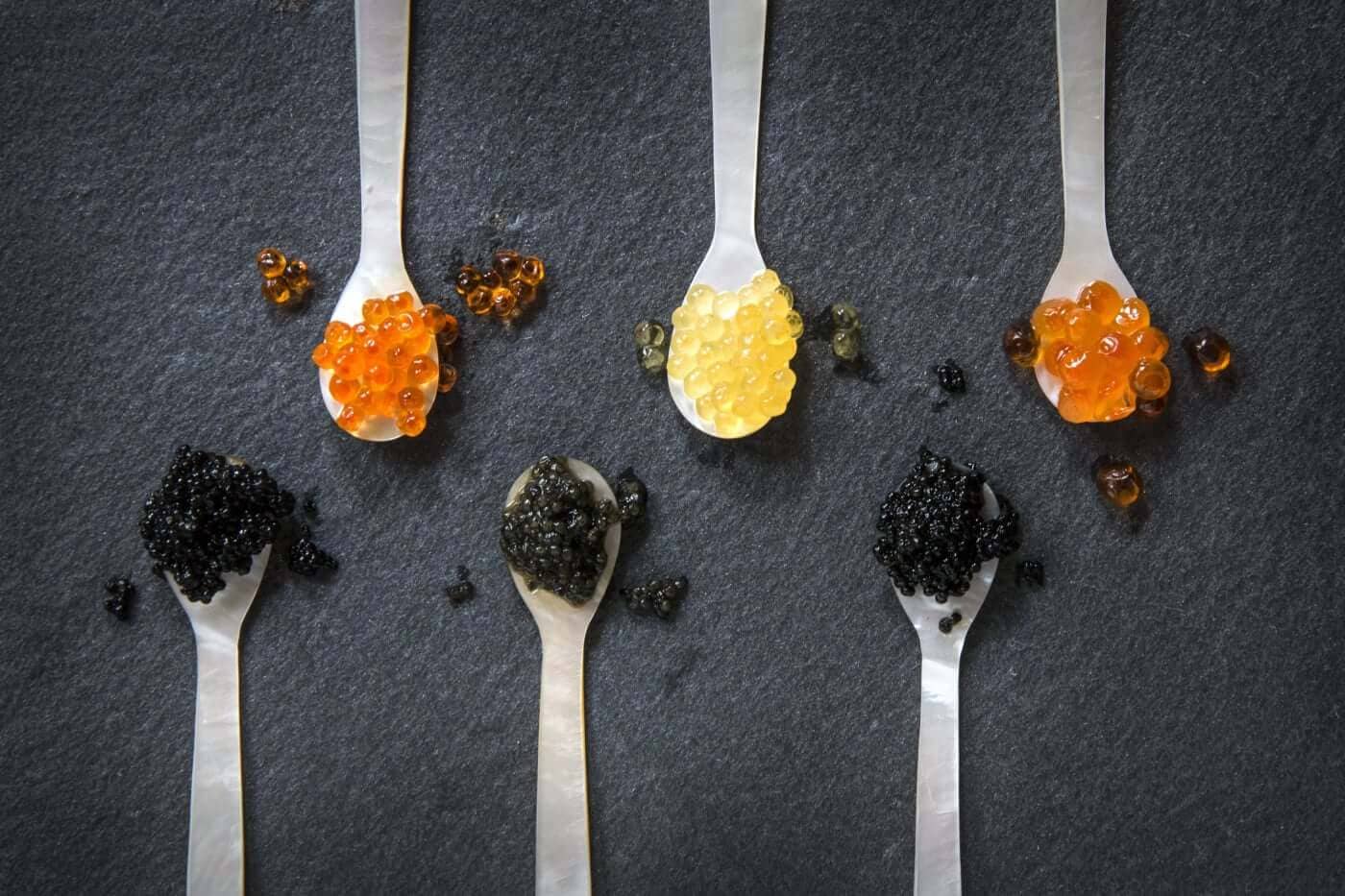
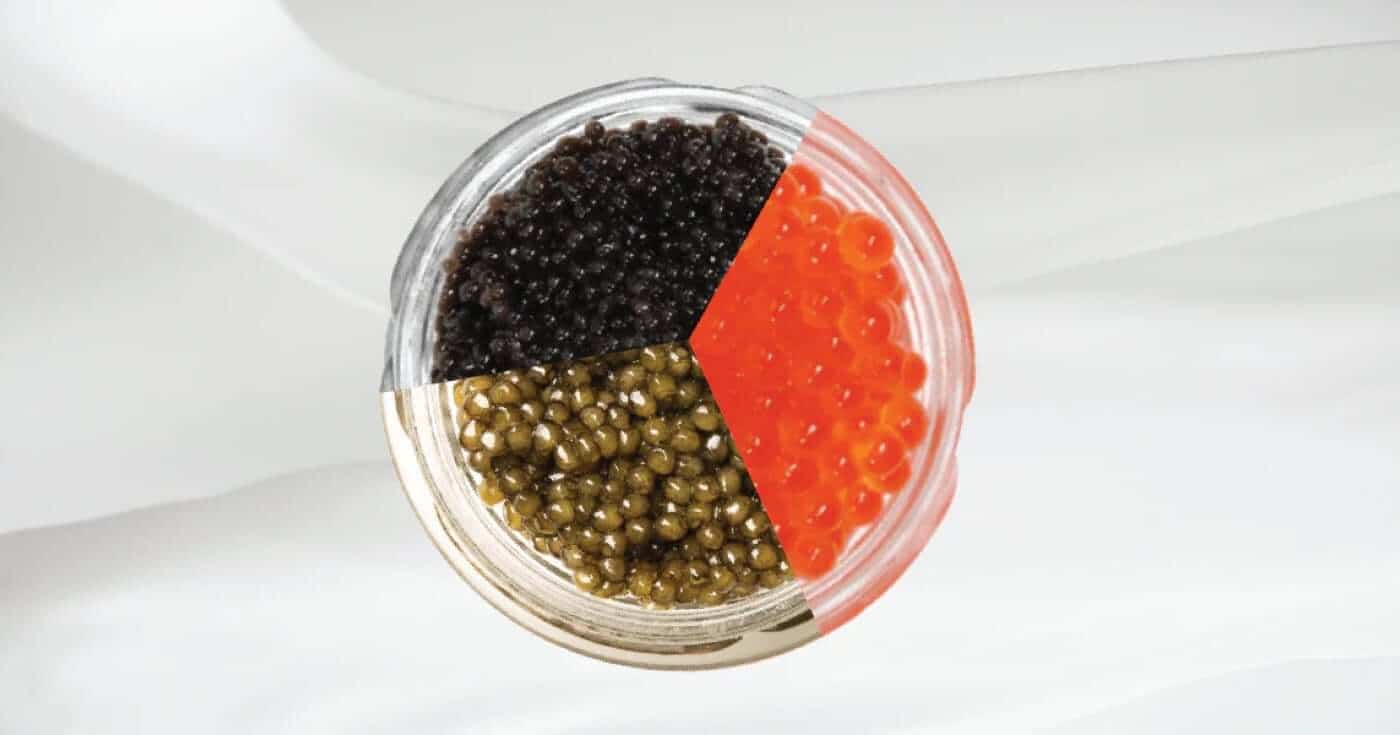
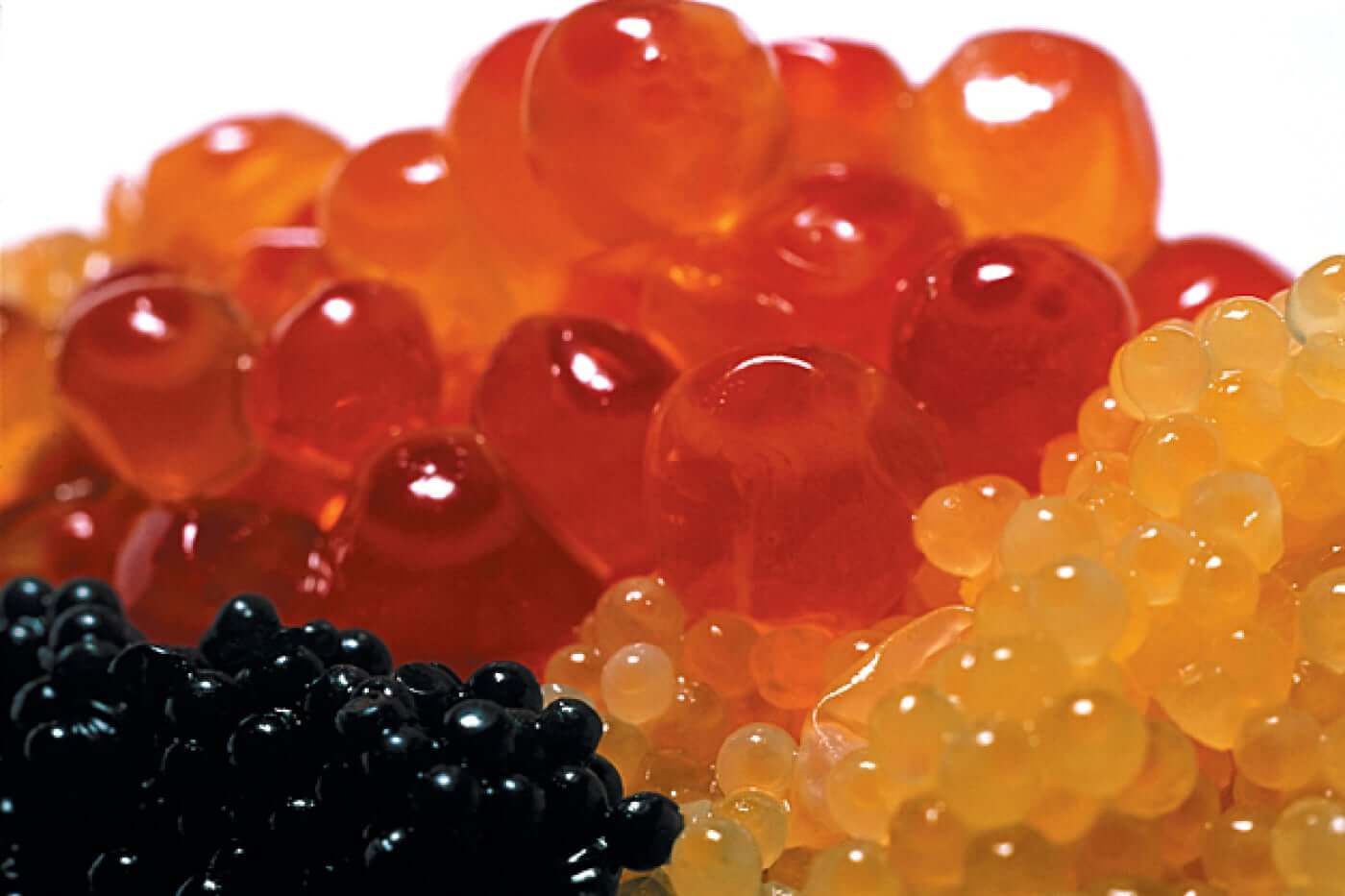
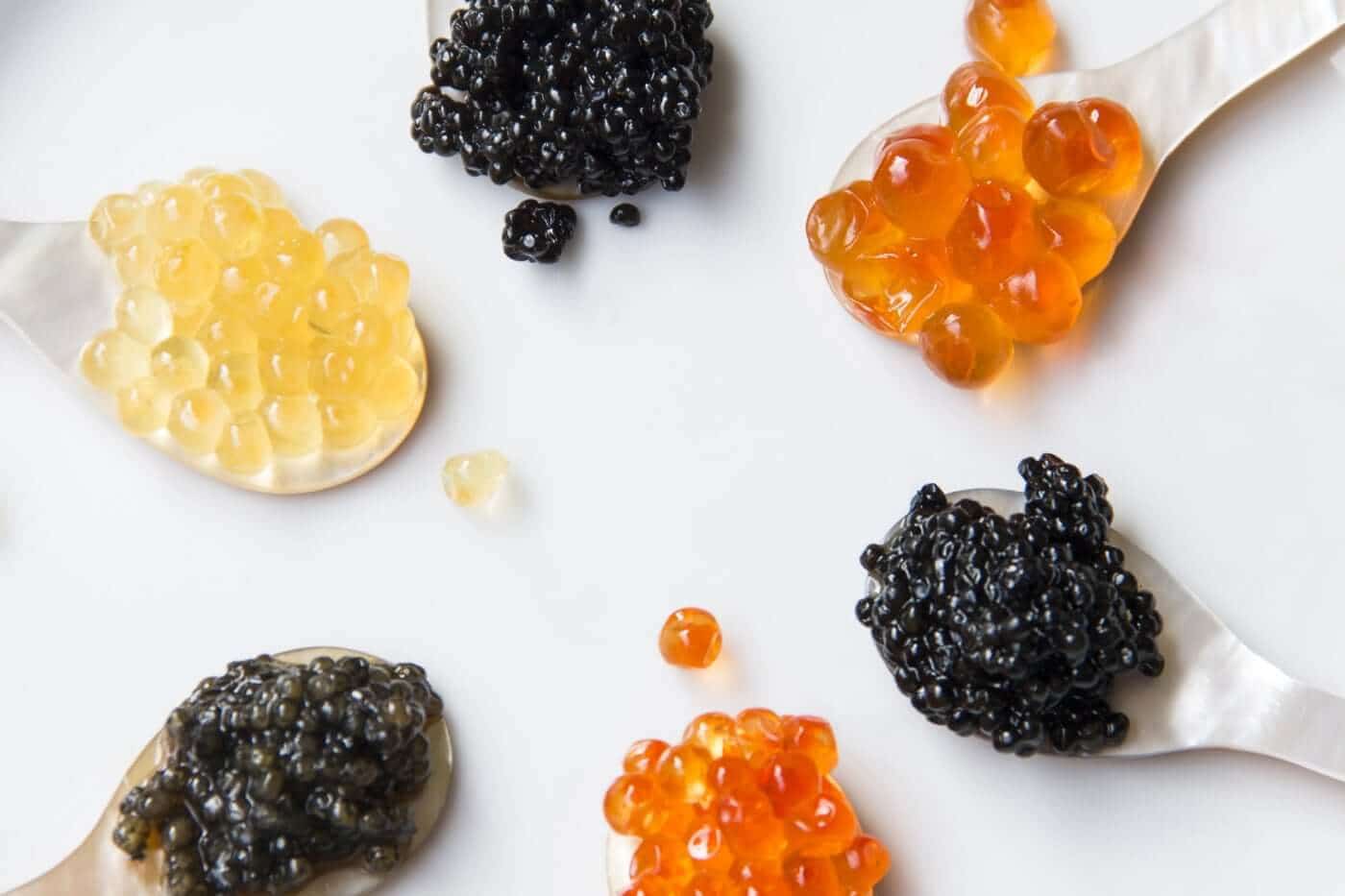
One of the most significant factors influencing roe colour is the species of fish from which it is harvested. Different species naturally produce eggs with distinct pigmentation due to genetic and biological differences. For instance, sturgeon roe, commonly known as caviar, ranges from jet black to light grey or even golden, depending on the species such as Beluga, Osetra, or Sevruga. Salmon roe, by contrast, is typically bright orange or reddish due to carotenoid pigments. These inherent differences are the first indicator of what kind of roe you are dealing with and often correlate with texture, flavour, and market value.
Read: The Texture Factor: What Makes Roe Pop Perfectly
Diet and Environmental Influence
The diet of the fish plays a crucial role in determining the colour intensity of roe. Fish that consume a diet rich in carotenoids—naturally occurring pigments found in algae and crustaceans—tend to produce roe with more vibrant orange or red tones. Environmental factors such as water quality, temperature, and habitat also contribute to pigmentation. Wild fish often have more varied and intense colouring compared to farmed fish due to their diverse and natural diet. As a result, roe from wild sources is often perceived as more desirable, not only for its colour but also for its richer flavour profile.
Maturity and Harvest Timing
The stage at which roe is harvested significantly affects its colour and overall quality. Roe that is harvested too early may appear pale or underdeveloped, while overripe roe can become dull or overly dark. Optimal harvest timing ensures that the eggs have reached full maturity, resulting in vibrant colour, firm texture, and balanced flavour. In premium roe production, timing is carefully controlled to achieve consistency and quality. Subtle differences in maturity can lead to noticeable variations in hue, making this an essential factor for producers aiming to meet high standards.
Read: Why Freshness Matters When Buying Premium Roe
Processing Techniques and Their Impact
After harvesting, roe undergoes various processing methods that can influence its final appearance. Salting, curing, and handling techniques all play a role in preserving or altering the natural colour. For example, lightly salted roe (often referred to as “malossol”) tends to retain its original hue more effectively, while heavier processing can darken or dull the eggs. Exposure to air and light during processing can also affect pigmentation. Skilled producers use precise methods to maintain the roe’s natural brilliance, ensuring that colour remains an indicator of freshness and quality rather than degradation.
Quality Indicators Reflected in Colour
Colour is often one of the first attributes evaluated when assessing the quality of premium roe. Bright, consistent, and glossy eggs typically indicate freshness and proper handling, while uneven or faded colouring may suggest inferior quality or age. In some cases, rare colours—such as golden caviar—are highly prized and command premium prices due to their scarcity. However, colour alone is not a definitive measure of quality; it must be considered alongside aroma, texture, and taste. Nonetheless, experienced buyers and chefs use colour as a quick visual cue to guide their selection.
Consumer Preferences and Market Trends
Consumer perception plays a significant role in how roe colour is valued in the marketplace. In many cultures, darker caviar is traditionally associated with luxury and sophistication, while bright orange roe is often linked to freshness and vibrancy. Marketing and branding also influence these perceptions, with producers highlighting specific colour traits to appeal to target audiences. In recent years, there has been growing interest in sustainably sourced roe, which can lead to a broader range of colours entering the market. As consumers become more educated, they are increasingly willing to explore and appreciate these natural variations.
Conclusion
Colour variations in premium roe are the result of a complex interplay of biological, environmental, and processing factors. From the species of fish and its diet to the timing of harvest and methods of preparation, each element contributes to the final appearance of this delicacy. Understanding these nuances not only enhances appreciation but also empowers consumers to make informed choices. While colour is an important indicator, it should always be considered alongside other qualities such as taste, texture, and origin. Ultimately, the diversity of roe colours reflects the richness of nature and the craftsmanship involved in bringing this luxurious ingredient to the table.
About the Author
 Igor Fishbeyn - Caviar Purveyor
Igor Fishbeyn is purveyor of fine sturgeon caviar and creator of the Skazka Caviar brand. He is an expert with decades of experience specializing in importing, wholesaling, and retailing the finest quality caviar in the world. Igor frequently writes about caviar news and various topics about the caviar industry. He lives in San Francisco with his wife and daughter.
Shop Skazka Caviar
Browse Our Exclusive Caviar Collection
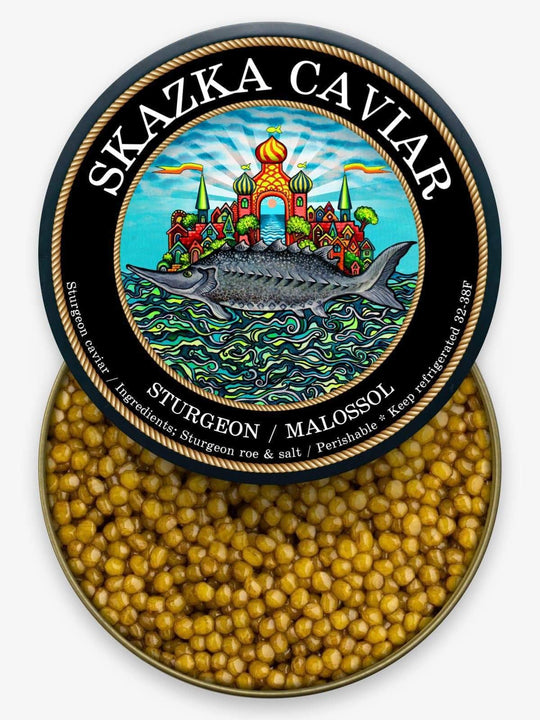
“Tsar Reserve” Golden Osetra Caviar
$395
Anyone with a taste for fine caviar will love “Royal Reserve” Golden Osetra Caviar. Its beautiful deep amber color is the first sign you’ll have that you’re in for something special, and once it hits your tongue you’ll know just… read more
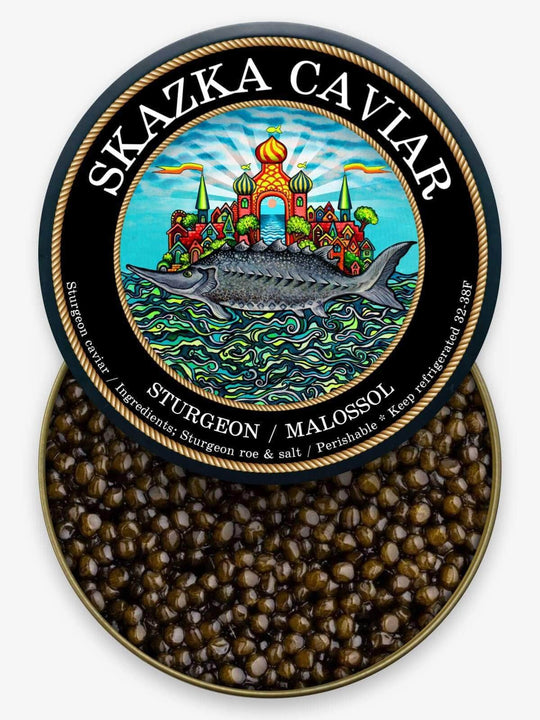
“Oprah’s Favorite” Russian Osetra Caviar
$295
$335
This medium-sized caviar is sure to be the star of any party or function you may throw. Its deep chocolate brown color is indicative of its rich and buttery flavor. Amber Osetra caviar has one of the cleanest tastes of any… read more
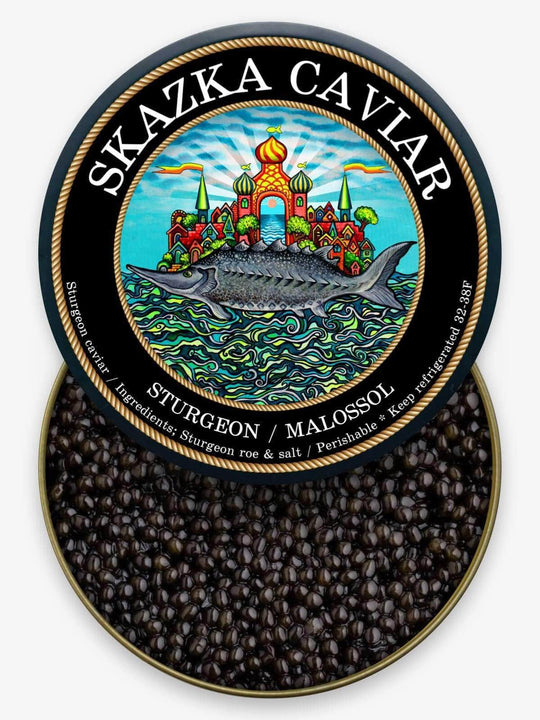
"Russian Czar" Beluga Sturgeon Caviar
$495
$599
With an incomparable richness, “Russian Czar” Beluga Sturgeon Caviar is a knockout when it comes to fine caviar. Traditionally harvested in Russia, this caviar holds a tradition of greatness throughout history. With buttery notes that linger on the taste buds,… read more
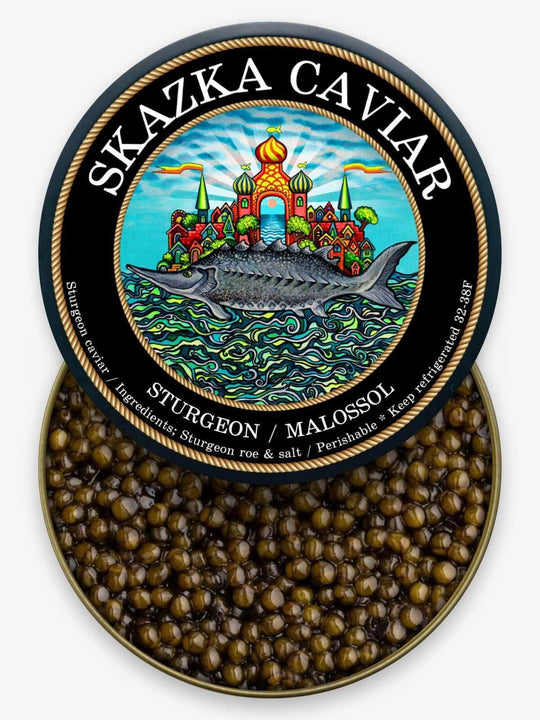
“River Beluga” Kaluga Sturgeon Caviar
$295
$395
This large, robust caviar is a favorite of connoisseurs. Its firmness provides a satisfying texture that will keep you coming back for seconds and even thirds. Its luxurious chocolate brown color is perfectly evocative of its rich taste. Hints of… read more
Shop Caviar By Type
Shop Black Caviar | Shop Red Caviar | Shop Caviar Accessories
Shop Beluga Caviar | Shop Kaluga Caviar | Shop White Sturgeon Caviar
Shop Osetra Caviar | Shop Salmon Roe | Shop Albino Sturgeon Caviar