The Essential Role of Salt in Roe Processing
Salt has been used for centuries in roe preservation because it extends shelf life by reducing moisture and limiting microbial growth. However, its role goes beyond food safety. During the curing process, salt interacts with the roe’s natural proteins and oils, transforming both flavor and texture. A carefully measured amount of salt enhances the roe’s inherent characteristics rather than masking them. When producers achieve the correct balance, the natural marine sweetness and delicate fish flavors become more pronounced. Excessive salting, on the other hand, can overpower subtle flavor notes and leave a harsh aftertaste. As a result, the salting stage is often considered one of the most important steps in producing high-quality roe.

Read: The Role of Water Temperature in Sturgeon Farming
How Low Salt Levels Enhance Natural Flavors
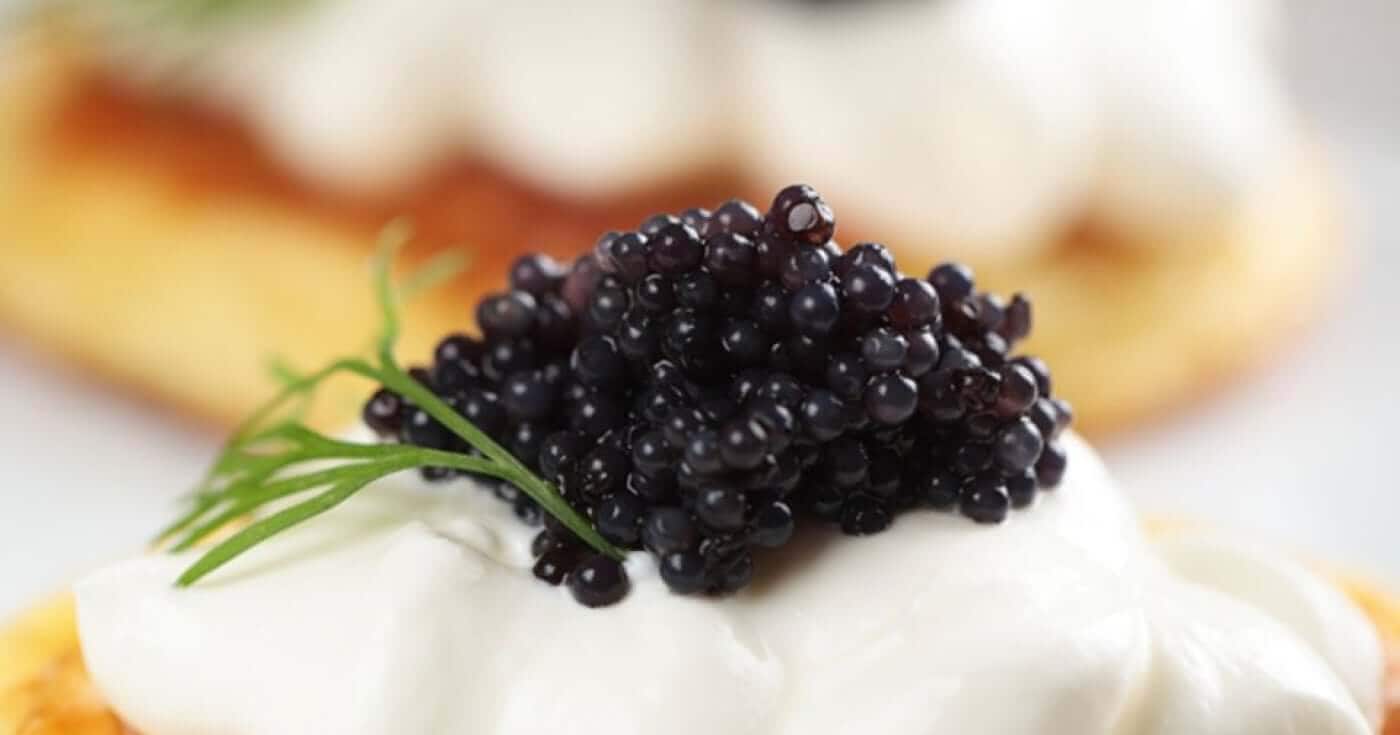
Low-salt roe is increasingly popular among consumers seeking a fresher and more authentic taste experience. With reduced salt content, the roe retains more of its natural sweetness, buttery richness, and oceanic character. The subtle nuances unique to each fish species become easier to detect, allowing connoisseurs to appreciate the complexity of the product. Low-salt roe often has a softer texture and a cleaner finish on the palate, making it ideal for premium dining experiences where delicate flavors are highly valued. However, achieving excellent quality with lower salt levels requires exceptional freshness and precise handling because there is less preservation support from the curing process.
The Impact of High Salt Levels on Flavor Intensity
Higher salt concentrations create a dramatically different flavor profile. Salt intensifies savory characteristics, producing a stronger umami taste that many consumers find satisfying and robust. In certain traditional roe products, elevated salt levels are intentionally used to create bold flavors that pair well with breads, crackers, pasta, or alcoholic beverages. While increased salinity can deepen complexity and enhance preservation, it can also reduce the perception of sweetness and subtle marine notes. If the salt level becomes excessive, the roe may taste overwhelmingly salty, making it difficult to distinguish the unique qualities of the fish from which it originated. Therefore, producers must carefully determine how much intensity is desirable for their target market.
Read: Understanding Colour Variations in Premium Roe
Salt and Texture: A Critical Relationship
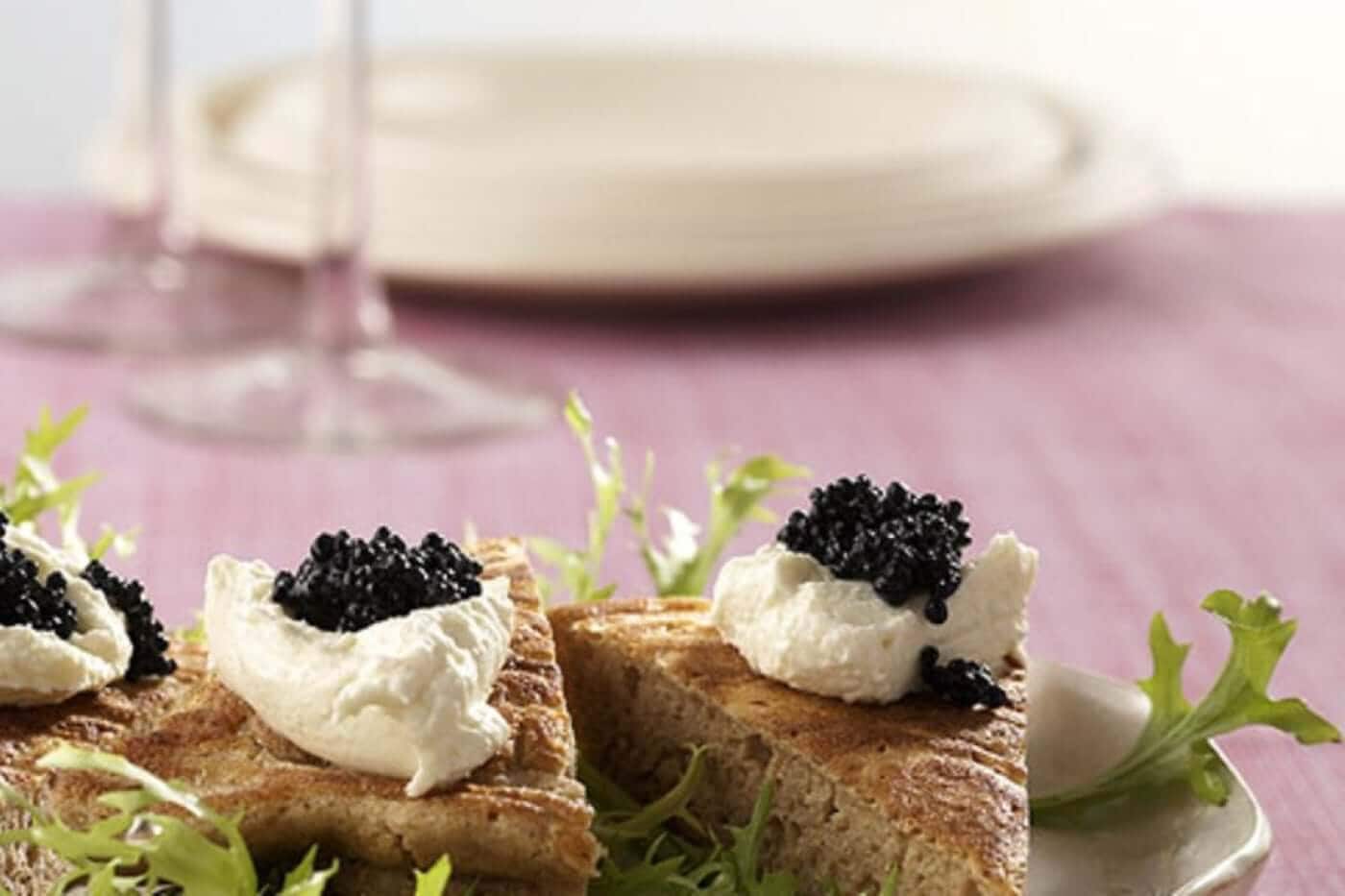
The influence of salt extends beyond taste and significantly affects the texture of roe. During curing, salt draws moisture from the eggs and alters protein structures, creating firmer and more resilient roe. Lower salt levels generally result in softer eggs that burst easily in the mouth, releasing delicate flavors. Moderate salt concentrations often produce the ideal balance between firmness and tenderness, allowing each egg to maintain its shape while delivering a satisfying pop. High salt levels can create a denser texture and a firmer bite, which some consumers prefer in traditional cured roe products. Because texture strongly influences overall eating enjoyment, salt management is a crucial aspect of quality control in roe production.
Seasonal Temperature Management in Aquaculture Systems
Seasonal variations present major challenges for sturgeon farmers, especially in outdoor ponds and open-water systems where environmental conditions change naturally throughout the year. During summer, high temperatures may require aeration systems, water circulation equipment, or shaded pond areas to prevent overheating and oxygen depletion. In colder months, some farms use heated water systems or indoor recirculating tanks to maintain stable conditions and continue production efficiently. Advanced aquaculture operations increasingly rely on automated temperature sensors and climate-control technologies to optimize fish welfare year-round. Effective seasonal management not only protects fish health but also allows producers to maintain consistent growth rates and predictable harvest schedules despite changing weather conditions.
Balancing Salt with Roe Variety and Origin
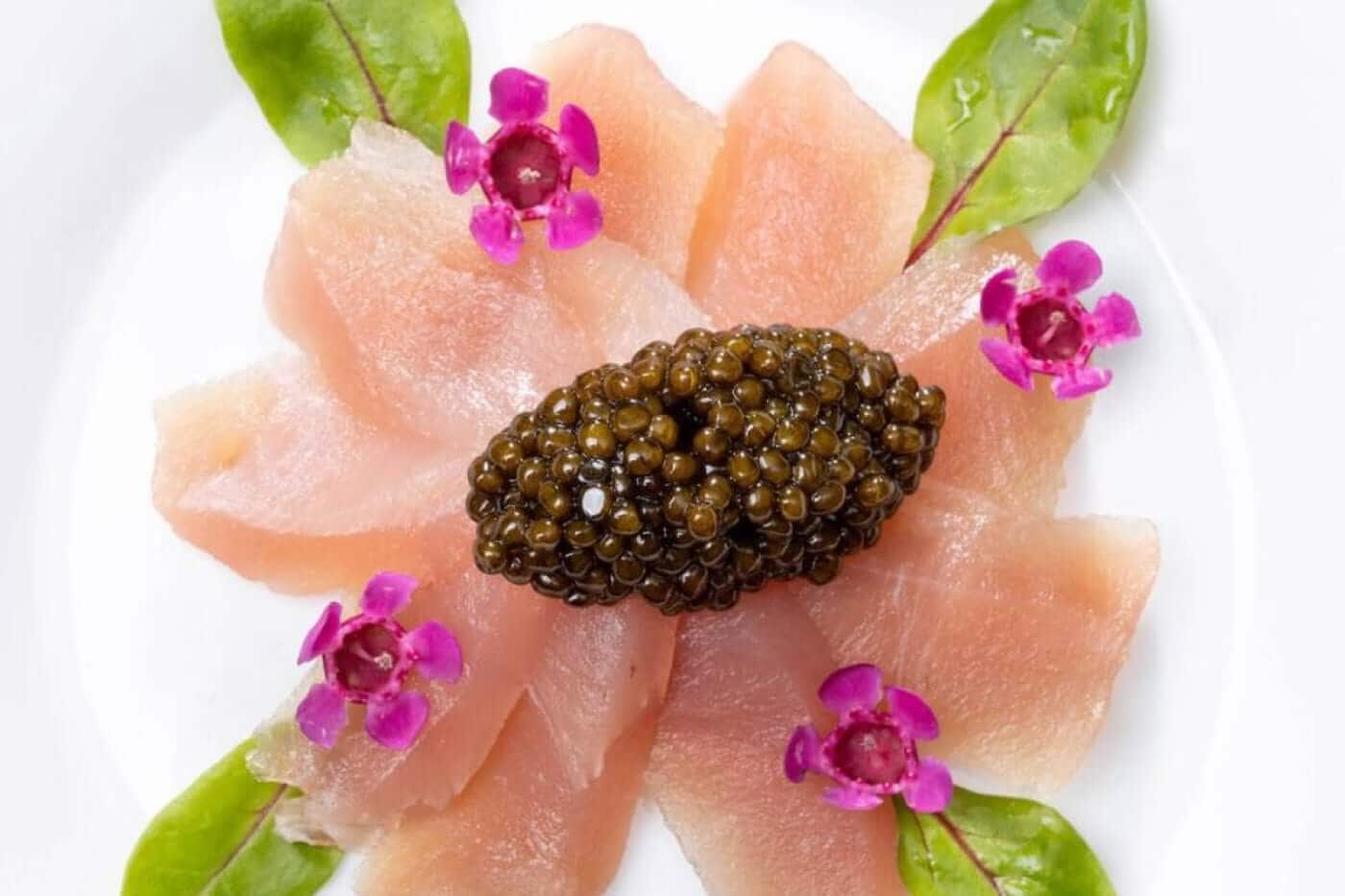
Different species of roe respond uniquely to salting techniques, making customization essential. Sturgeon caviar, salmon roe, trout roe, and cod roe each possess distinct fat content, egg size, and natural flavor characteristics that influence how salt interacts with the product. For example, premium sturgeon caviar often benefits from lower salt levels that preserve its delicate nutty and buttery notes. Salmon roe may tolerate slightly higher salinity due to its naturally bold flavor and larger egg size. Geographic origin also plays a role, as environmental conditions affect the composition of the eggs. Skilled producers adjust salt levels according to species and origin to ensure that the final product showcases its best qualities without overwhelming the natural taste profile.
Conclusion
Salt levels play a defining role in shaping the final taste, texture, and overall quality of roe. From enhancing natural sweetness and delicate marine flavors to intensifying umami richness and improving preservation, salt serves as both a functional and sensory ingredient. The ideal salt concentration depends on the roe variety, production method, and consumer preferences. Whether lightly cured to showcase subtle nuances or more heavily salted for bold flavor and longevity, the careful balance of salt remains at the heart of exceptional roe production. Understanding this relationship allows consumers to make informed choices and appreciate the expertise required to create premium roe products that deliver a memorable culinary experience.
About the Author
 Igor Fishbeyn - Caviar Purveyor
Igor Fishbeyn is purveyor of fine sturgeon caviar and creator of the Skazka Caviar brand. He is an expert with decades of experience specializing in importing, wholesaling, and retailing the finest quality caviar in the world. Igor frequently writes about caviar news and various topics about the caviar industry. He lives in San Francisco with his wife and daughter.
Shop Skazka Caviar
Browse Our Exclusive Caviar Collection
“Tsar Reserve” Golden Osetra Caviar
$395
Anyone with a taste for fine caviar will love “Royal Reserve” Golden Osetra Caviar. Its beautiful deep amber color is the first sign you’ll have that you’re in for something special, and once it hits your tongue you’ll know just… read more
“Oprah’s Favorite” Russian Osetra Caviar
$295
$335
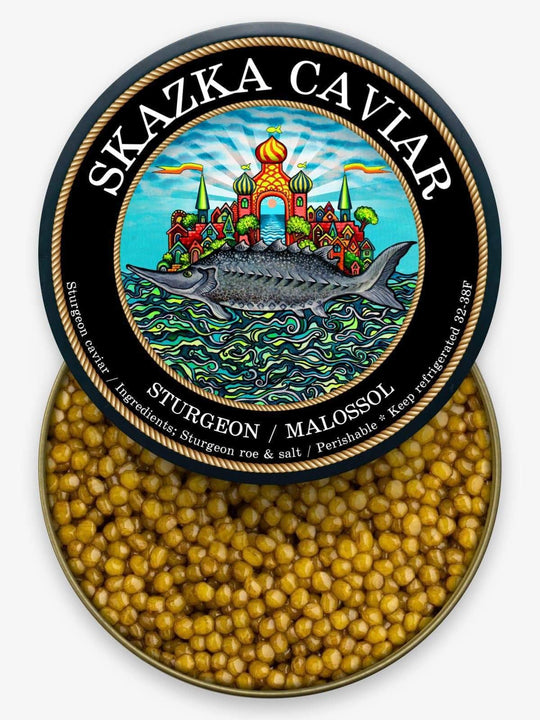
This medium-sized caviar is sure to be the star of any party or function you may throw. Its deep chocolate brown color is indicative of its rich and buttery flavor. Amber Osetra caviar has one of the cleanest tastes of any… read more
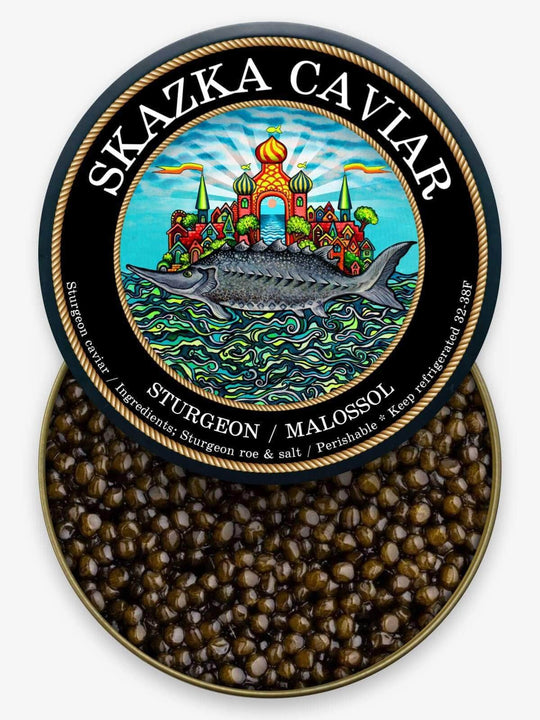
"Russian Czar" Beluga Sturgeon Caviar
$495
$599
With an incomparable richness, “Russian Czar” Beluga Sturgeon Caviar is a knockout when it comes to fine caviar. Traditionally harvested in Russia, this caviar holds a tradition of greatness throughout history. With buttery notes that linger on the taste buds,… read more
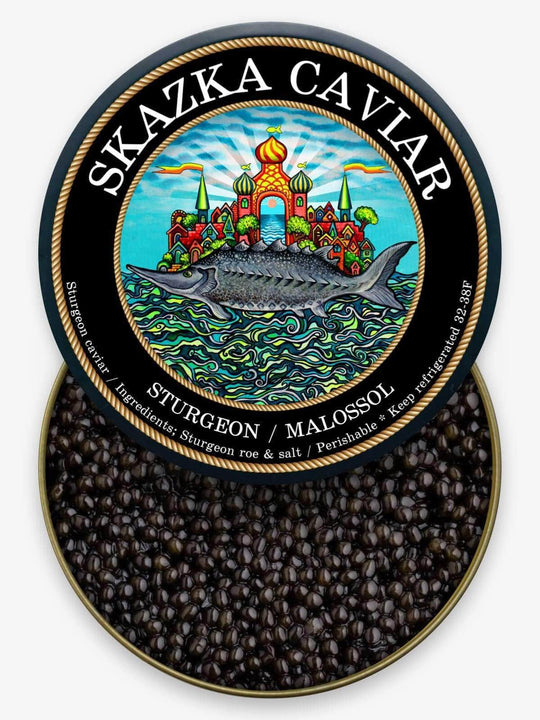
“River Beluga” Kaluga Sturgeon Caviar
$295
$395
This large, robust caviar is a favorite of connoisseurs. Its firmness provides a satisfying texture that will keep you coming back for seconds and even thirds. Its luxurious chocolate brown color is perfectly evocative of its rich taste. Hints of… read more
Shop Caviar By Type
Shop Black Caviar | Shop Red Caviar | Shop Caviar Accessories
Shop Beluga Caviar | Shop Kaluga Caviar | Shop White Sturgeon Caviar
Shop Osetra Caviar | Shop Salmon Roe | Shop Albino Sturgeon Caviar