What Is Fresh Roe?
Fresh roe refers to fish eggs that are harvested and consumed with minimal processing, preserving their natural taste and texture. Typically kept chilled and served shortly after collection, fresh roe offers a delicate, clean flavor that reflects the characteristics of the fish species from which it comes. The eggs are usually firm, glossy, and burst gently when eaten, releasing a mild oceanic taste. Fresh roe is commonly featured in sushi, sashimi, seafood platters, and other dishes where its natural qualities can shine. Because it undergoes little preservation, fresh roe has a relatively short shelf life and requires careful handling to maintain quality and safety.

Read: How Salt Levels Shape the Final Taste of Roe
What Is Aged Roe?
Aged roe is roe that has been cured, salted, fermented, or otherwise preserved over a period of time to develop more complex flavors and textures. The aging process allows moisture levels to decrease while enhancing the concentration of natural compounds within the eggs. Depending on the method used, aged roe can range from mildly cured to intensely flavored products with deep umami notes. Examples include bottarga, karasumi, and certain types of premium caviar that mature under controlled conditions. The aging process transforms roe into a more robust ingredient that can be enjoyed on its own or incorporated into sophisticated culinary creations.
Flavor Differences Between Fresh and Aged Roe
The most noticeable difference between fresh and aged roe is the flavor profile. Fresh roe delivers a light, briny taste with subtle sweetness and a clean finish that highlights the freshness of the sea. In contrast, aged roe develops richer, more concentrated flavors due to curing and maturation. The aging process often introduces savory, nutty, buttery, and umami-rich characteristics that create greater depth and complexity. While fresh roe appeals to those who appreciate delicate seafood flavors, aged roe is favored by individuals seeking bold and intense taste experiences that linger on the palate.
Read: The Role of Water Temperature in Sturgeon Farming
Texture and Appearance Comparison
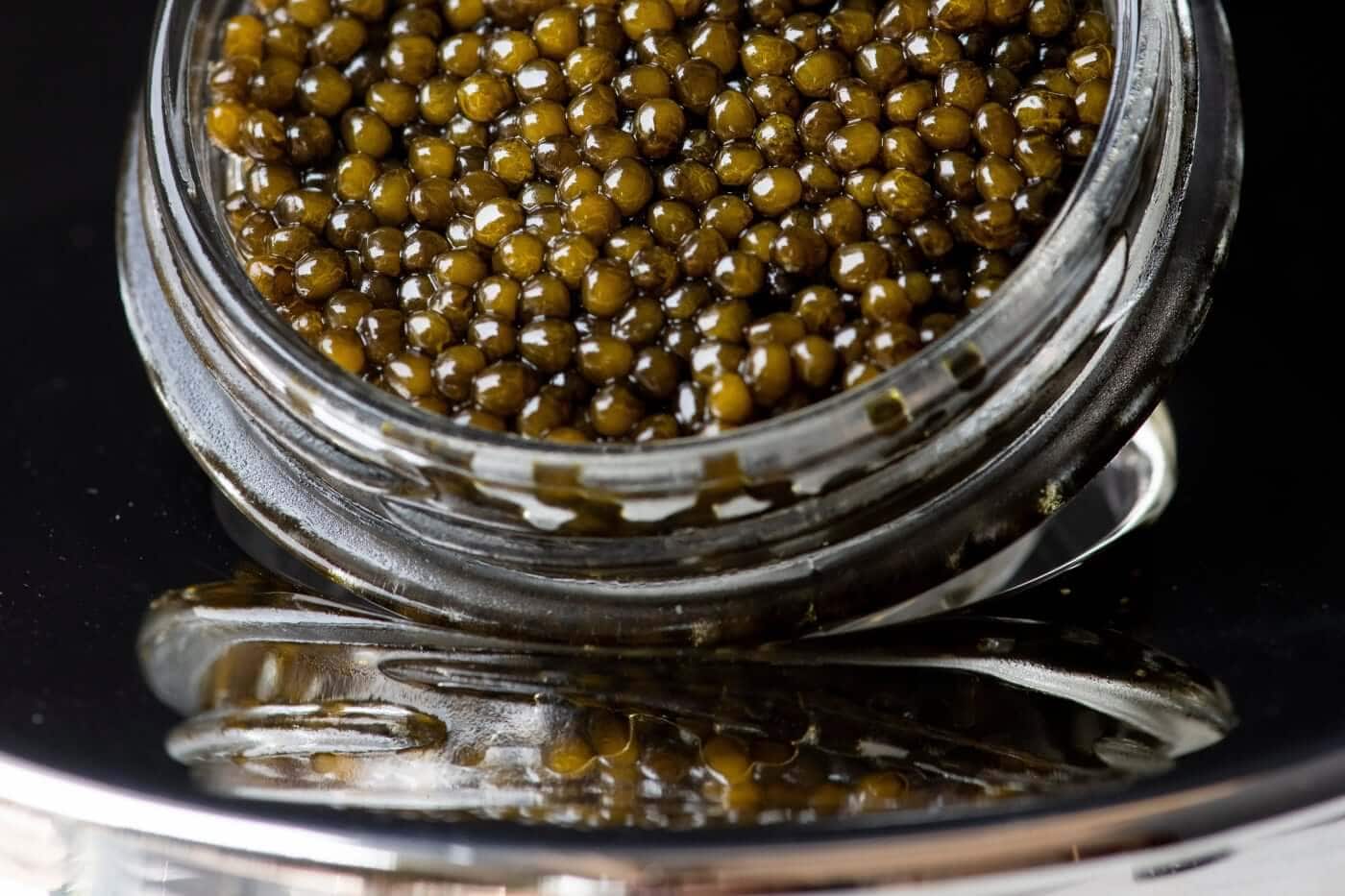
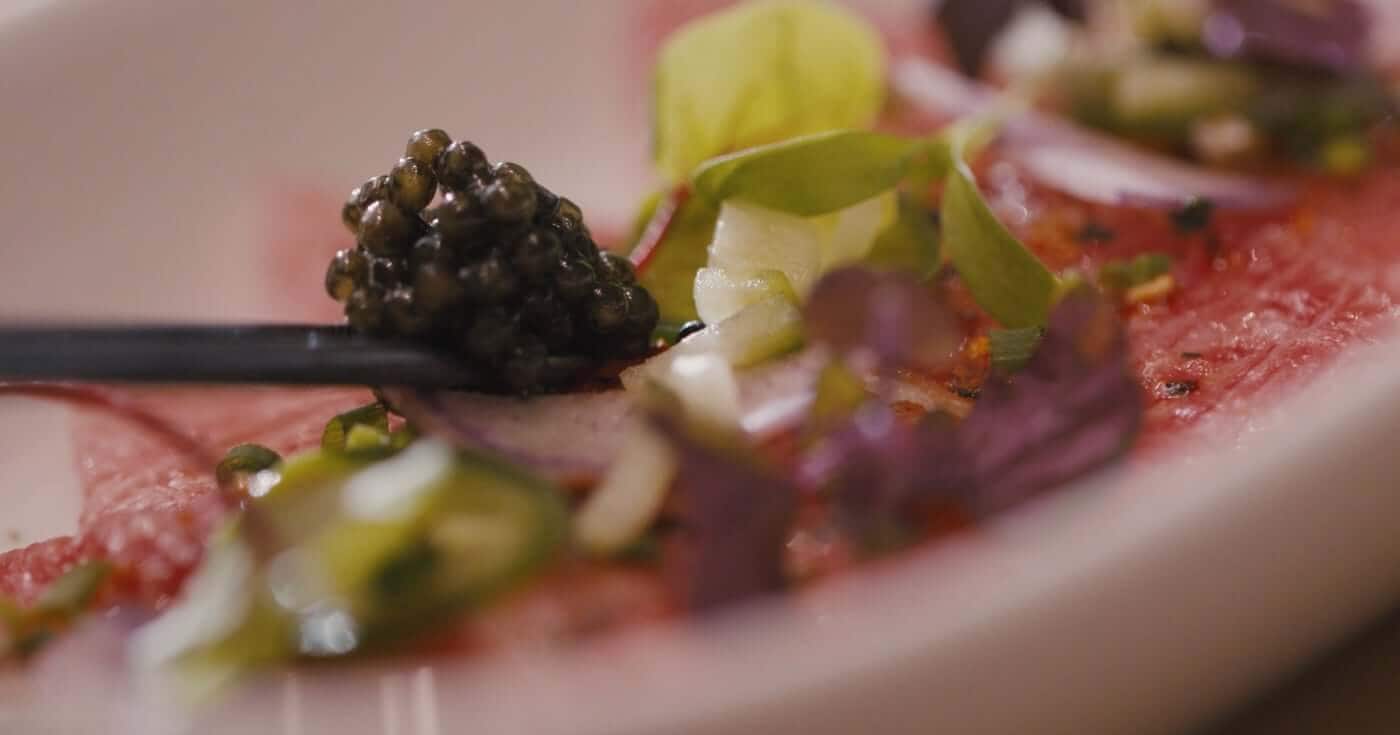
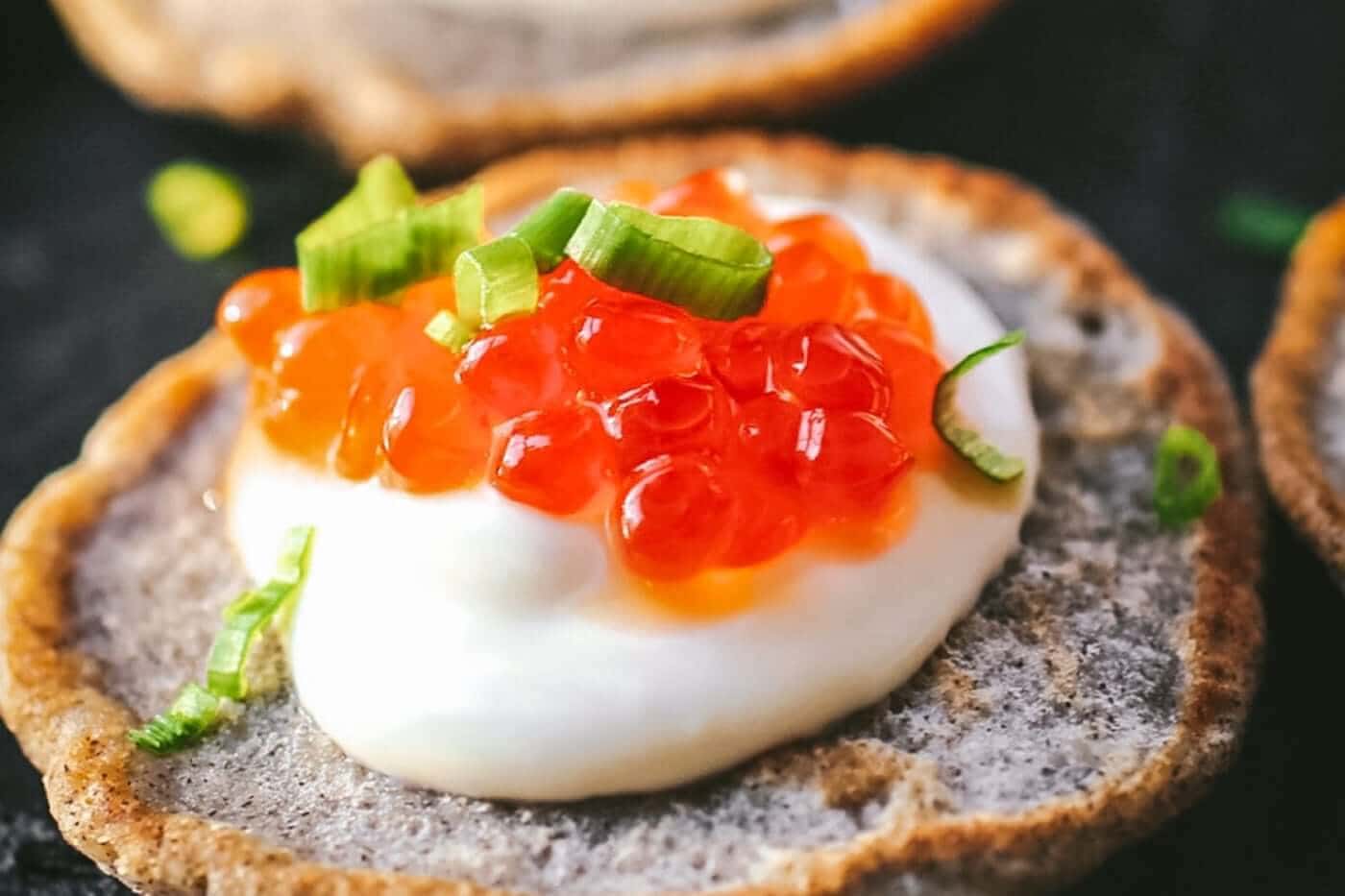
Texture plays a crucial role in how roe is experienced. Fresh roe generally has a soft yet firm structure, with individual eggs maintaining their shape and popping pleasantly when bitten. Its appearance is often vibrant and glossy, reflecting its freshness and high moisture content. Aged roe, however, can vary significantly depending on the preservation method. Some aged roe remains bead-like but becomes firmer and denser, while other forms may develop a sliceable or grated consistency. The color of aged roe may also deepen over time, creating a more pronounced visual appeal that reflects the concentration of flavors within the product.
Nutritional and Preservation Differences
Both fresh and aged roe provide valuable nutrients, including protein, omega-3 fatty acids, vitamins, and essential minerals. However, the preservation methods used for aged roe can affect certain nutritional aspects. Salting and curing may increase sodium content while helping extend shelf life and maintain product stability. Fresh roe retains its original moisture and nutrient composition but is more susceptible to spoilage and bacterial growth if not stored properly. As a result, consumers often choose between fresh and aged roe based on factors such as convenience, storage requirements, dietary preferences, and intended use in recipes.
Culinary Uses and Pairing Options
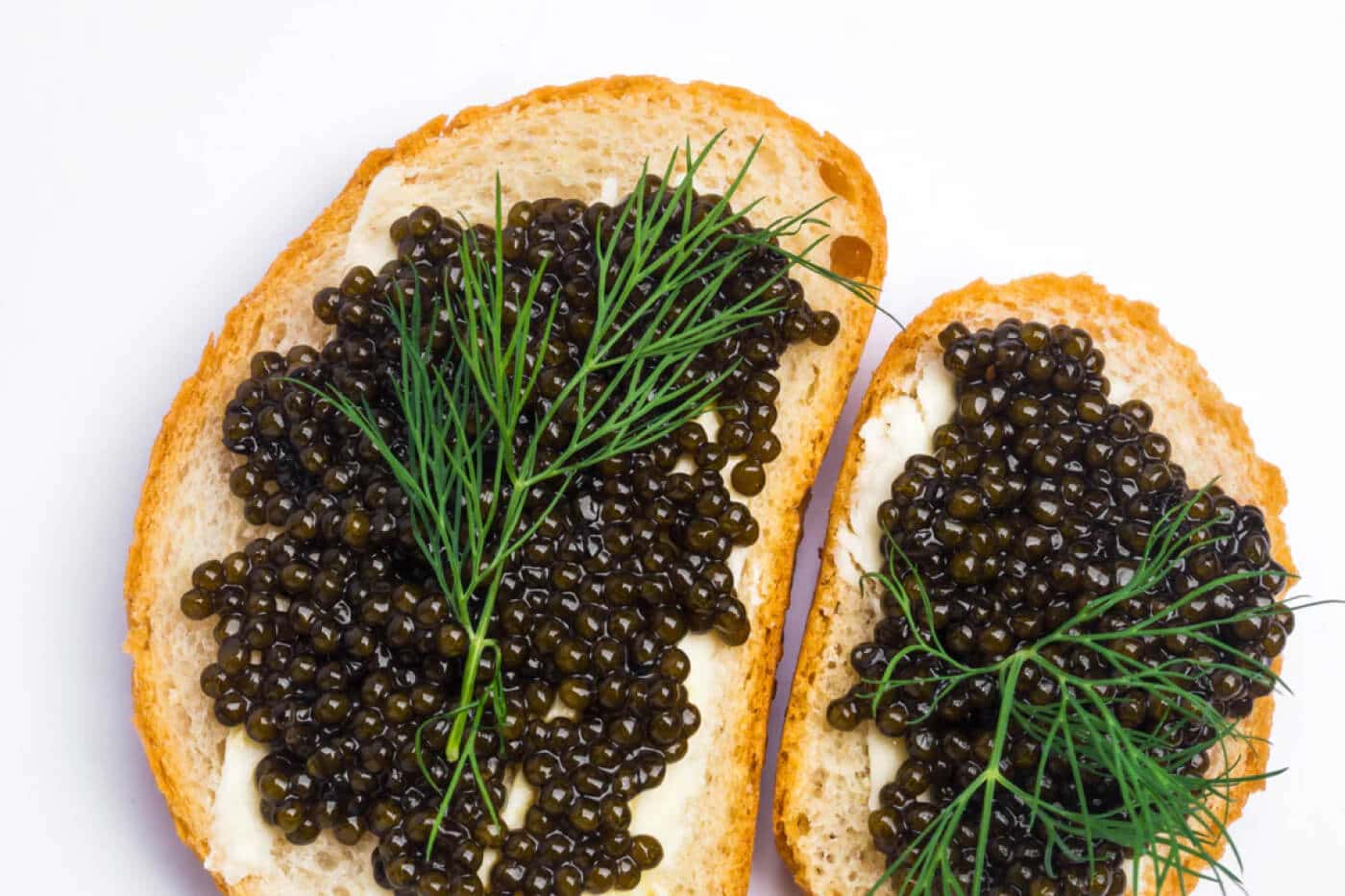
Fresh and aged roe each have unique culinary applications that showcase their distinct qualities. Fresh roe is frequently used as a topping for sushi, rice bowls, seafood appetizers, and elegant garnishes where its delicate flavor can complement other ingredients without overwhelming them. Aged roe, with its concentrated taste, is often grated over pasta, incorporated into sauces, served with crusty bread, or paired with fine wines and cheeses. Chefs appreciate aged roe for its ability to add depth and complexity to dishes, while fresh roe is prized for its freshness, texture, and visual appeal.

Conclusion
The difference between fresh and aged roe extends far beyond simple preservation methods. Fresh roe offers a delicate, clean, and naturally briny flavor with a soft texture that highlights the essence of the sea. Aged roe, on the other hand, undergoes a transformation that results in deeper flavors, firmer textures, and greater culinary versatility. Both varieties have earned their place in global cuisine, appealing to different tastes and dining experiences. Whether you prefer the subtle elegance of fresh roe or the rich complexity of aged roe, understanding their unique characteristics can help you appreciate the craftsmanship and tradition behind these remarkable seafood delicacies.
About the Author
 Igor Fishbeyn - Caviar Purveyor
Igor Fishbeyn is purveyor of fine sturgeon caviar and creator of the Skazka Caviar brand. He is an expert with decades of experience specializing in importing, wholesaling, and retailing the finest quality caviar in the world. Igor frequently writes about caviar news and various topics about the caviar industry. He lives in San Francisco with his wife and daughter.
Shop Skazka Caviar
Browse Our Exclusive Caviar Collection
“Tsar Reserve” Golden Osetra Caviar
$395
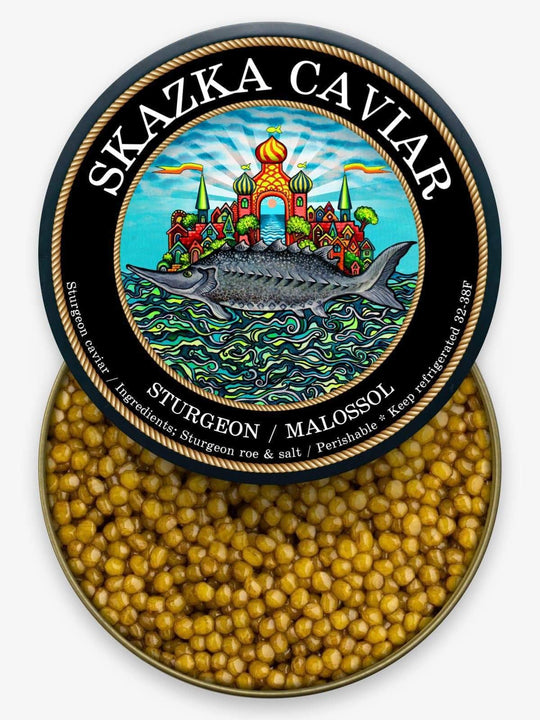
Anyone with a taste for fine caviar will love “Royal Reserve” Golden Osetra Caviar. Its beautiful deep amber color is the first sign you’ll have that you’re in for something special, and once it hits your tongue you’ll know just… read more
“Oprah’s Favorite” Russian Osetra Caviar
$295
$335
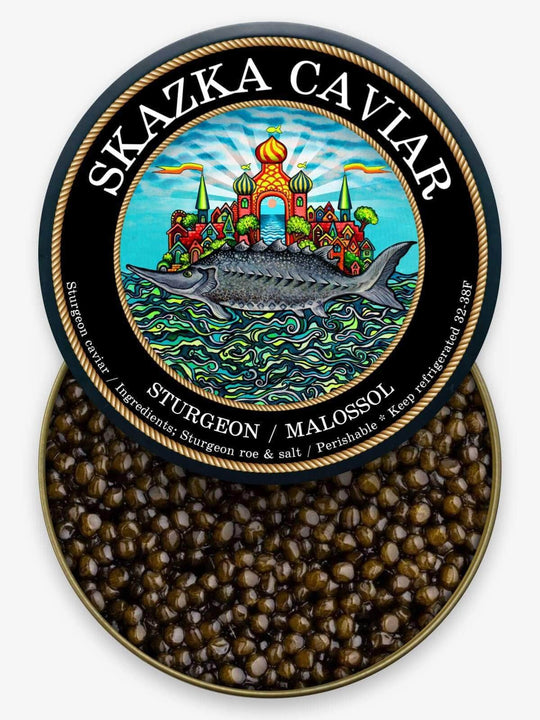
This medium-sized caviar is sure to be the star of any party or function you may throw. Its deep chocolate brown color is indicative of its rich and buttery flavor. Amber Osetra caviar has one of the cleanest tastes of any… read more
"Russian Czar" Beluga Sturgeon Caviar
$495
$599
With an incomparable richness, “Russian Czar” Beluga Sturgeon Caviar is a knockout when it comes to fine caviar. Traditionally harvested in Russia, this caviar holds a tradition of greatness throughout history. With buttery notes that linger on the taste buds,… read more
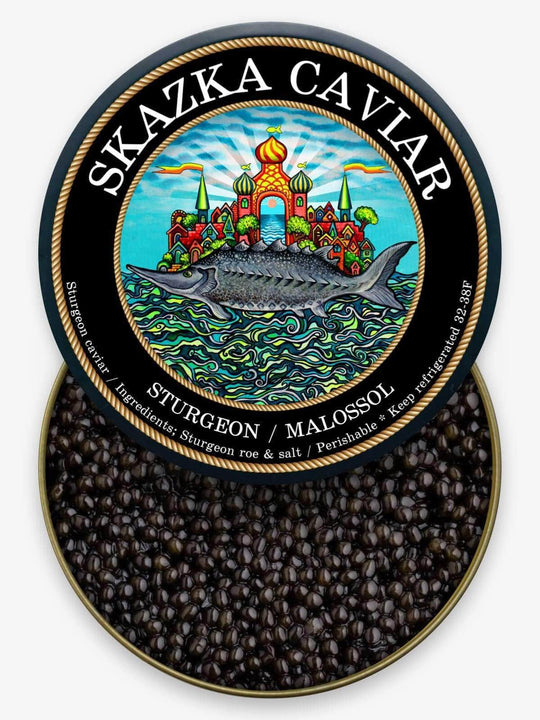
“River Beluga” Kaluga Sturgeon Caviar
$295
$395
This large, robust caviar is a favorite of connoisseurs. Its firmness provides a satisfying texture that will keep you coming back for seconds and even thirds. Its luxurious chocolate brown color is perfectly evocative of its rich taste. Hints of… read more
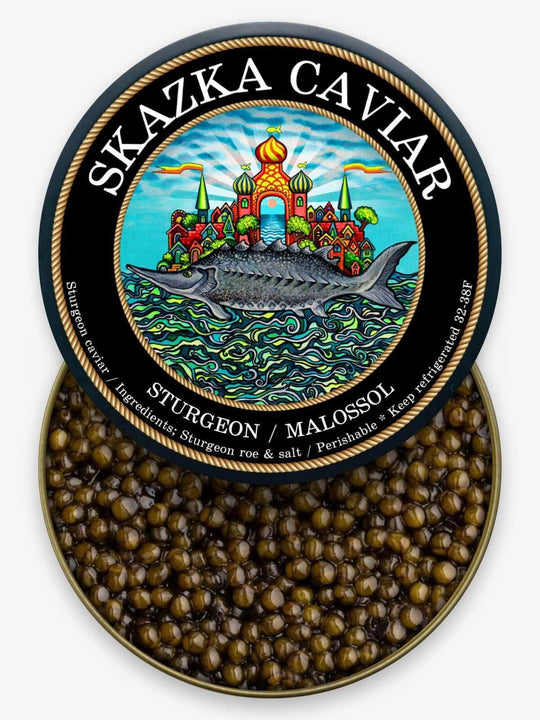
Shop Caviar By Type
Shop Black Caviar | Shop Red Caviar | Shop Caviar Accessories
Shop Beluga Caviar | Shop Kaluga Caviar | Shop White Sturgeon Caviar
Shop Osetra Caviar | Shop Salmon Roe | Shop Albino Sturgeon Caviar