Optimal Water Temperature for Sturgeon Growth
Different sturgeon species thrive within specific temperature ranges, but most commonly farmed varieties grow best between 18°C and 24°C. Within this range, sturgeon exhibit healthy feeding behavior, efficient metabolism, and steady weight gain. Temperatures below the ideal range can slow digestion and reduce appetite, leading to slower growth rates and extended production cycles. On the other hand, excessively warm water can stress the fish, reduce oxygen availability, and negatively impact overall health. Maintaining a stable temperature is equally important because sudden fluctuations can shock the fish and disrupt their biological functions. Successful farmers often use recirculating aquaculture systems and temperature-monitoring equipment to ensure the water remains within the ideal range throughout the year.
Read: Understanding Colour Variations in Premium Roe
Impact of Temperature on Feeding and Metabolism
Water temperature directly affects the metabolic rate of sturgeon, which in turn influences how much feed they consume and how efficiently they convert it into body mass. In warmer water, sturgeon metabolism increases, causing the fish to eat more frequently and grow faster when oxygen levels remain sufficient. However, if temperatures rise too high, the fish may become stressed and reduce feeding activity despite elevated metabolic demands. In colder water, metabolism slows considerably, reducing feed intake and energy use. Farmers must therefore adjust feeding schedules and feed quantities according to seasonal temperature changes to avoid overfeeding or underfeeding. Proper temperature management helps optimize feed conversion ratios, lowering operational costs and reducing waste accumulation in farming systems.
Temperature and Sturgeon Reproduction
Reproductive success in sturgeon farming is heavily influenced by seasonal water temperature patterns. Temperature acts as a biological signal that regulates spawning cycles, egg development, and hormonal activity. Many sturgeon species require cooler winter temperatures followed by gradual warming in spring to stimulate successful reproduction. If these seasonal cues are absent or poorly controlled, spawning rates and egg quality may decline significantly. Hatcheries often rely on precise temperature regulation to synchronize breeding programs and improve fertilization success. During incubation, maintaining stable temperatures is critical because embryos are highly sensitive to environmental changes. Even slight deviations from optimal conditions can reduce hatch rates or produce weak larvae with lower survival potential.
Read: The Texture Factor: What Makes Roe Pop Perfectly
Disease Risks Associated with Temperature Changes
Improper water temperature can increase the likelihood of disease outbreaks in sturgeon farms by weakening fish immune systems and encouraging pathogen growth. High temperatures often reduce dissolved oxygen levels while promoting the spread of harmful bacteria and parasites. Stress caused by overheating can make sturgeon more vulnerable to infections such as bacterial gill disease and fungal outbreaks. Extremely cold temperatures may also compromise immune responses and slow recovery from illness. Sudden shifts in temperature are particularly dangerous because they create physiological stress that leaves fish susceptible to opportunistic pathogens. Farmers can minimize disease risks by monitoring water conditions continuously, maintaining proper filtration systems, and avoiding abrupt temperature fluctuations during water exchanges or transportation.
Seasonal Temperature Management in Aquaculture Systems
Seasonal variations present major challenges for sturgeon farmers, especially in outdoor ponds and open-water systems where environmental conditions change naturally throughout the year. During summer, high temperatures may require aeration systems, water circulation equipment, or shaded pond areas to prevent overheating and oxygen depletion. In colder months, some farms use heated water systems or indoor recirculating tanks to maintain stable conditions and continue production efficiently. Advanced aquaculture operations increasingly rely on automated temperature sensors and climate-control technologies to optimize fish welfare year-round. Effective seasonal management not only protects fish health but also allows producers to maintain consistent growth rates and predictable harvest schedules despite changing weather conditions.
Economic Benefits of Proper Temperature Control
Controlling water temperature effectively provides significant economic advantages in commercial sturgeon farming. Fish raised in ideal temperature conditions typically grow faster, consume feed more efficiently, and experience lower mortality rates, all of which contribute to higher profitability. Consistent environmental management also improves caviar quality and meat texture, increasing market value and customer satisfaction. Furthermore, reducing disease outbreaks and stress-related losses lowers veterinary costs and minimizes production interruptions. Although temperature-control systems can require substantial initial investment, the long-term gains in productivity and sustainability often outweigh these expenses. As global demand for sturgeon products continues to grow, farms that prioritize precise environmental management are more likely to remain competitive in the aquaculture industry.
Conclusion
Water temperature is one of the most influential factors in successful sturgeon farming, affecting growth, feeding efficiency, reproduction, health, and overall profitability. Because sturgeon are highly sensitive to environmental conditions, maintaining stable and species-appropriate temperatures is essential throughout all stages of production. Modern aquaculture technologies have made it easier for farmers to monitor and regulate water conditions, helping improve fish welfare and operational efficiency. By understanding the relationship between temperature and sturgeon biology, producers can create healthier farming environments, reduce risks, and maximize production outcomes. In the future, effective temperature management will continue to play a vital role in supporting sustainable and profitable sturgeon aquaculture worldwide.
About the Author
 Igor Fishbeyn - Caviar Purveyor
Igor Fishbeyn is purveyor of fine sturgeon caviar and creator of the Skazka Caviar brand. He is an expert with decades of experience specializing in importing, wholesaling, and retailing the finest quality caviar in the world. Igor frequently writes about caviar news and various topics about the caviar industry. He lives in San Francisco with his wife and daughter.
Shop Skazka Caviar
Browse Our Exclusive Caviar Collection
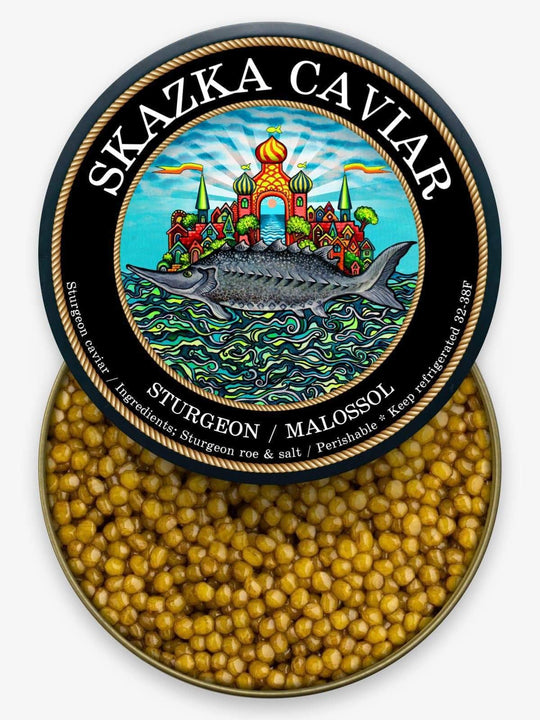
“Tsar Reserve” Golden Osetra Caviar
$395
Anyone with a taste for fine caviar will love “Royal Reserve” Golden Osetra Caviar. Its beautiful deep amber color is the first sign you’ll have that you’re in for something special, and once it hits your tongue you’ll know just… read more
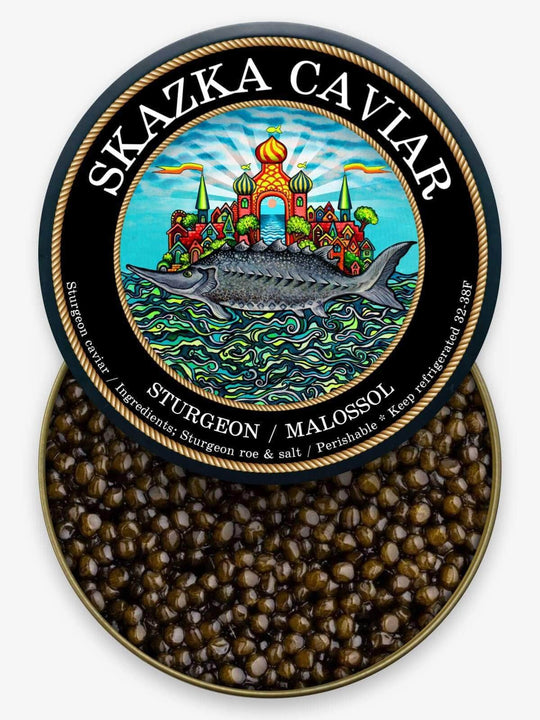
“Oprah’s Favorite” Russian Osetra Caviar
$295
$335
This medium-sized caviar is sure to be the star of any party or function you may throw. Its deep chocolate brown color is indicative of its rich and buttery flavor. Amber Osetra caviar has one of the cleanest tastes of any… read more
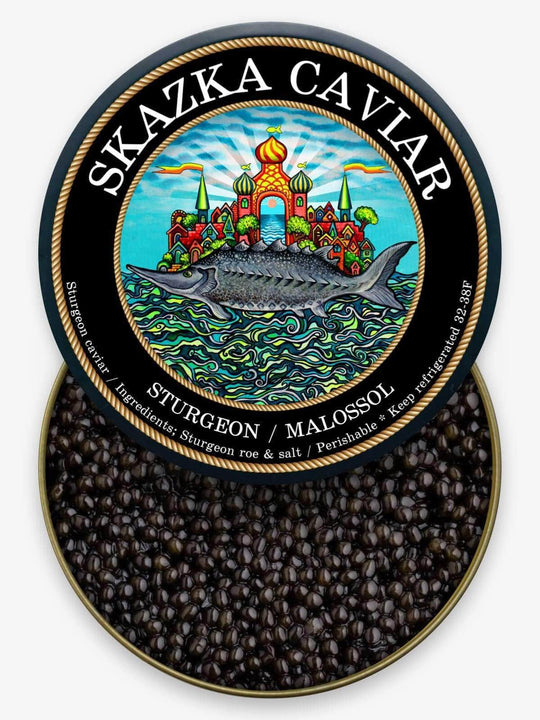
"Russian Czar" Beluga Sturgeon Caviar
$495
$599
With an incomparable richness, “Russian Czar” Beluga Sturgeon Caviar is a knockout when it comes to fine caviar. Traditionally harvested in Russia, this caviar holds a tradition of greatness throughout history. With buttery notes that linger on the taste buds,… read more
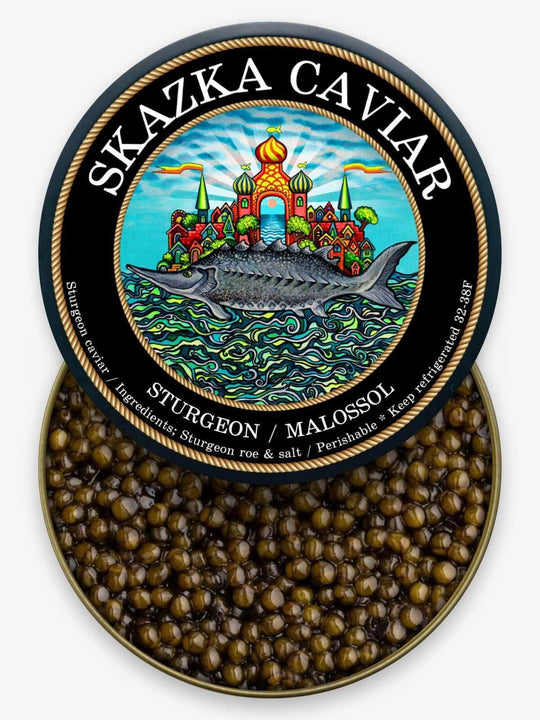
“River Beluga” Kaluga Sturgeon Caviar
$295
$395
This large, robust caviar is a favorite of connoisseurs. Its firmness provides a satisfying texture that will keep you coming back for seconds and even thirds. Its luxurious chocolate brown color is perfectly evocative of its rich taste. Hints of… read more
Shop Caviar By Type
Shop Black Caviar | Shop Red Caviar | Shop Caviar Accessories
Shop Beluga Caviar | Shop Kaluga Caviar | Shop White Sturgeon Caviar
Shop Osetra Caviar | Shop Salmon Roe | Shop Albino Sturgeon Caviar