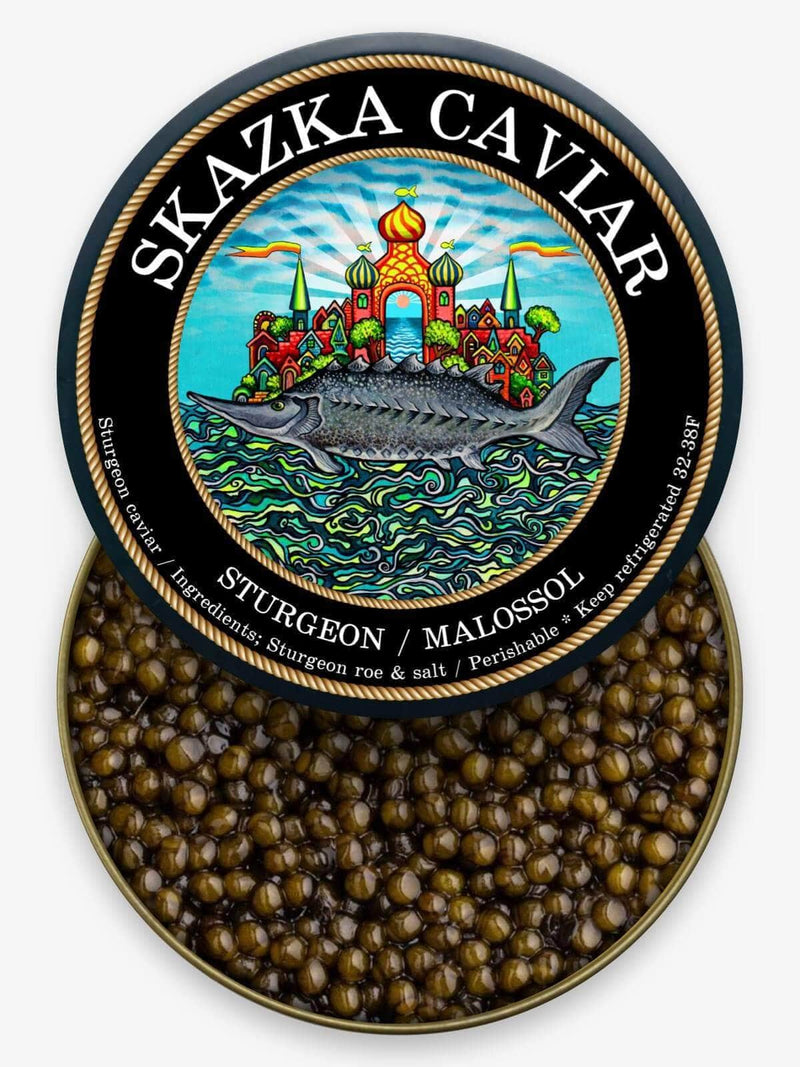
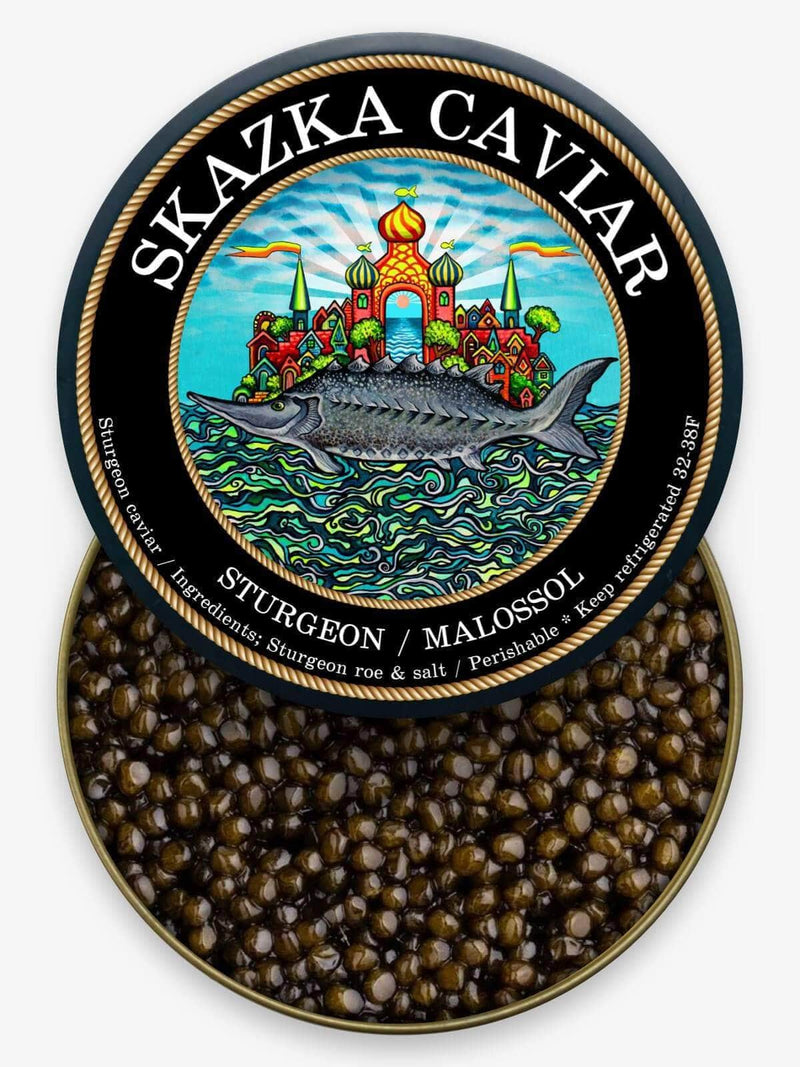
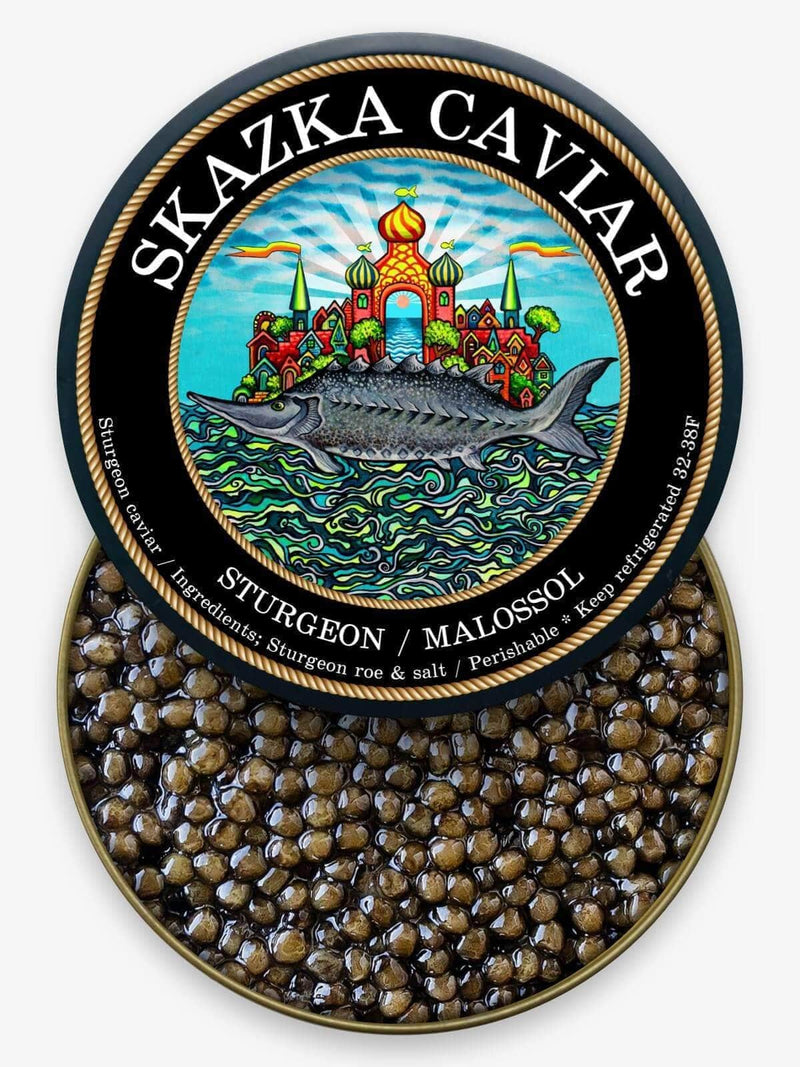
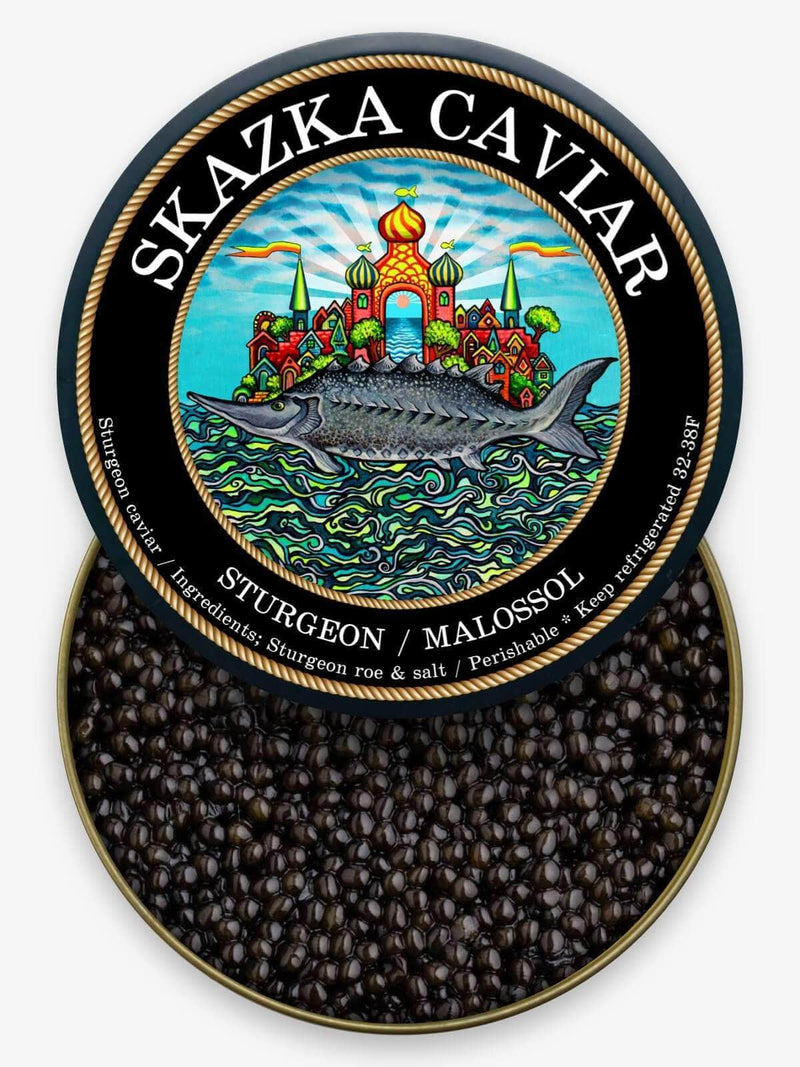
Caviar, often associated with luxury and sophistication, has a fascinating yet controversial history tied to the harvesting of sturgeon roe. While it remains a delicacy, the ethics of caviar consumption have come under scrutiny due to its environmental, social, and economic implications. This article delves into the complexities of caviar consumption, examining its impact on wildlife, the sustainability efforts in the industry, and the consumer’s role in ethical choices.
The Environmental Impact of Traditional Caviar Harvesting
Traditional caviar production has devastating effects on sturgeon populations and aquatic ecosystems. Sturgeon, the fish species that produces caviar, are some of the oldest living creatures on Earth but have become critically endangered due to overfishing and habitat destruction. Harvesting caviar often involves killing the female fish to extract her eggs, further exacerbating the decline in sturgeon populations. This exploitation not only threatens the species but also disrupts the ecological balance of rivers and seas where these fish play a vital role. Understanding these consequences is crucial for fostering awareness about the ethical dilemmas surrounding caviar consumption.

Read: The Best Wines for Cooking with Caviar
Sustainability Efforts in the Caviar Industry
In response to the ecological damage caused by traditional caviar production, many companies have embraced sustainable practices. Sustainable caviar is often sourced from aquaculture facilities, where sturgeon are bred and raised in controlled environments, minimizing harm to wild populations. Innovations such as “no-kill” caviar harvesting techniques, where eggs are extracted without harming the fish, offer an ethical alternative. Certifications like those from the Marine Stewardship Council (MSC) or the Aquaculture Stewardship Council (ASC) help consumers identify products that meet sustainability standards. By supporting these practices, the industry can reduce its environmental footprint while continuing to meet demand.
The Role of Regulations in Protecting Sturgeon
Strict international regulations play a pivotal role in preserving sturgeon species and ensuring ethical caviar production. The Convention on International Trade in Endangered Species of Wild Fauna and Flora (CITES) regulates the trade of caviar to prevent illegal poaching and overexploitation. Many countries also enforce domestic policies that limit sturgeon fishing, protect their habitats, and monitor the legality of caviar imports and exports. However, enforcement challenges and the black market for caviar remain significant hurdles. Strengthening regulatory frameworks and supporting transparent supply chains are essential for mitigating the unethical practices in the caviar trade.

Read: How Climate Change is Affecting Caviar Production
The Social and Economic Implications of Caviar Production
The caviar industry has profound social and economic effects, particularly in regions where sturgeon fishing is a traditional livelihood. For centuries, communities along the Caspian and Black Seas have depended on sturgeon for their income, making caviar a cornerstone of their economies. However, overfishing and environmental degradation have jeopardized these livelihoods. While aquaculture provides new economic opportunities, it can also disrupt traditional fishing practices and create disparities between large-scale producers and small, local fisheries. Striking a balance between economic development and ethical production is a challenge that requires a collaborative approach.

Ethical Alternatives to Traditional Caviar
For consumers seeking guilt-free indulgence, ethical alternatives to traditional caviar are increasingly available. Plant-based caviar made from seaweed or algae mimics the texture and flavor of sturgeon roe while being entirely sustainable and cruelty-free. Brands specializing in sustainable aquaculture also offer high-quality, ethically harvested caviar. Additionally, supporting local fisheries that prioritize eco-friendly practices can help ensure that your purchase contributes to ethical consumption. By exploring these alternatives, consumers can enjoy the luxury of caviar without compromising their environmental or ethical values.
How Consumers Can Make Ethical Choices
Consumers hold significant power in driving ethical practices within the caviar industry. By prioritizing sustainably sourced or plant-based alternatives, individuals can reduce the demand for products that harm sturgeon populations. Learning to identify certified sustainable caviar through labels and certifications is a practical first step. Supporting companies that champion transparency, traceability, and eco-friendly practices encourages a shift toward ethical production. Additionally, raising awareness about the issues surrounding traditional caviar harvesting can inspire others to make informed choices. Collectively, these efforts can promote a more sustainable and ethical caviar industry.

Conclusion
Caviar consumption raises complex ethical questions that touch on environmental sustainability, wildlife conservation, and social responsibility. While traditional harvesting methods have taken a toll on sturgeon populations and their ecosystems, innovations in sustainable aquaculture and the availability of plant-based alternatives offer hope for a more ethical future. Consumers play a pivotal role in driving change by choosing responsibly sourced products and advocating for better practices in the industry. By making informed decisions, we can enjoy the delicacy of caviar while respecting the environment and the communities that depend on it.
Shop the caviar
Explore Kaluga, Osetra, Beluga, and salmon roe from Caviar Skazka, plus spoons, blinis, and gift sets. Call or text (415) 366-0200, 9 AM–9 PM daily.
Kaluga, from $295 · Osetra, from $295 · Beluga, from $495 · Gift boxes, starting at $500