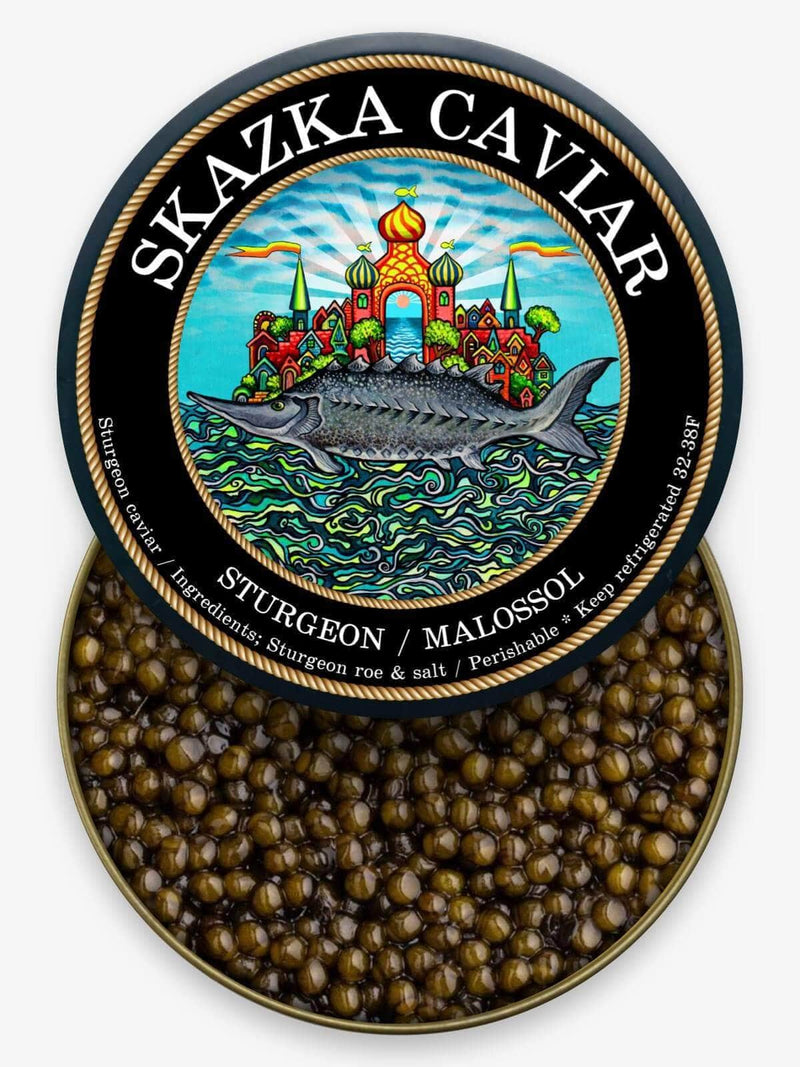
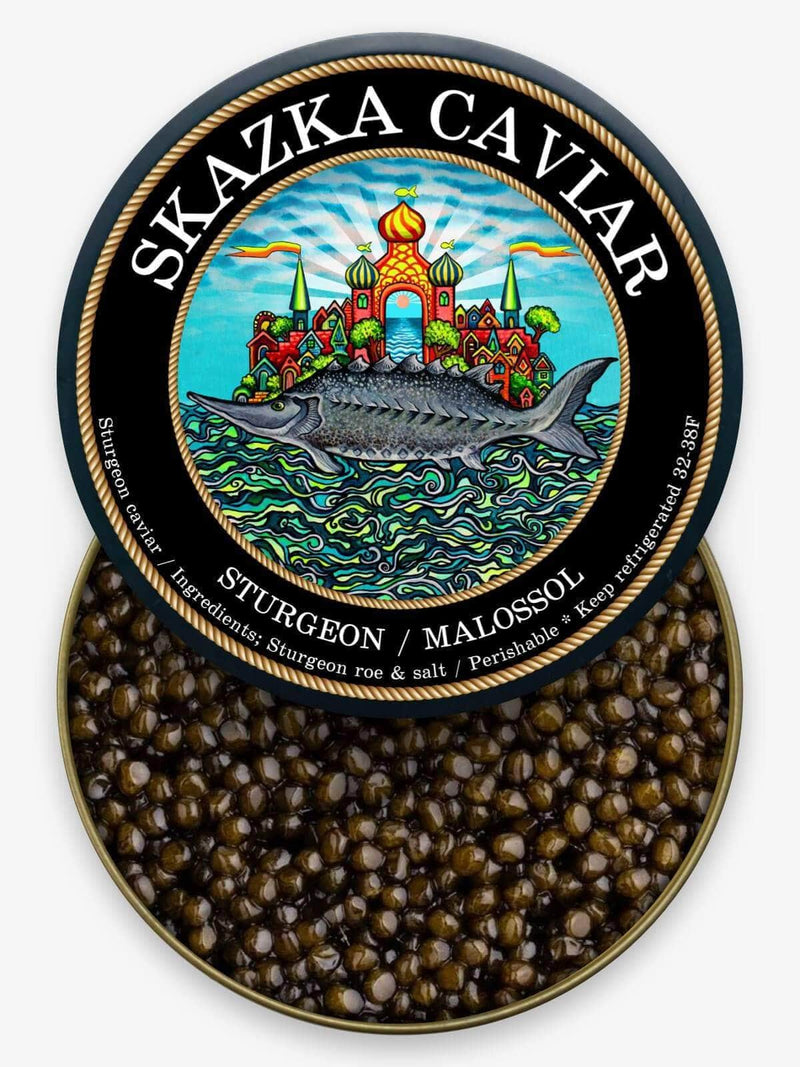
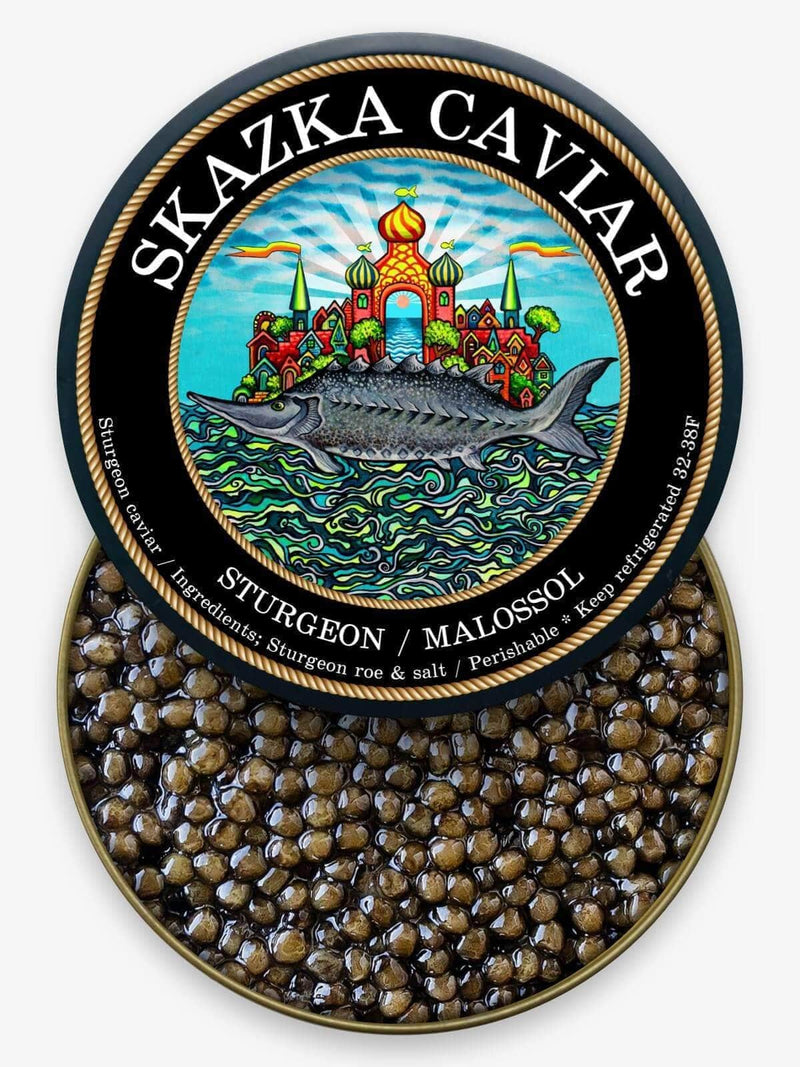
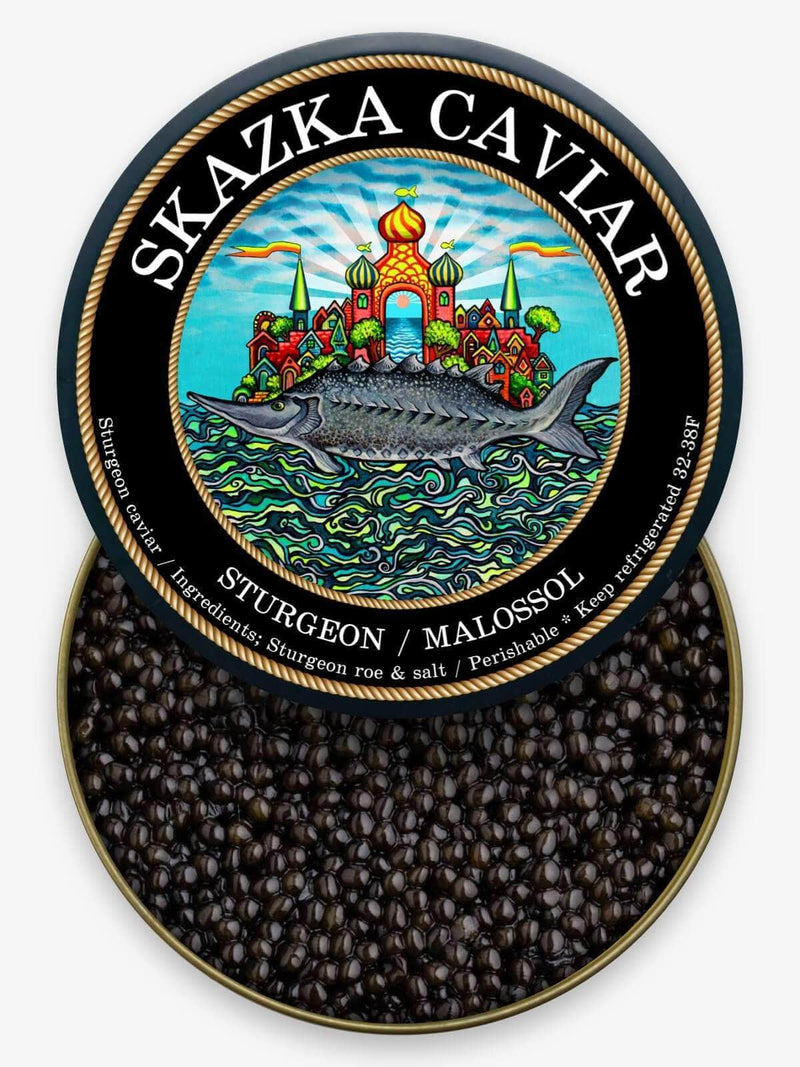
In the world of caviar and fish roe, pearl size is an important characteristic that influences appearance, texture, mouthfeel, and overall dining experience. Large pearls of caviar often attract attention because of their impressive appearance, delicate pop, and association with premium seafood delicacies. However, not all large roe pearls are equally desirable, as their appeal depends on the fish species, egg quality, flavor profile, texture, and processing methods. From the luxurious appeal of large sturgeon caviar to the distinctive characteristics of salmon roe, different types of fish eggs offer unique qualities that appeal to chefs, seafood enthusiasts, and gourmet consumers. Understanding what makes large caviar pearls desirable helps buyers appreciate the differences between varieties and select products that suit their culinary preferences. By exploring size, texture, flavor, rarity, presentation, and quality, it becomes easier to understand why larger roe pearls hold a special place in fine dining and gourmet cuisine.
The Visual Appeal of Large Caviar Pearls
One of the main reasons large caviar pearls are desirable is their striking visual appearance. Larger eggs are often easier to distinguish individually, creating an attractive presentation when served on their own or used to garnish refined dishes. Their rounded shapes, glossy surfaces, and natural colors can enhance the visual appeal of seafood platters, canapés, sushi, and other gourmet creations. Depending on the species, roe pearls may range from translucent orange and bright red to shades of gray, brown, or deep black. Large sturgeon caviar grains, for example, can create an elegant appearance when presented in a mother-of-pearl spoon or a small serving dish. Salmon roe, known for its comparatively large, vibrant orange-red eggs, offers a bold contrast against creamy sauces, rice, and seafood. Although size contributes to visual impact, consistency in color, shape, and overall condition is equally important. Well-presented pearls with minimal damage and a uniform appearance generally create a more appealing impression, making them especially desirable for restaurants, special occasions, and luxury food experiences.

Read: How Roe Became a Staple in Luxury Airline Dining
Texture and the Signature Pearl Pop
Texture is another major factor that makes large roe pearls attractive to caviar lovers. Depending on the species and processing method, larger eggs may provide a more noticeable sensation when gently pressed against the palate. Some varieties release their contents with a delicate pop, creating a burst of flavor that enhances the eating experience. Salmon roe is particularly well known for its prominent, juicy eggs, which release savory liquid when bitten. Sturgeon caviar, meanwhile, is appreciated for the way its eggs can offer a delicate outer membrane, a subtle pop, and a smooth, lingering finish. However, bigger does not automatically mean better texture. The ideal consistency depends on the type of roe and the preferences of the person eating it. Eggs that are excessively firm, mushy, broken, or leaking may indicate undesirable quality or handling issues, depending on the product. Proper processing, storage, and freshness all influence texture, while freezing and thawing can affect the integrity of certain varieties. For gourmet consumers, the most desirable large pearls combine an appropriate firmness with a pleasant mouthfeel and a texture that complements their natural flavor.
Species, Rarity, and Pearl Size
The species of fish producing the roe plays a significant role in determining pearl size, availability, and desirability. Sturgeon caviar is particularly prestigious because it comes from sturgeon species whose eggs vary in size, color, and flavor. Beluga caviar is traditionally associated with notably large grains, while other premium sturgeon varieties, including some Ossetra selections, can also feature relatively large pearls. Salmon roe naturally produces conspicuously large eggs compared with many other commonly consumed fish roes, although it is a different product category from sturgeon caviar. These differences matter because consumers often associate certain sizes and appearances with particular culinary experiences. Availability can also influence desirability, especially when roe comes from species that are difficult to raise or have tightly controlled production. Sturgeon aquaculture requires specialized expertise and considerable time, with some species taking years to mature and produce eggs. Responsible sourcing is essential because many sturgeon populations have faced serious conservation pressures. Buyers should look for reputable suppliers and appropriate traceability rather than assuming that a larger egg or a prestigious label automatically guarantees superior quality. In practice, the appeal of large pearls reflects a combination of natural characteristics, production challenges, and consumer expectations.

Read: The Subtle Flavor Notes Found in Premium Roe
Flavor Intensity and Culinary Experience
Large caviar pearls can influence how flavor is experienced, although egg size alone does not determine taste. Depending on the species, caviar may offer buttery, creamy, nutty, briny, marine, or subtly sweet notes. Larger eggs can release their contents in a more noticeable burst, allowing diners to experience the roe’s liquid and flavor in a distinct moment. This characteristic is especially apparent in salmon roe, where the larger eggs deliver a juicy, salty sensation that pairs well with mild ingredients. Sturgeon caviar is often appreciated for its layered flavor and lingering finish, with differences between varieties reflecting species, diet, maturity, and processing. Serving temperature and accompanying ingredients also affect the overall experience. Chilled caviar served with neutral accompaniments can allow its individual characteristics to remain prominent, while strong seasonings may overwhelm delicate flavors. For this reason, chefs consider not only the size of the pearls but also their salinity, aroma, freshness, and compatibility with a dish. The most desirable roe offers a balanced flavor profile that suits its intended use, whether served simply as a delicacy or incorporated into a carefully composed gourmet recipe.

Quality, Processing, and Freshness
The quality of large caviar pearls depends on much more than their diameter. Freshness, careful handling, appropriate processing, and reliable cold-chain management are essential to preserving their texture and flavor. High-quality roe generally has a clean, characteristic aroma rather than an unpleasant or strongly fishy smell, although normal aromas vary between species and products. The eggs should also have an appearance and consistency appropriate to their variety, with excessive leakage, crushing, or unexplained discoloration raising concerns. In sturgeon caviar production, grading may consider grain size, firmness, color, flavor, and uniformity, but grading systems and terminology can differ between producers. Salt content and processing methods also affect the final product, including its taste and texture. Large pearls that have been poorly handled may lose their appeal despite their impressive appearance. Consumers should purchase caviar and fish roe from reputable suppliers, follow the product’s refrigeration instructions, and observe use-by dates and food-safety guidance. Clear labeling about species, origin, processing, and storage provides additional confidence when comparing products. Ultimately, large pearls are most desirable when their size is supported by excellent condition, characteristic flavor, and consistent quality.
Presentation, Prestige, and Gourmet Value
Large roe pearls are frequently associated with luxury dining because they create an immediate visual and sensory impression. Their distinctive appearance makes them popular for restaurant tasting menus, celebrations, premium seafood platters, and special-occasion meals. In fine dining, chefs may use larger pearls as a focal point, allowing diners to appreciate their color, texture, and flavor without excessive garnishing. Salmon roe can add bright color and a juicy texture to sushi, blinis, seafood dishes, and creamy preparations, while large-grained sturgeon caviar may be served in small portions to emphasize its refined character. The perceived value of these products depends on several considerations, including species, supply, production costs, reputation, and overall quality. Larger pearls may attract a premium when they are characteristic of a sought-after variety and meet high quality standards, but size does not guarantee a higher price or a better culinary experience. Buyers should compare products by species, grade, origin, freshness, and price per unit rather than relying on appearance alone. When these factors align, large caviar pearls can offer an appealing combination of presentation, indulgence, and distinctive gastronomic enjoyment.

Conclusion
Large pearls are desirable in the caviar and fish roe market because they combine visual impact with distinctive texture, culinary versatility, and a strong association with gourmet dining. Their size can make each egg more noticeable, while the species determines much of its natural appearance, flavor, and mouthfeel. Rarity, responsible sourcing, careful processing, freshness, and consistent quality further influence how consumers perceive and value these delicacies. Nevertheless, larger eggs are not always superior, and the best choice depends on the variety, intended dish, and individual taste preferences. By considering these factors together, consumers can make more informed decisions when purchasing caviar or fish roe. Whether enjoyed for the buttery complexity of sturgeon caviar or the juicy pop of salmon roe, high-quality pearls demonstrate that true desirability comes from the balance of size, flavor, texture, and freshness rather than dimensions alone.
Shop the caviar
Explore Kaluga, Osetra, Beluga, and salmon roe from Caviar Skazka, plus spoons, blinis, and gift sets. Call or text (415) 366-0200, 9 AM–9 PM daily.
Kaluga, from $295 · Osetra, from $295 · Beluga, from $495 · Gift boxes, starting at $500