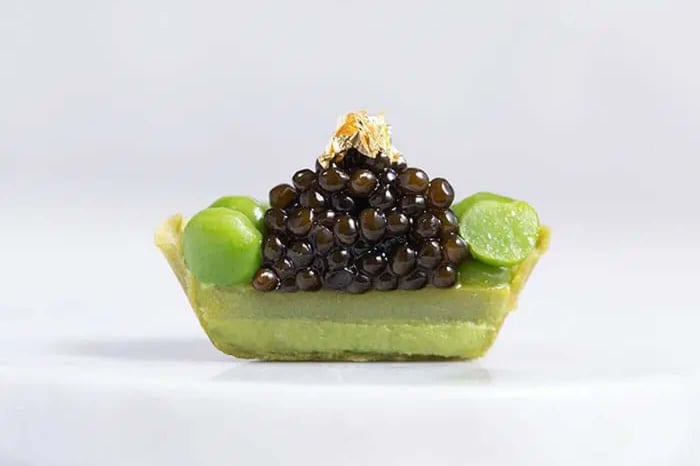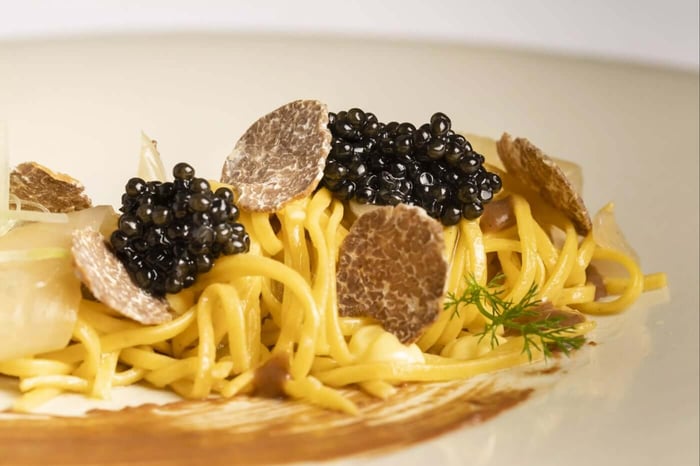
 Luxury airline dining has evolved far beyond simply serving passengers a meal at cruising altitude. Today, premium cabins often aim to recreate the atmosphere of an upscale restaurant, combining carefully selected ingredients, sophisticated presentation, premium wines, and personalized service. Among the ingredients that have become closely associated with this experience is roe, particularly caviar and other types of fish roe. Once regarded primarily as a delicacy reserved for elite dining rooms and special occasions, roe has found a natural place in first-class and business-class menus around the world. Its reputation for exclusivity, distinctive appearance, and concentrated flavor makes it particularly well suited to the symbolism of luxury air travel. But the relationship between roe and airline dining did not emerge overnight. It developed alongside the growth of commercial aviation, the rise of premium cabins, changing passenger expectations, and airlines’ efforts to differentiate their onboard experiences. Understanding how roe became a staple in luxury airline dining reveals how food can function not only as nourishment, but also as a powerful expression of hospitality, status, and brand identity.
The Origins of Roe in Luxury Travel
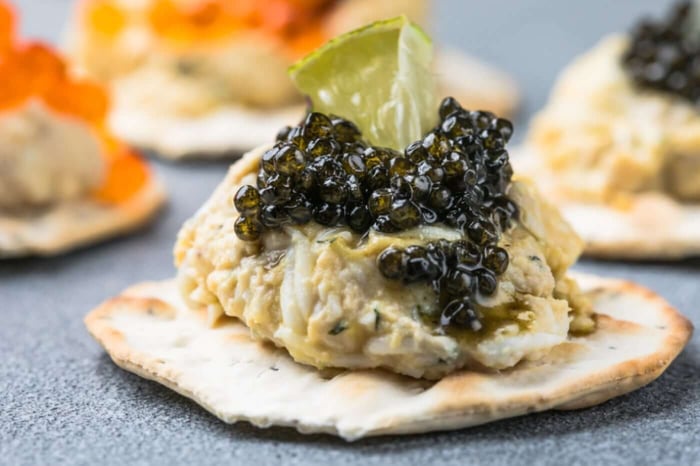
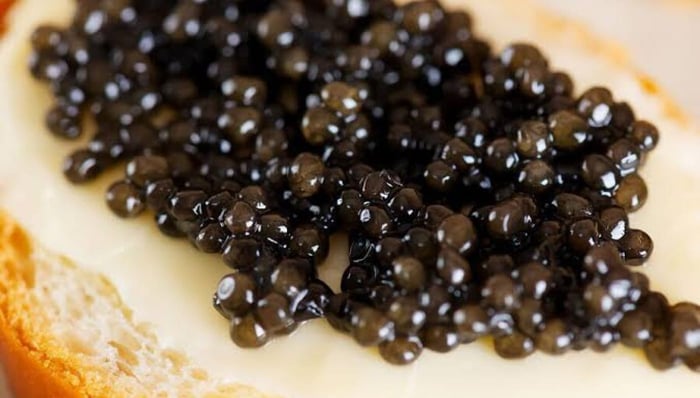
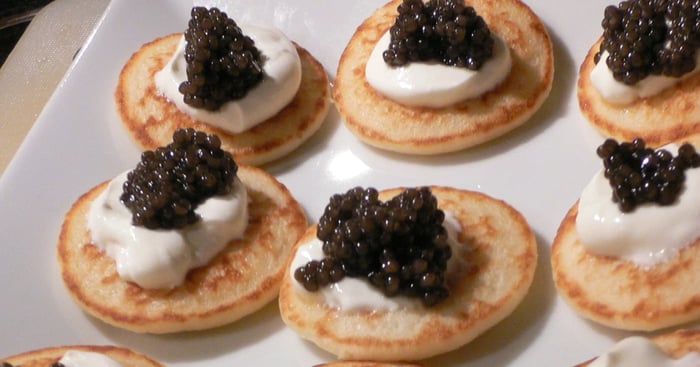
The connection between roe and luxury travel can be traced to the broader history of European fine dining, where caviar developed a reputation as a prestigious delicacy. During the twentieth century, caviar became increasingly associated with sophisticated restaurants, grand hotels, diplomatic occasions, and high-society entertaining. As commercial aviation expanded, airlines began borrowing ideas from these established luxury environments. First-class cabins were designed to provide passengers with an experience that felt exceptional from the moment they boarded, and food played an important role in creating that impression. Serving an ingredient already recognized as exclusive offered airlines an efficient way to communicate refinement without requiring elaborate explanations. Roe also suited the practical demands of premium service because a small quantity could make a meal appear significantly more luxurious. Traditionally served with accompaniments such as blinis, crème fraîche, chopped egg, or finely sliced onion, caviar could transform a relatively simple presentation into a recognizable fine-dining course. Over time, its appearance on premium airline menus helped establish a visual and culinary connection between flying first class and experiencing an exclusive restaurant.
Read: The Subtle Flavor Notes Found in Premium Roe
Why Caviar Works So Well at 30,000 Feet
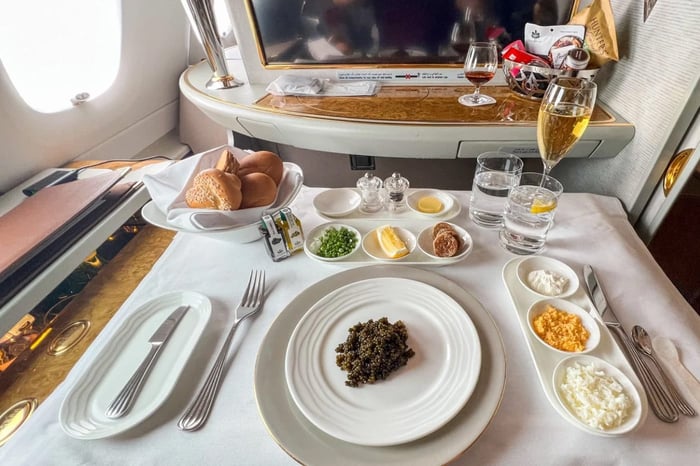
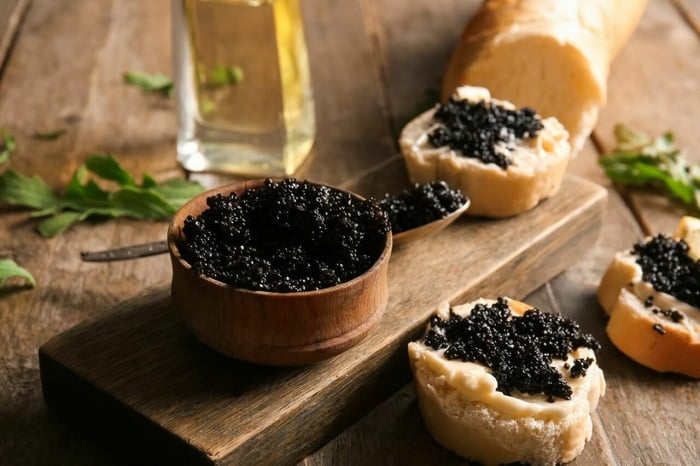
Several characteristics make roe particularly suitable for luxury airline dining. First, caviar has a strong cultural association with celebration and exclusivity, meaning passengers often recognize its significance before tasting it. Second, it can be served in relatively small portions, an important consideration when airlines must manage weight, storage, and catering logistics. Third, its presentation creates an immediate sense of occasion. A small tin of caviar accompanied by traditional garnishes can look distinctive on a premium table setting, especially when paired with champagne or another carefully selected beverage. The service ritual itself can also contribute to the experience. Opening a caviar tin, presenting the roe, and arranging its accompaniments creates a sense of ceremony that distinguishes premium cabin service from standard meal delivery. At altitude, where physical surroundings are necessarily limited, these sensory and visual details become particularly valuable. Airlines cannot offer a traditional dining room, but they can reproduce some of its signals through tableware, service, ingredient selection, and presentation. Roe therefore functions as both a food and a symbol, helping airlines communicate exclusivity within the confined environment of an aircraft cabin.
Airlines Turn Roe Into a Brand Experience
As competition among premium airlines increased, food became an important component of brand differentiation. Airlines began working with celebrated chefs, specialist caterers, luxury food producers, and beverage experts to create menus intended to reflect their identity and target clientele. Within this environment, roe became more than a generic luxury ingredient. Its sourcing, variety, presentation, and accompanying dishes could be incorporated into an airline’s broader culinary story. Some carriers have highlighted traditional caviar service, while others have incorporated roe into contemporary appetizers, seafood courses, or regional dishes. This flexibility allows the ingredient to fit different culinary concepts while maintaining its premium reputation. The choice of roe can also communicate attention to provenance and quality, particularly as consumers have become more interested in where luxury foods originate and how they are produced. For airlines, such details can become part of the overall passenger experience, reinforcing the idea that premium travel is about carefully considered touches rather than simply larger seats or additional amenities. In this way, roe has become a recognizable element of luxury airline branding, capable of linking culinary craftsmanship with the exclusivity passengers associate with premium cabins.
Read: How Chefs Use Roe to Elevate Minimalist Dishes
The Changing World of Sustainable Roe
The modern luxury dining industry has also changed how consumers think about caviar and other forms of roe. Historically, wild sturgeon caviar was closely associated with the Caspian Sea and was considered one of the world’s most prestigious foods. Concerns surrounding overfishing, conservation, and the decline of wild sturgeon populations contributed to major changes in the caviar industry. Farmed caviar has consequently become an increasingly important source for the luxury market, allowing producers to maintain consistent supply while operating within regulated aquaculture systems. This shift has relevance for airlines, which require dependable suppliers capable of meeting strict standards for food safety, quality, and consistency. Modern airline passengers may also pay greater attention to sustainability and ethical sourcing than previous generations did. As a result, luxury carriers have opportunities to present roe not simply as an indulgent ingredient but as a carefully sourced product. The broader market for roe has expanded as well, with salmon roe, trout roe, lumpfish roe, and other varieties offering different flavors, textures, colors, and price points. These alternatives allow airlines to explore premium seafood presentations while responding to changing supply chains and consumer expectations.
Roe and the Psychology of Premium Dining
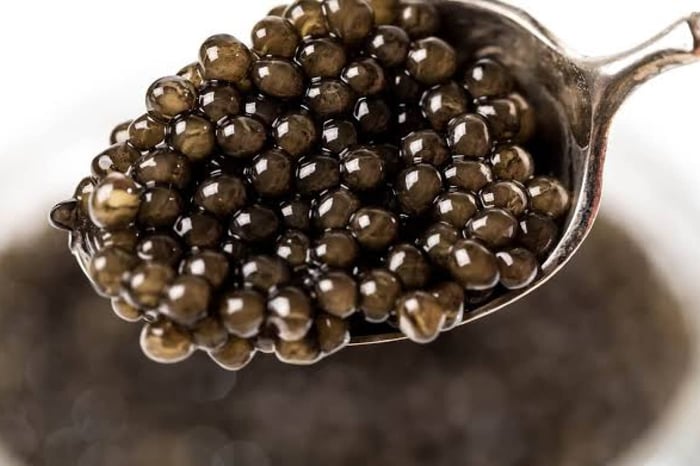
The appeal of roe in luxury airline dining is also connected to the psychology of perceived value. Travelers purchasing premium airline tickets are often paying not only for transportation but for an experience that feels meaningfully different from ordinary travel. Luxury dining provides tangible evidence of that difference. A passenger may remember a distinctive caviar service more readily than a conventional meal because it carries cultural associations with celebration, rarity, and sophistication. The small size of a roe serving can even strengthen this perception: scarcity and careful portioning are often interpreted as signs of exclusivity. Presentation matters just as much. Elegant dishes, specialized spoons, chilled service, premium tableware, and thoughtful accompaniments can turn a simple serving of roe into a memorable ritual. The cabin environment itself adds another layer to the experience because passengers are enjoying an ingredient traditionally associated with fine dining while traveling thousands of feet above the ground. This combination of rarity, setting, service, and symbolism helps explain why roe continues to occupy a prominent position in the language of luxury aviation.
The Future of Roe in Luxury Airline Dining
The role of roe in premium airline dining is likely to continue evolving as airlines balance luxury with sustainability, cost management, changing culinary preferences, and operational realities. Future menus may place greater emphasis on responsibly farmed caviar, regional varieties of roe, and creative preparations that use smaller portions without sacrificing visual impact. Airlines may also increasingly connect roe with broader gastronomic themes, such as locally inspired menus, chef collaborations, seasonal ingredients, or curated tasting experiences. At the same time, traditional caviar service is likely to retain its appeal because its cultural meaning is already deeply established. The challenge for airlines will be maintaining the sense of exclusivity that passengers expect while adapting to a dining landscape in which provenance, environmental responsibility, and authenticity are becoming increasingly important. Technology and improved onboard catering may also support more sophisticated presentation and temperature management. Whatever form it takes, roe is likely to remain relevant because it offers airlines something few ingredients can: an instantly recognizable combination of flavor, visual appeal, ceremony, and prestige.
Conclusion
Roe became a staple in luxury airline dining because it perfectly connects the worlds of fine food and premium travel. Its historical reputation as an exclusive delicacy gave airlines a powerful ingredient for creating a sense of occasion, while its compact serving size, distinctive presentation, and compatibility with elegant accompaniments made it practical for onboard service. Over time, airlines transformed caviar and other roe varieties into elements of their broader hospitality and branding strategies, using them to distinguish premium cabins and create memorable culinary rituals. The industry is now entering a new phase in which sustainability, responsible sourcing, and culinary creativity are becoming just as important as traditional ideas of luxury. Yet the fundamental appeal of roe remains strong. From its origins in fine dining to its place on high-end airline menus, roe demonstrates how a carefully chosen ingredient can become a symbol of an entire travel experience.
About the Author

Igor Fishbeyn - Caviar Purveyor
Igor Fishbeyn is purveyor of fine sturgeon caviar and creator of the Skazka Caviar brand. He is an expert with decades of experience specializing in importing, wholesaling, and retailing the finest quality caviar in the world. Igor frequently writes about caviar news and various topics about the caviar industry. He lives in San Francisco with his wife and daughter.
Shop Skazka Caviar
Browse Our Exclusive Caviar Collection
Shop Caviar By Type
Shop Black Caviar | Shop Red Caviar | Shop Caviar Accessories
Shop Beluga Caviar | Shop Kaluga Caviar | Shop White Sturgeon Caviar
Shop Osetra Caviar | Shop Salmon Roe | Shop Albino Sturgeon Caviar