Adding Intense Flavor Without Overcomplicating the Dish
One of the main reasons chefs use roe in minimalist cooking is its ability to deliver concentrated flavor in very small quantities. Many types of roe have a naturally briny, oceanic character that can immediately make a dish taste more complex. Instead of adding several sauces, herbs, spices, or seasonings, a chef can use a small spoonful of roe to introduce salinity and depth. This approach is particularly effective with ingredients that have mild flavors, such as potatoes, eggs, rice, cauliflower, or fresh bread. The contrast between a neutral base and the distinctive taste of roe allows both components to remain recognizable. Rather than masking the primary ingredient, roe enhances it. This makes it an ideal choice for chefs who want to create sophisticated food while maintaining a short ingredient list. In minimalist cuisine, where every component needs to justify its presence, roe can perform several culinary functions at once, making the overall dish more expressive without making it more complicated.
Read: The Importance of Harvest Timing in Roe Quality
Creating Contrast Through Texture
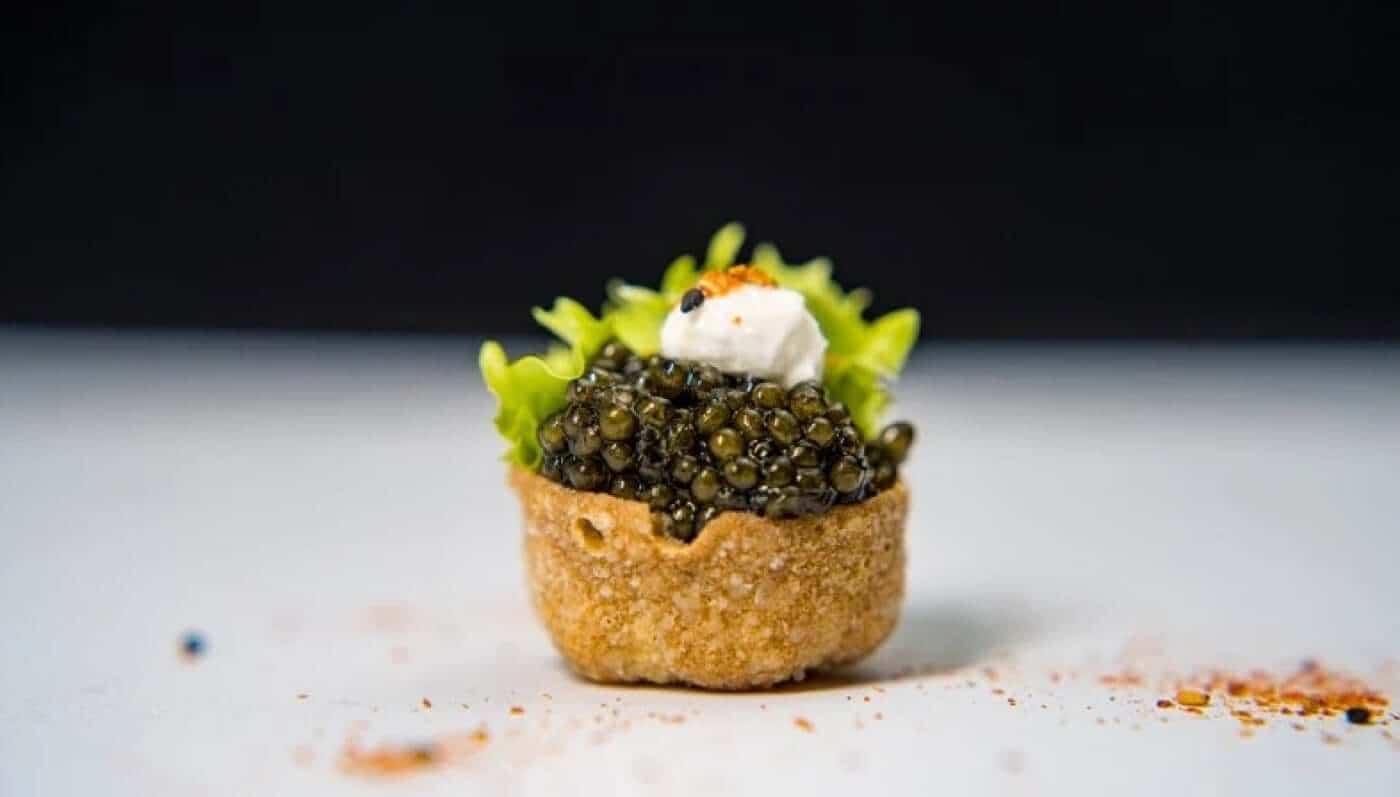
Texture is just as important as flavor when chefs design minimalist dishes, and roe provides an unusually effective textural contrast. Depending on the variety, the eggs can offer a delicate pop when bitten, releasing their flavorful contents against softer ingredients. This creates a sensory experience that can make an otherwise simple dish feel considerably more dynamic. For example, creamy scrambled eggs topped with roe gain a subtle burst of texture, while a smooth potato purée becomes more interesting when finished with small, delicate pearls. Chefs can also pair roe with crisp ingredients to create a contrast between crunch and softness. Because the quantity required is usually small, the textural effect remains precise rather than overwhelming. This attention to texture reflects an important principle of minimalist cooking: complexity does not necessarily come from adding more ingredients. Instead, it can come from carefully combining contrasting sensations. Roe allows chefs to introduce this complexity while preserving the clean, understated character of the dish.
Using Roe as a Visual Accent
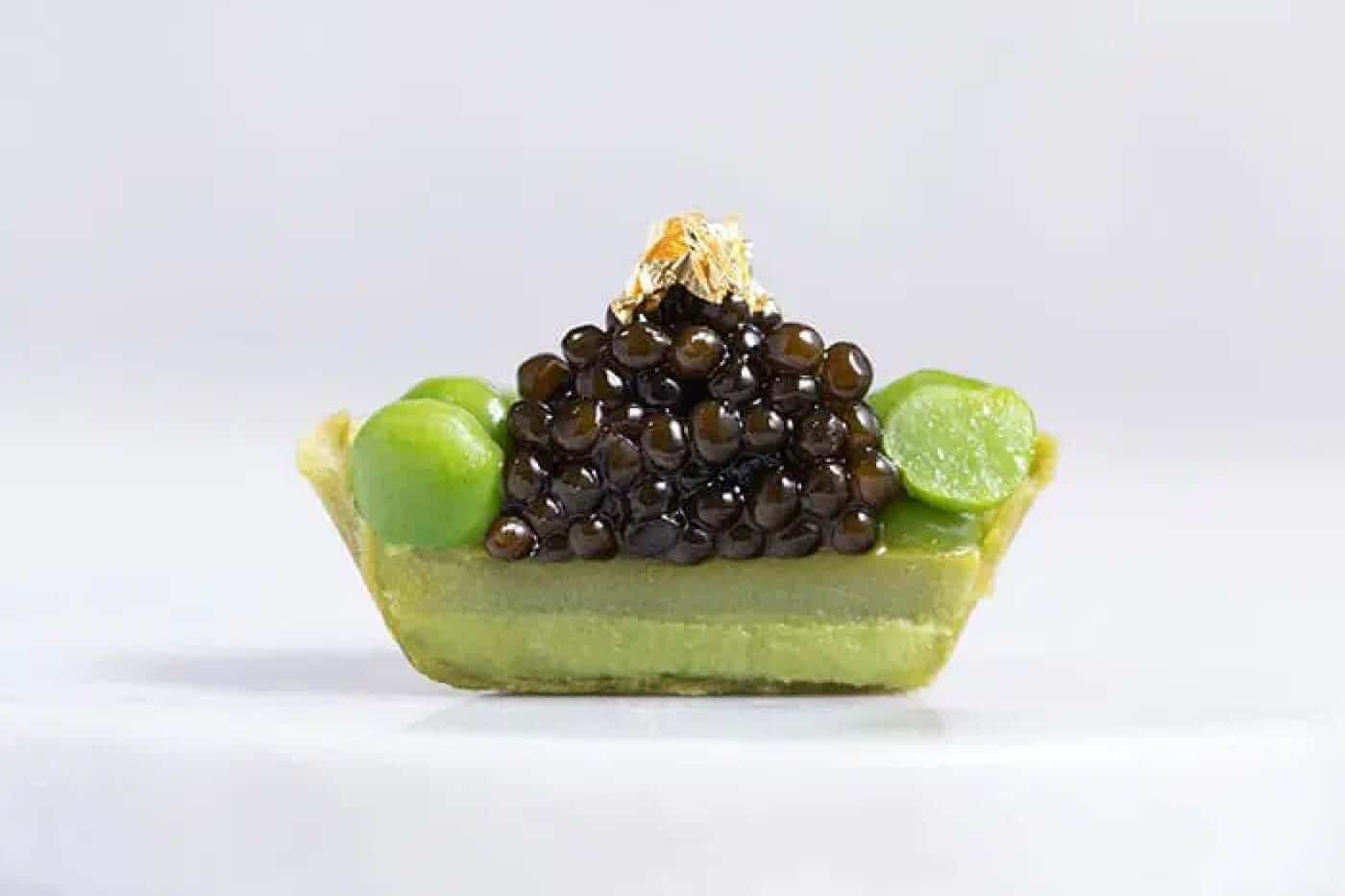
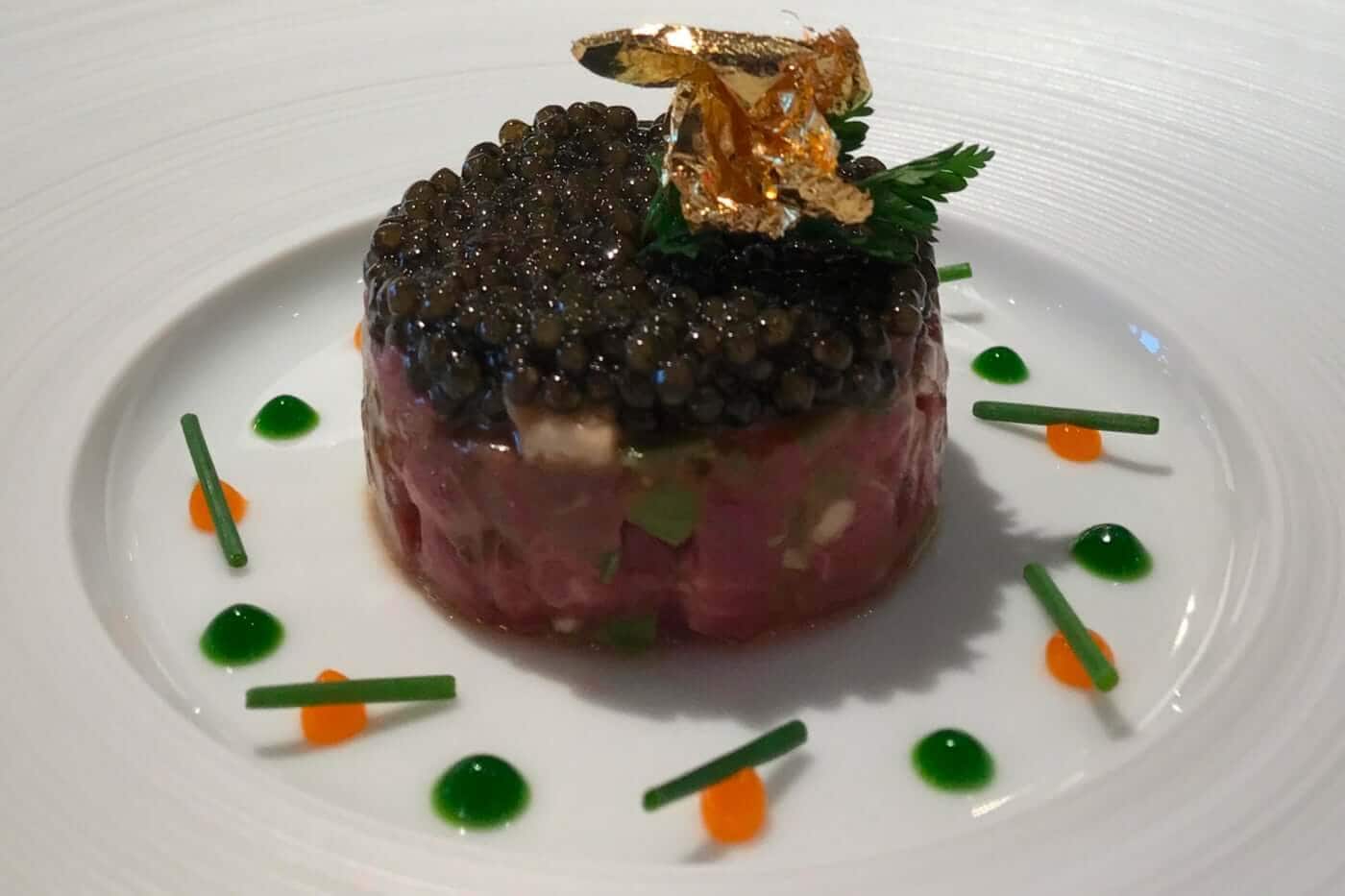
Minimalist dishes often rely on presentation to communicate elegance, and roe naturally lends itself to refined plating. Its small, glossy appearance can provide a striking visual accent against neutral-colored ingredients. Bright orange, red, yellow, green, gray, or black roe can create a focal point without requiring elaborate garnishes. Chefs may place a small amount on top of a purée, alongside a piece of seafood, over a canapé, or carefully arranged across a simple sauce. This restrained use of color can make a plate look intentional and sophisticated. The visual impact is especially valuable in minimalist cuisine because there are fewer decorative elements competing for attention. Instead of filling the plate with multiple garnishes, chefs can use roe as a precise finishing touch. Its natural appearance also reinforces the connection between the dish and the sea, making it particularly appropriate for seafood-focused menus. When used thoughtfully, roe demonstrates that luxury does not always require large portions or extravagant decoration; sometimes, a few carefully positioned pearls are enough to transform the appearance of an entire plate.
Read: Why Tin Packaging Is Preferred for Luxury Roe
Pairing Roe With Simple Ingredients
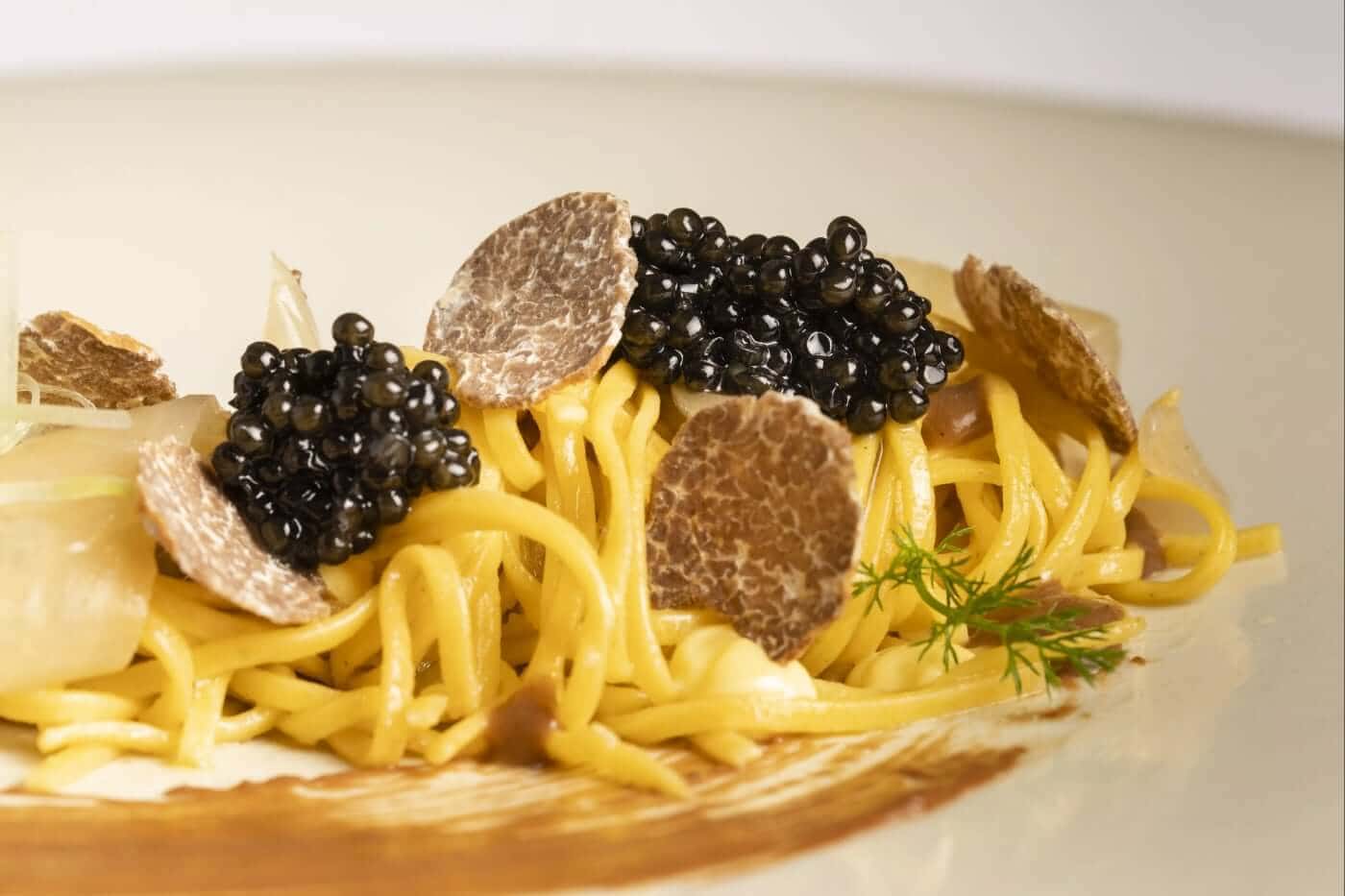
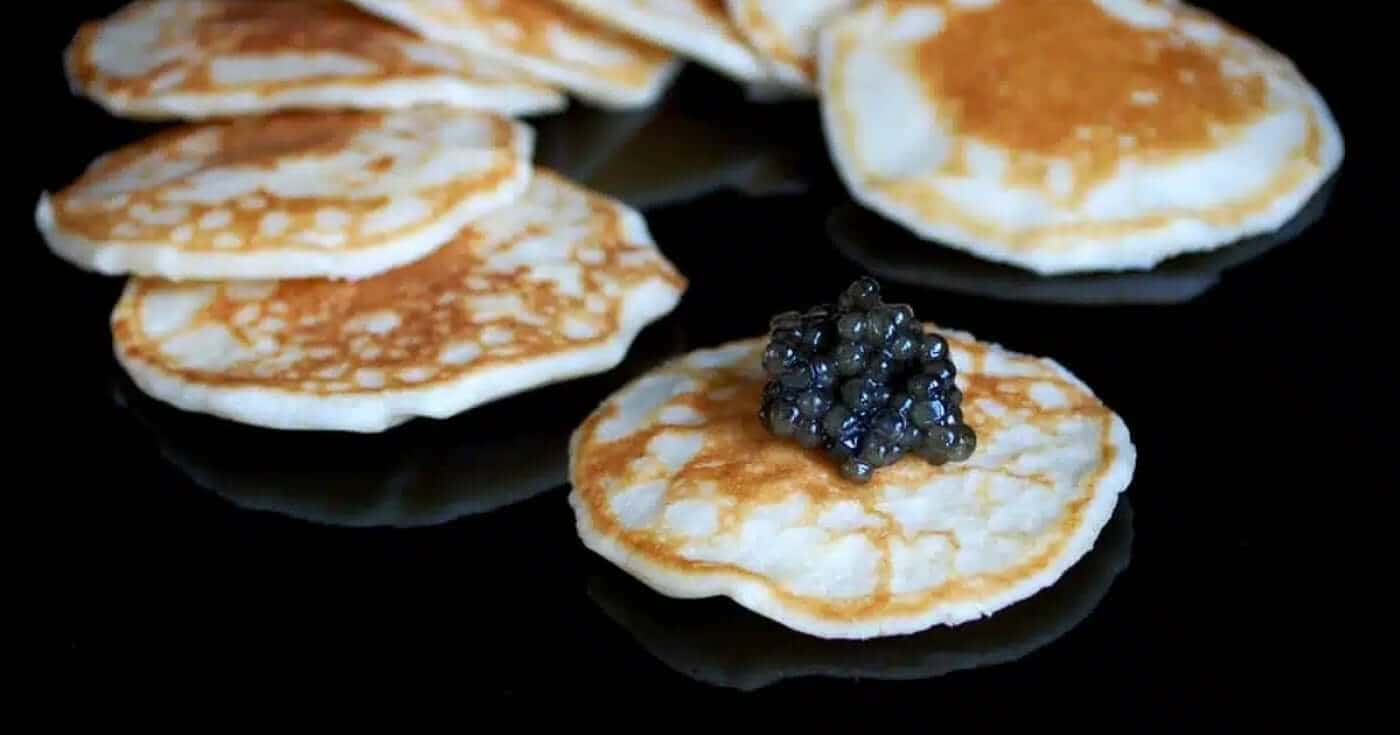
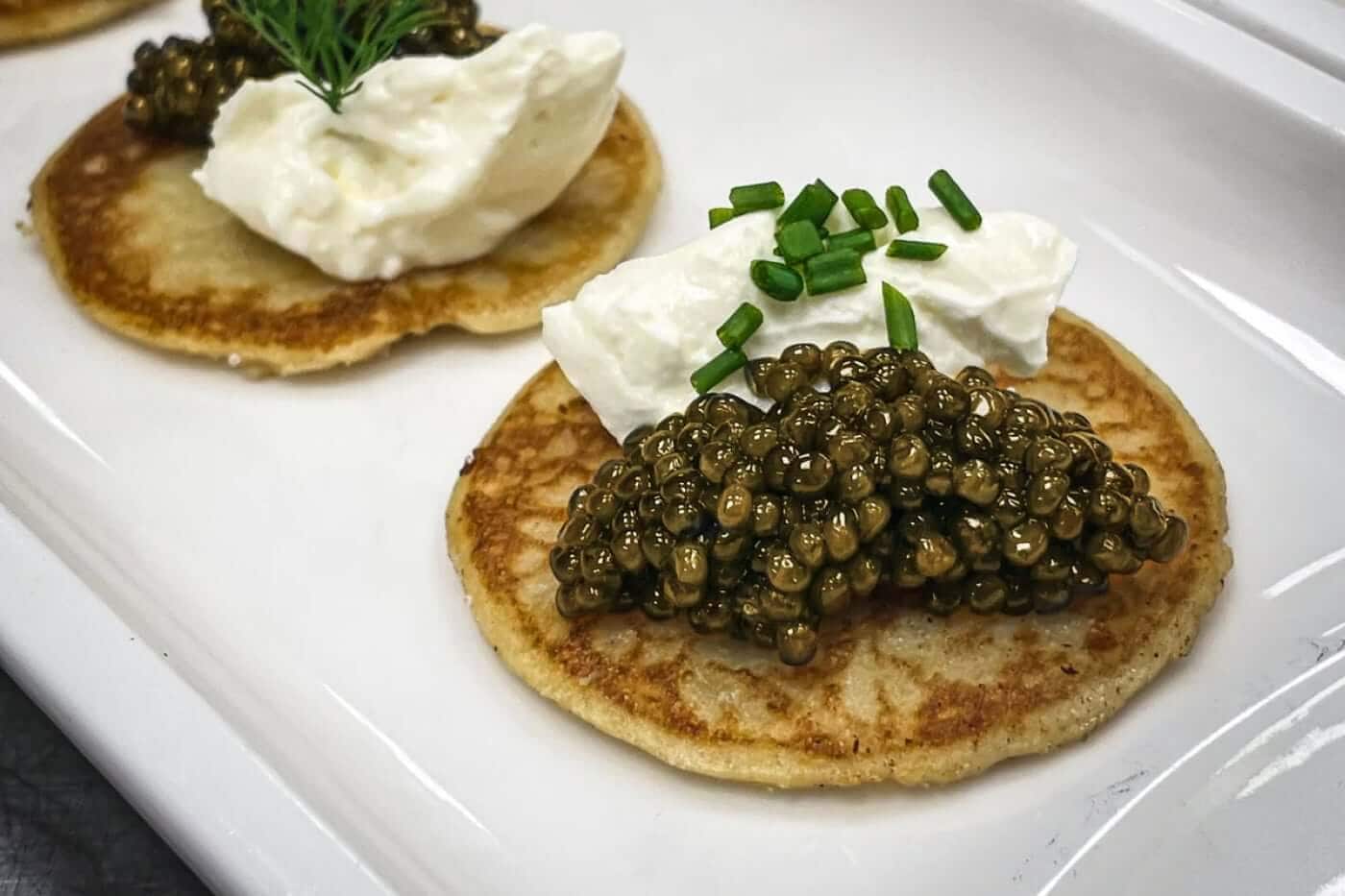
The versatility of roe becomes especially apparent when it is paired with uncomplicated ingredients. Classic combinations often include roe with potatoes, eggs, crème fraîche, blinis, toast, rice, pasta, seafood, or delicate vegetables. These ingredients provide a mild or creamy foundation that allows the roe to remain the focal point. Chefs can also use subtle fats, such as butter or cream, to soften the intensity of salty roe and create a more rounded flavor profile. Acidic elements, including lemon or lightly pickled vegetables, can provide another useful contrast by cutting through richness and refreshing the palate. The key is balance. Since roe already has a strong personality, adding too many assertive ingredients can undermine the minimalist concept. Instead, chefs often choose ingredients that support the roe without competing with it. This approach demonstrates how minimalist cuisine can turn ordinary ingredients into memorable dishes through careful selection and proportion. The resulting plate may contain only a handful of components, yet each one contributes to the overall flavor and experience.
Elevating Everyday Foods With a Touch of Luxury
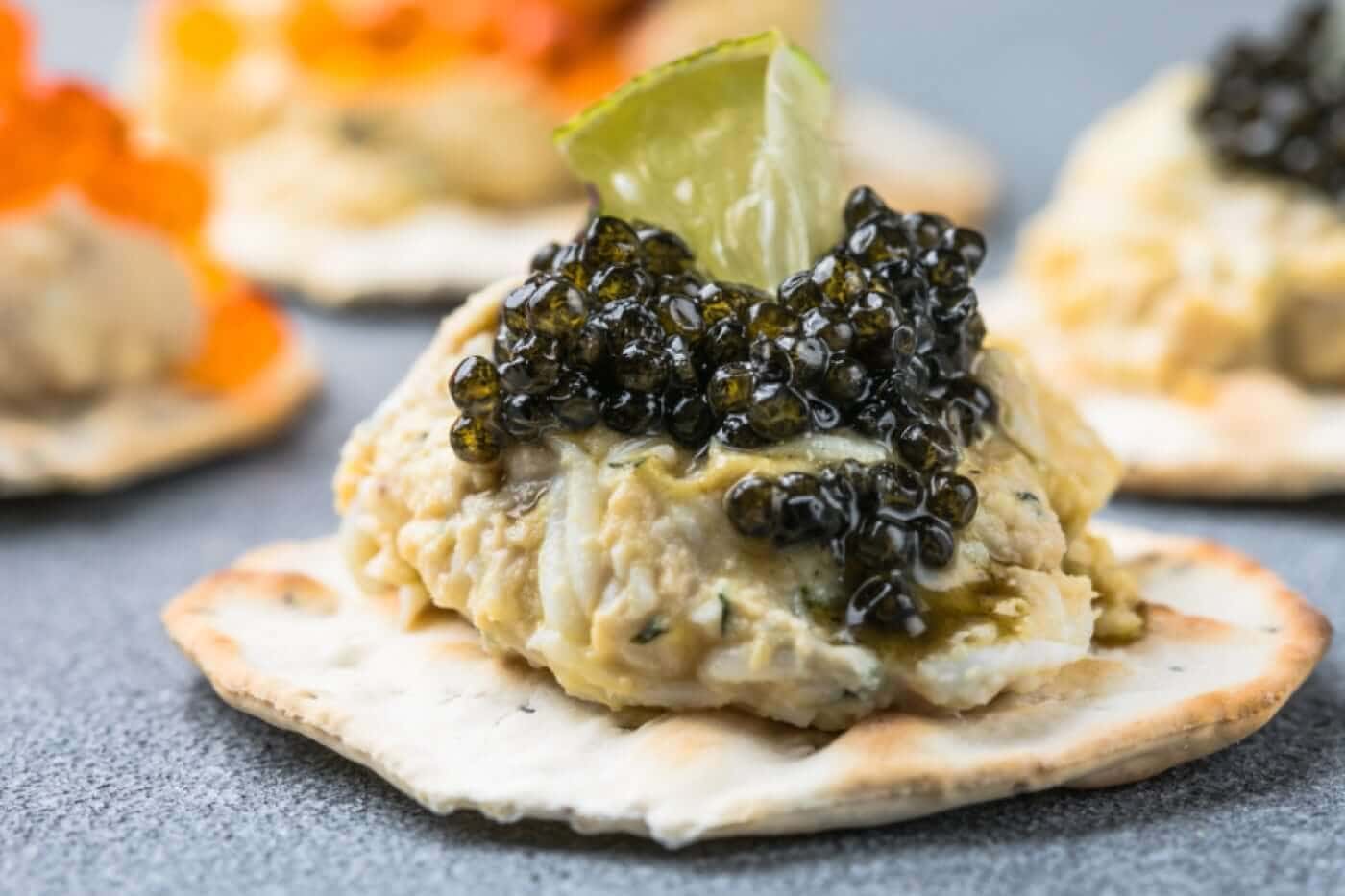
Another reason roe has become popular in contemporary culinary settings is its ability to make familiar foods feel luxurious. A simple baked potato can become an elegant starter when finished with cultured cream and roe, while a soft-boiled egg can take on a fine-dining character with a carefully measured garnish. Even a slice of toasted bread can become visually striking when paired with a rich spread and a small amount of high-quality roe. This transformation works because roe carries strong associations with celebration, hospitality, and premium dining. However, chefs do not necessarily need to use large quantities to create that impression. In fact, restraint often makes the ingredient feel more special. A small serving encourages diners to appreciate its flavor and texture rather than treating it as just another component. For restaurants, this also allows chefs to build a luxurious impression while keeping the overall dish relatively simple. The technique illustrates a central idea of modern gastronomy: perceived sophistication can come from precision, quality, and thoughtful presentation rather than excessive complexity.
Preserving Balance in Minimalist Roe Dishes
Although roe can elevate a minimalist dish, successful use depends on maintaining balance. Its saltiness, richness, and distinctive marine flavor can quickly dominate delicate ingredients if used too heavily. Chefs therefore consider portion size, temperature, acidity, fat, and the natural flavor of the other components before adding roe. It is often best used as a finishing ingredient rather than something that is extensively cooked, allowing its texture and fresh character to remain intact. Temperature also matters because extremely hot preparations may compromise the delicate qualities of certain types of roe. By adding it at the final stage, chefs can control both its presentation and sensory impact. The best minimalist roe dishes are not necessarily those containing the most expensive or abundant roe; they are the dishes in which the ingredient has been used with purpose. Every spoonful should contribute something meaningful to the overall composition. When this balance is achieved, roe enhances rather than overwhelms, allowing the dish to remain elegant, focused, and memorable.
Conclusion
Roe offers chefs a powerful way to elevate minimalist dishes without sacrificing simplicity. Its concentrated flavor, distinctive texture, natural color, and luxurious reputation allow a small amount to make a significant culinary impact. Whether paired with potatoes, eggs, seafood, vegetables, bread, or creamy sauces, roe can introduce complexity while keeping the ingredient list intentionally short. Its effectiveness ultimately comes from precision: chefs carefully control how much they use, what they pair it with, and where they place it on the plate. This makes roe particularly well suited to modern minimalist cuisine, where restraint and attention to detail are essential. By treating roe as a finishing element rather than simply an expensive ingredient, chefs can create dishes that feel refined, balanced, and visually compelling. The result is a style of cooking in which simplicity becomes a form of sophistication, proving that even a small ingredient can make a lasting impression when used thoughtfully.
About the Author
 Igor Fishbeyn - Caviar Purveyor
Igor Fishbeyn is purveyor of fine sturgeon caviar and creator of the Skazka Caviar brand. He is an expert with decades of experience specializing in importing, wholesaling, and retailing the finest quality caviar in the world. Igor frequently writes about caviar news and various topics about the caviar industry. He lives in San Francisco with his wife and daughter.
Shop Skazka Caviar
Browse Our Exclusive Caviar Collection
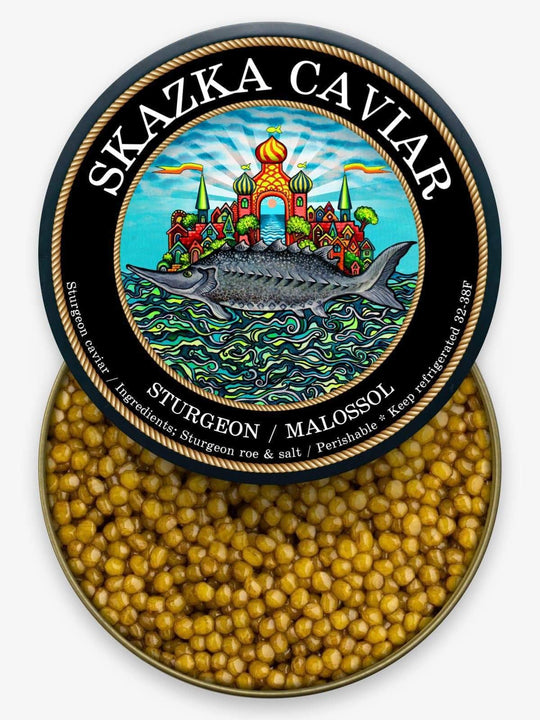
“Tsar Reserve” Golden Osetra Caviar
$395
Anyone with a taste for fine caviar will love “Royal Reserve” Golden Osetra Caviar. Its beautiful deep amber color is the first sign you’ll have that you’re in for something special, and once it hits your tongue you’ll know just… read more
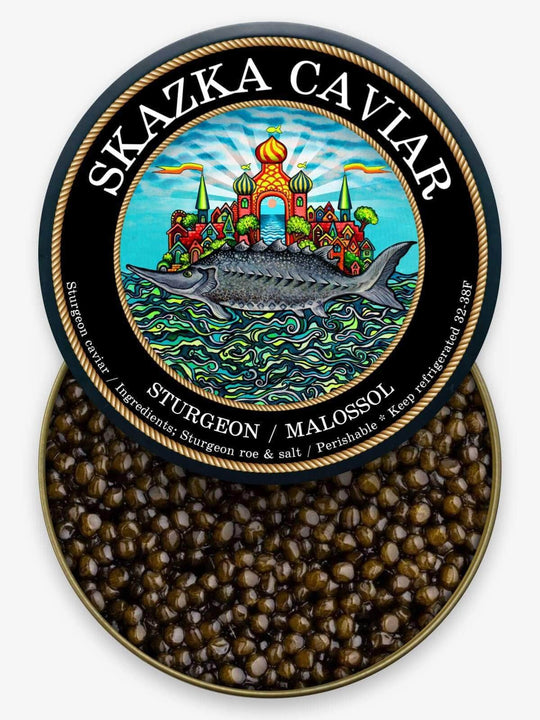
“Oprah’s Favorite” Russian Osetra Caviar
$295
$335
This medium-sized caviar is sure to be the star of any party or function you may throw. Its deep chocolate brown color is indicative of its rich and buttery flavor. Amber Osetra caviar has one of the cleanest tastes of any… read more
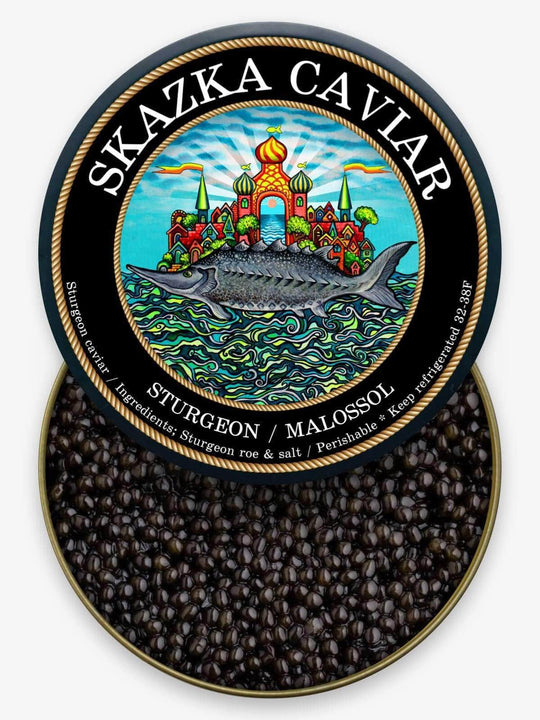
"Russian Czar" Beluga Sturgeon Caviar
$495
$599
With an incomparable richness, “Russian Czar” Beluga Sturgeon Caviar is a knockout when it comes to fine caviar. Traditionally harvested in Russia, this caviar holds a tradition of greatness throughout history. With buttery notes that linger on the taste buds,… read more
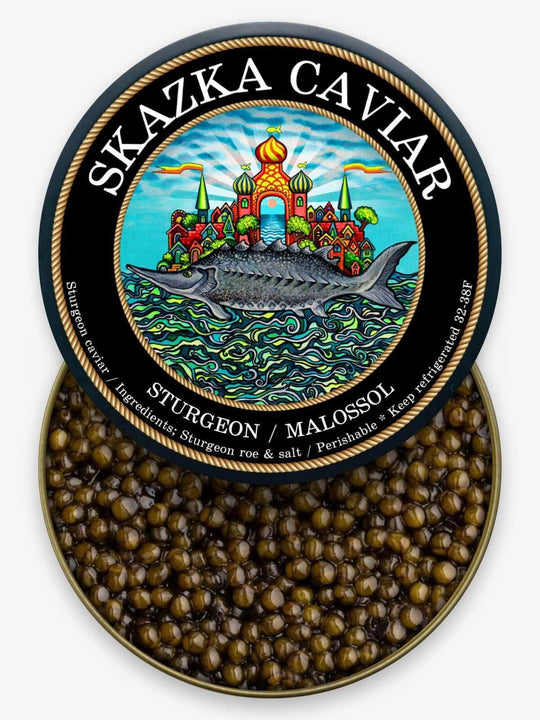
“River Beluga” Kaluga Sturgeon Caviar
$295
$395
This large, robust caviar is a favorite of connoisseurs. Its firmness provides a satisfying texture that will keep you coming back for seconds and even thirds. Its luxurious chocolate brown color is perfectly evocative of its rich taste. Hints of… read more
Shop Caviar By Type
Shop Black Caviar | Shop Red Caviar | Shop Caviar Accessories
Shop Beluga Caviar | Shop Kaluga Caviar | Shop White Sturgeon Caviar
Shop Osetra Caviar | Shop Salmon Roe | Shop Albino Sturgeon Caviar