Understanding Roe Maturity Stages
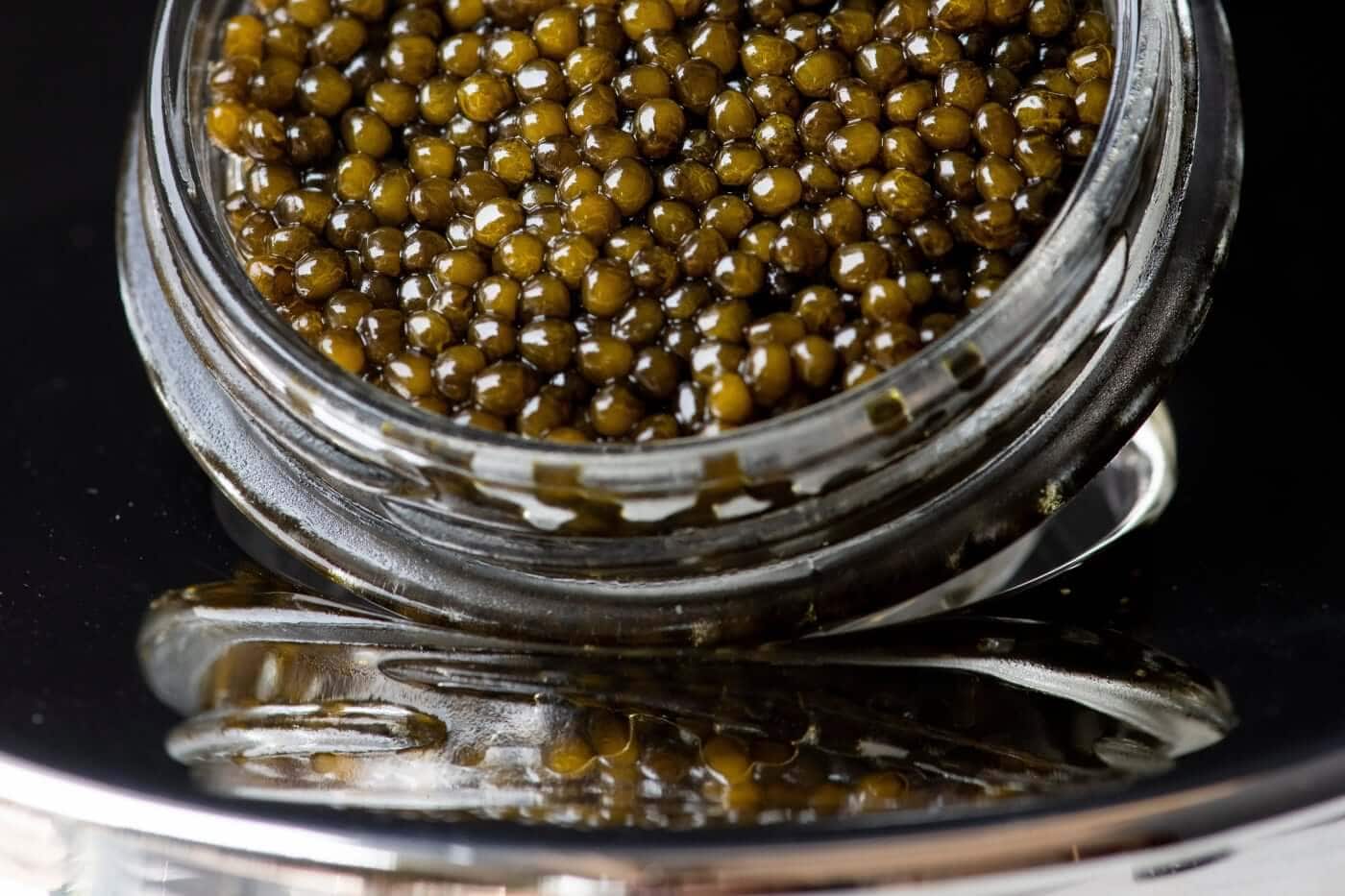
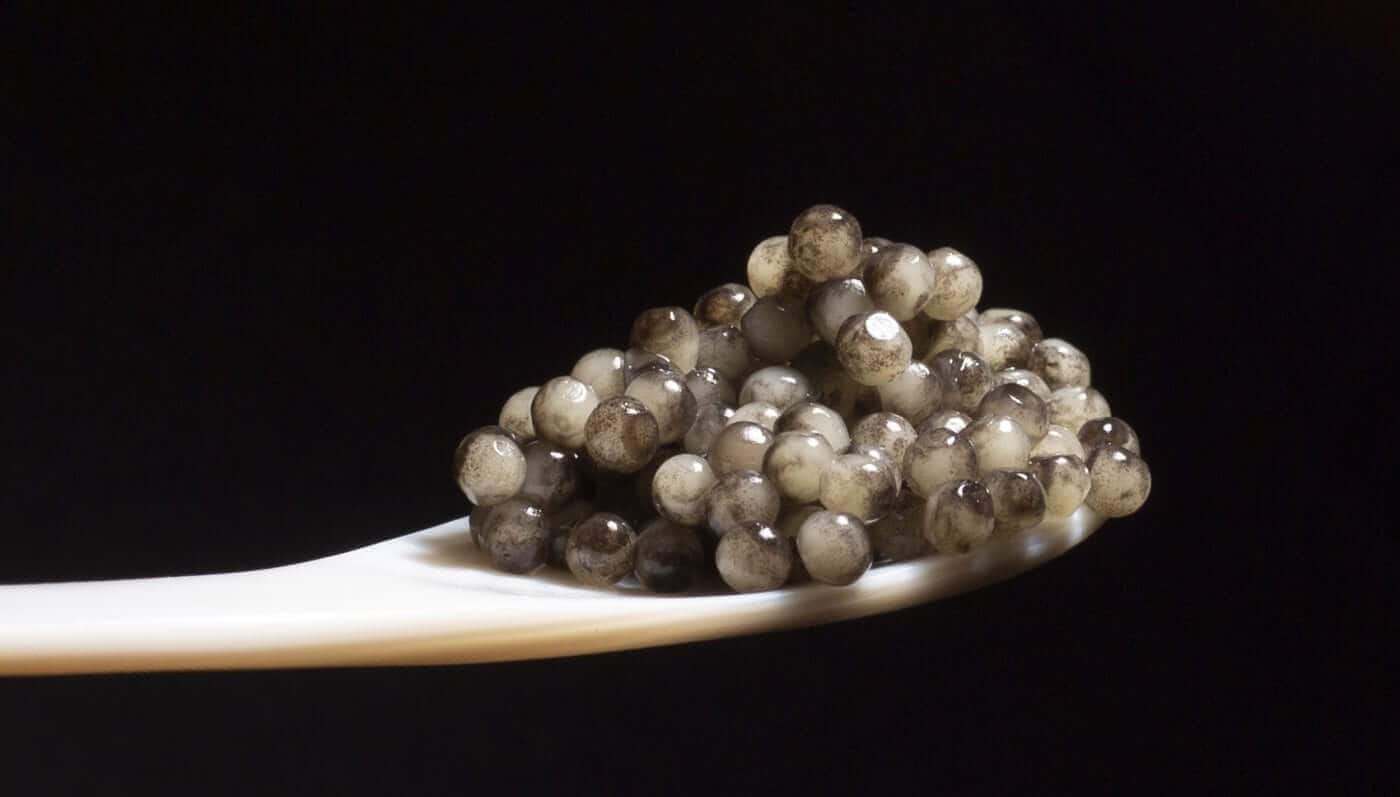
The quality of roe is directly linked to its stage of maturity, making it essential for producers to accurately identify the ideal harvest window. During the early stages of development, eggs are often too small, soft, and lacking in nutritional composition, making them unsuitable for premium markets. As the roe matures, it develops the desired size, firmness, color, and flavor that consumers expect. However, if harvesting is delayed beyond peak maturity, the egg membranes begin to weaken, resulting in softer textures and increased fragility during processing. Monitoring maturity through regular inspections, biological assessments, and experience allows producers to harvest roe when it reaches its optimal condition, ensuring consistency and high-quality products.
Read: Why Tin Packaging Is Preferred for Luxury Roe
The Impact of Harvest Timing on Texture and Flavor
Texture and flavor are among the most important characteristics determining roe quality, and both are heavily influenced by harvest timing. Properly timed harvesting ensures that each egg maintains a firm outer membrane while delivering the delicate burst of flavor associated with premium roe products. Early-harvested roe often lacks the rich taste and satisfying texture desired by consumers, whereas late-harvested roe may become overly soft, watery, or prone to breaking during handling. The natural balance of proteins, fats, and moisture reaches its peak only during a specific maturity stage, making careful scheduling essential for preserving sensory qualities. Producers who prioritize accurate harvest timing consistently achieve superior taste profiles that enhance customer satisfaction and strengthen brand reputation.
Effects on Nutritional Value and Freshness
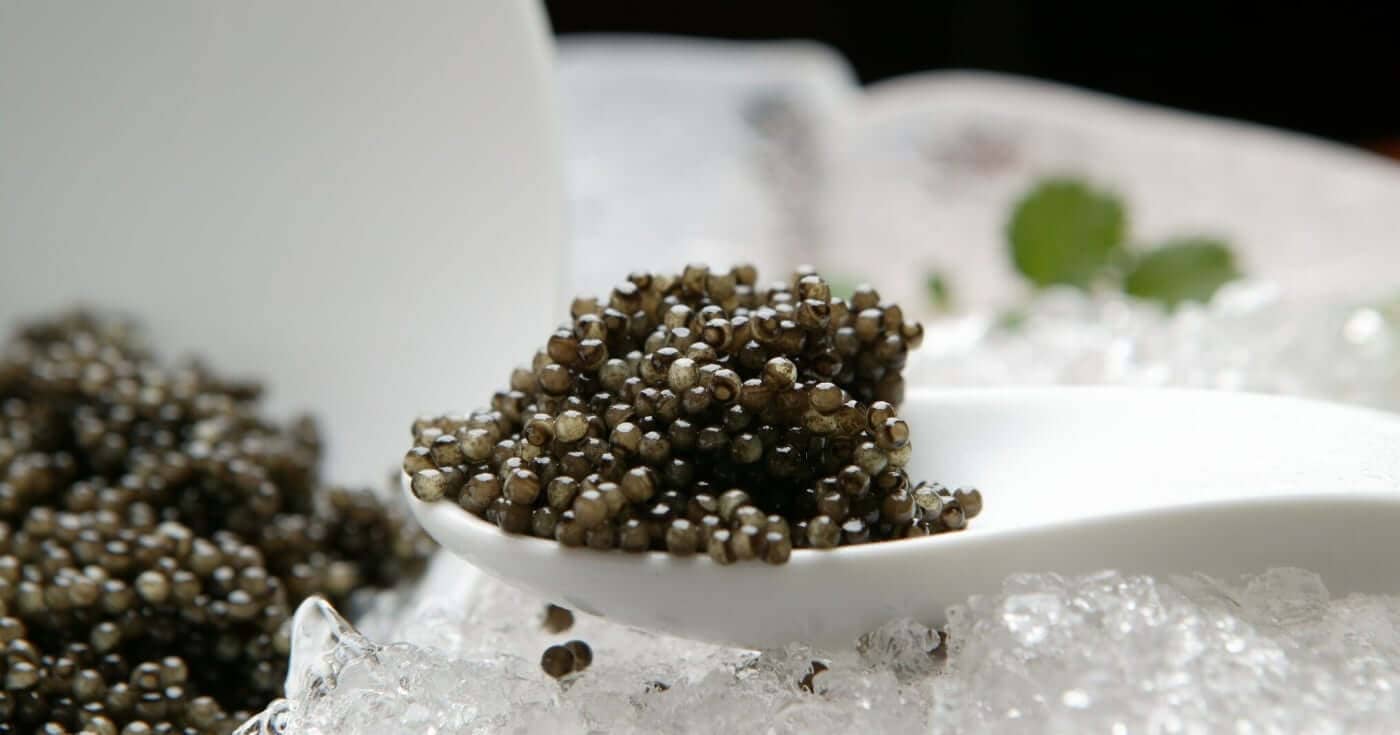
Harvest timing also plays a significant role in determining the nutritional quality and freshness of roe. At peak maturity, roe contains optimal levels of beneficial nutrients such as omega-3 fatty acids, proteins, vitamins, and essential minerals that contribute to its nutritional appeal. Harvesting too early may result in incomplete nutrient development, while delayed harvesting can trigger biological changes that gradually reduce freshness and overall quality. Freshly harvested roe processed immediately after collection retains its vibrant appearance, natural aroma, and valuable nutrients for longer periods. Maintaining strict harvest schedules combined with efficient processing practices helps producers preserve nutritional integrity while extending product shelf life and minimizing quality deterioration.
Read: The Difference Between Fresh and Aged Roe
Economic Benefits of Proper Harvest Timing
Accurate harvest timing offers substantial financial advantages for roe producers by improving product quality, reducing waste, and increasing profitability. Premium-grade roe commands significantly higher market prices because of its superior texture, appearance, and flavor. Harvesting outside the ideal maturity window often leads to downgraded products, increased processing losses, and reduced customer satisfaction. Additionally, poorly timed harvests can result in damaged eggs that are unsuitable for high-value markets, forcing producers to sell them at lower prices or discard them altogether. Investing in staff training, monitoring technology, and harvest planning enables businesses to consistently produce high-quality roe, maximize yields, and strengthen their competitive position within domestic and international seafood markets.
Sustainable Harvesting Practices for Better Roe Quality
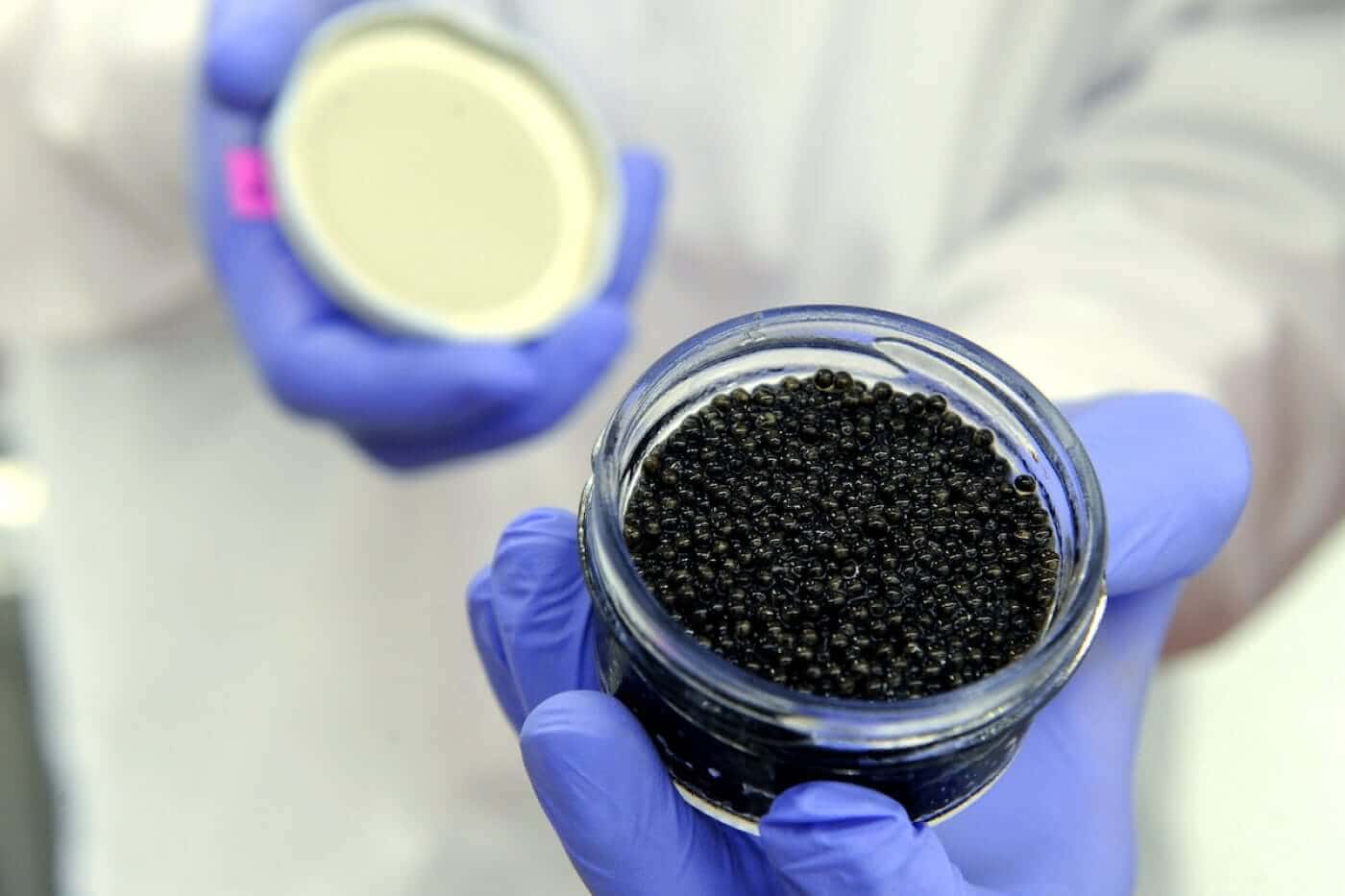
Sustainability has become an increasingly important consideration in modern roe production, and harvest timing contributes significantly to responsible resource management. Harvesting fish only when roe has reached optimal maturity minimizes unnecessary waste and improves production efficiency. Sustainable practices include careful monitoring of fish health, maintaining optimal water quality, reducing handling stress, and using ethical harvesting techniques that protect both fish welfare and ecosystem balance. Many aquaculture operations also utilize advanced technologies such as ultrasound imaging and maturity assessment tools to determine the best harvest periods without causing unnecessary harm to broodstock. These environmentally responsible approaches support long-term production while ensuring consistently high-quality roe for future generations.
Modern Technologies Improving Harvest Timing Accuracy
Advancements in aquaculture technology have significantly improved the accuracy of harvest timing, allowing producers to achieve higher standards of roe quality. Modern monitoring systems utilize water quality sensors, automated feeding programs, ultrasound imaging, hormonal analysis, and artificial intelligence to predict the precise stage of egg development. These technologies reduce reliance on guesswork and enable producers to make informed harvesting decisions based on scientific data. Digital record-keeping and predictive analytics further help farmers identify seasonal patterns and optimize future production cycles. As technology continues to evolve, the ability to harvest roe at its ideal maturity stage will become even more precise, leading to improved consistency, reduced waste, and enhanced product value across the global seafood industry.
Conclusion
The importance of harvest timing in roe quality cannot be overstated. From achieving the ideal texture, flavor, and nutritional value to maximizing profitability and supporting sustainable aquaculture practices, harvesting roe at the correct stage of maturity is essential for producing premium-quality products. Careful monitoring, experienced management, and the adoption of modern technologies enable producers to consistently identify the optimal harvest window and maintain exceptional standards throughout the production process. As consumer expectations continue to rise, businesses that prioritize precise harvest timing will be better positioned to deliver superior roe, build customer trust, and remain competitive in an increasingly demanding global market. By combining scientific knowledge with responsible harvesting practices, the roe industry can continue producing high-quality products while ensuring long-term sustainability and economic success.
About the Author
 Igor Fishbeyn - Caviar Purveyor
Igor Fishbeyn is purveyor of fine sturgeon caviar and creator of the Skazka Caviar brand. He is an expert with decades of experience specializing in importing, wholesaling, and retailing the finest quality caviar in the world. Igor frequently writes about caviar news and various topics about the caviar industry. He lives in San Francisco with his wife and daughter.
Shop Skazka Caviar
Browse Our Exclusive Caviar Collection
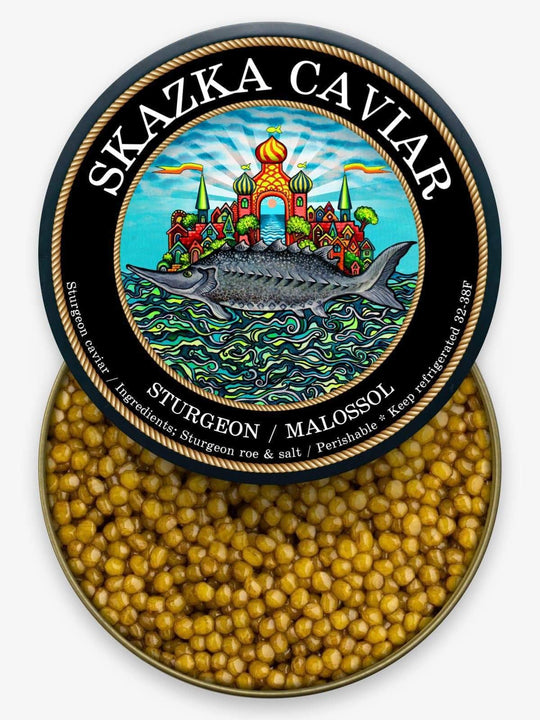
“Tsar Reserve” Golden Osetra Caviar
$395
Anyone with a taste for fine caviar will love “Royal Reserve” Golden Osetra Caviar. Its beautiful deep amber color is the first sign you’ll have that you’re in for something special, and once it hits your tongue you’ll know just… read more
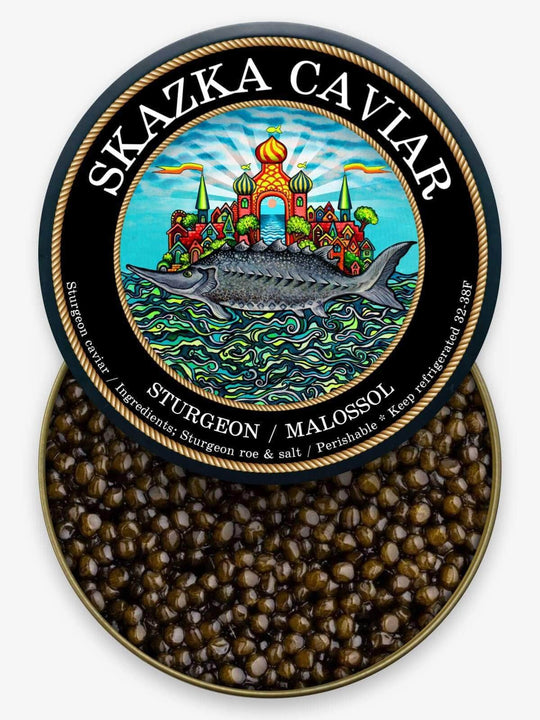
“Oprah’s Favorite” Russian Osetra Caviar
$295
$335
This medium-sized caviar is sure to be the star of any party or function you may throw. Its deep chocolate brown color is indicative of its rich and buttery flavor. Amber Osetra caviar has one of the cleanest tastes of any… read more
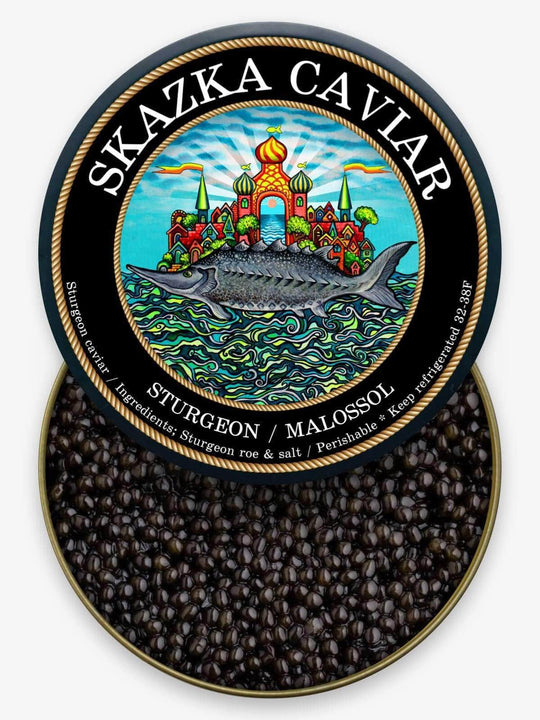
"Russian Czar" Beluga Sturgeon Caviar
$495
$599
With an incomparable richness, “Russian Czar” Beluga Sturgeon Caviar is a knockout when it comes to fine caviar. Traditionally harvested in Russia, this caviar holds a tradition of greatness throughout history. With buttery notes that linger on the taste buds,… read more
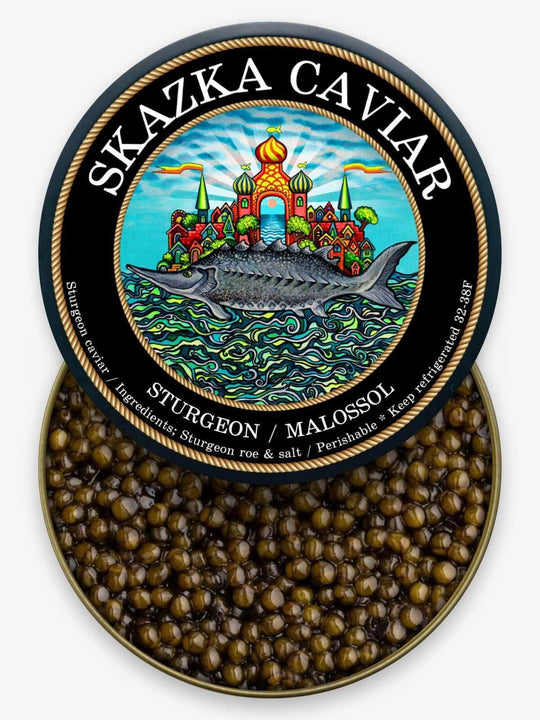
“River Beluga” Kaluga Sturgeon Caviar
$295
$395
This large, robust caviar is a favorite of connoisseurs. Its firmness provides a satisfying texture that will keep you coming back for seconds and even thirds. Its luxurious chocolate brown color is perfectly evocative of its rich taste. Hints of… read more
Shop Caviar By Type
Shop Black Caviar | Shop Red Caviar | Shop Caviar Accessories
Shop Beluga Caviar | Shop Kaluga Caviar | Shop White Sturgeon Caviar
Shop Osetra Caviar | Shop Salmon Roe | Shop Albino Sturgeon Caviar