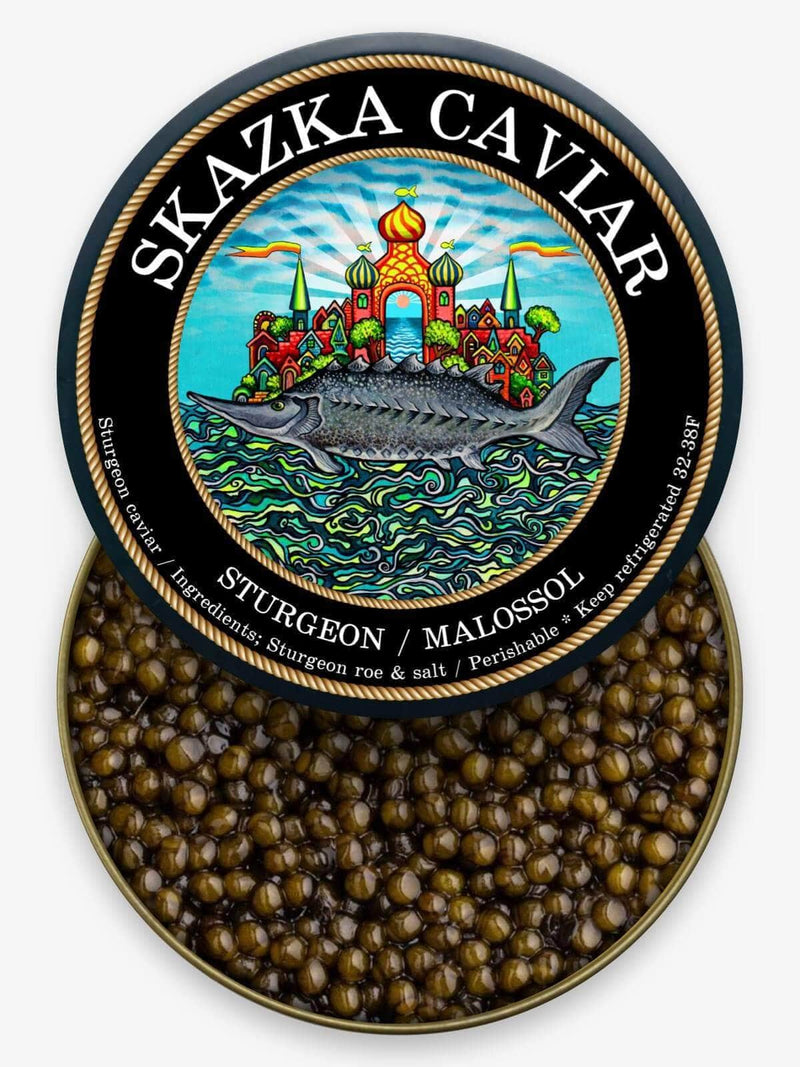
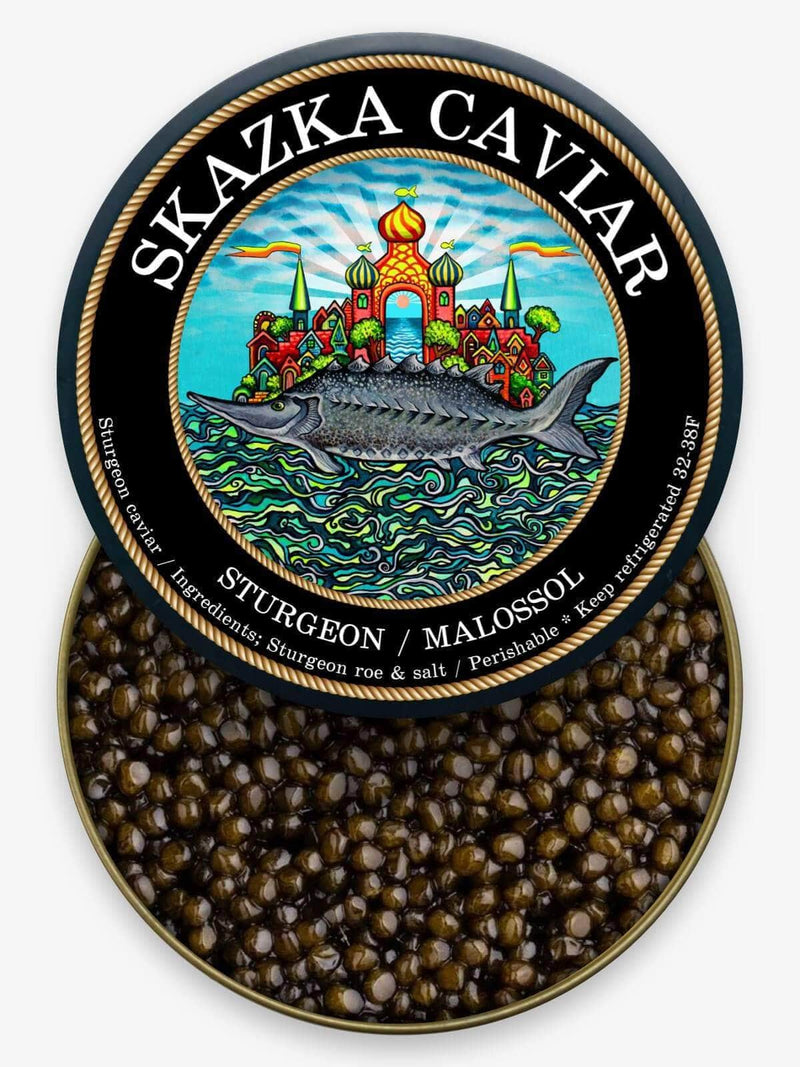
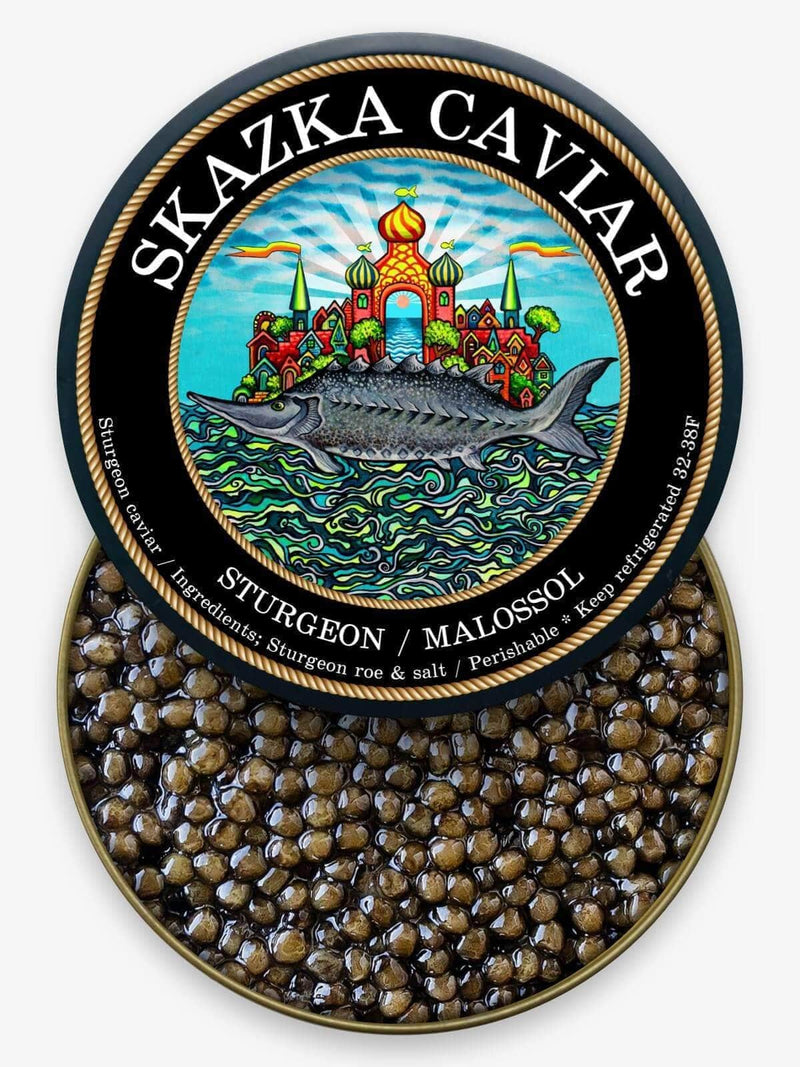
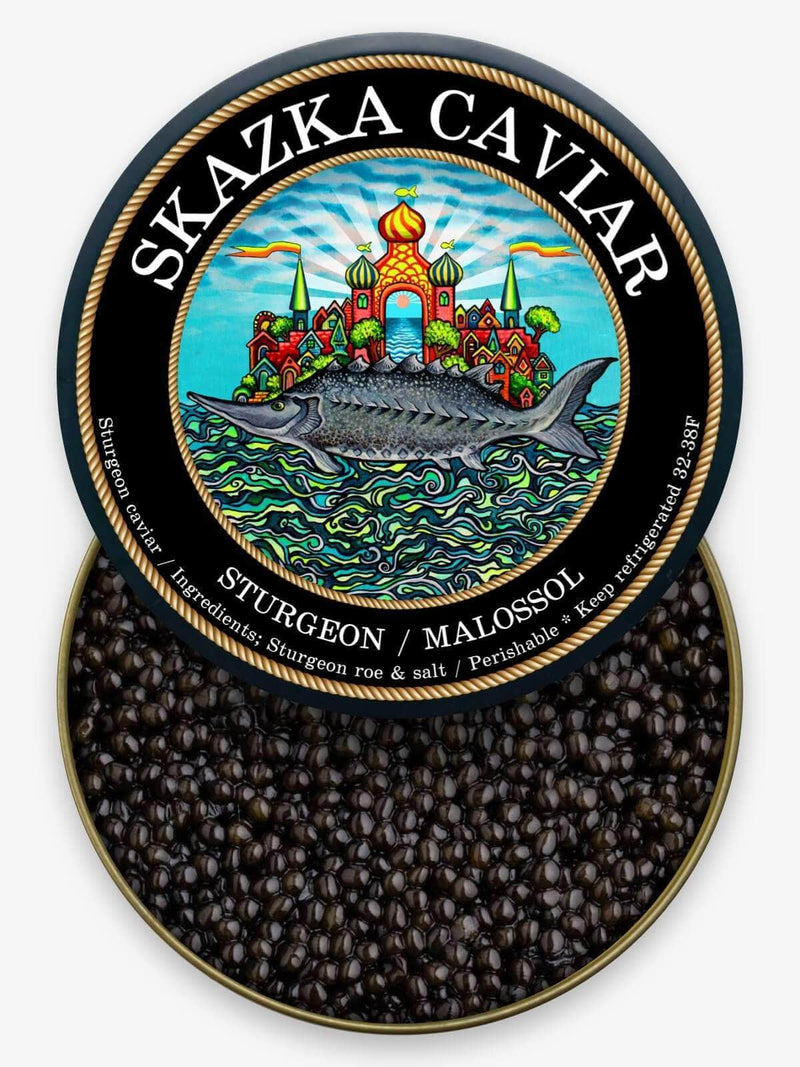
Caviar, the luxurious delicacy of salt-cured sturgeon roe, has long been associated with sophistication, exclusivity, and opulence. But beyond its reputation, the caviar industry is a global market driven by complex supply chains, evolving consumer preferences, and growing sustainability concerns. As luxury food markets expand and shift, so too does the role of caviar in global trade and gastronomy. This article delves into key statistics and data points to uncover how the caviar industry operates, where it’s growing, and what trends are shaping its future.
A Multi-Billion Dollar Industry
As of 2024, the global caviar market is estimated to be worth approximately $1.5 billion USD, with projections suggesting it could reach nearly $2.2 billion by 2030. This growth is driven by increased demand in luxury hospitality, fine dining, and affluent home consumption, especially in emerging markets across Asia and the Middle East. The premium segment, including Beluga, Ossetra, and Sevruga varieties, continues to dominate revenues, while alternatives like salmon and paddlefish roe have opened the door to a broader consumer base.

Read: A Guide to Caviar Grading: From Quality to Texture
China: The World’s Leading Producer
Once dominated by the Caspian Sea region (notably Russia and Iran), global caviar production has seen a major geographic shift. China now accounts for over 60% of the world’s farmed caviar production, with leading aquaculture companies like Kaluga Queen producing hundreds of tons annually. This shift is largely due to sustainable aquaculture practices, fewer export restrictions, and significant government investment in the fish farming sector. Europe still holds strong, particularly countries like France, Italy, and Germany, which have developed high-quality sturgeon farming operations.
Export Powerhouses and Import Leaders
According to the latest trade data, France, China, and Italy are among the top caviar exporters, while the United States, UAE, and Japan lead in imports. The U.S. alone imports approximately 80–100 metric tons of caviar annually, accounting for a large portion of luxury food imports in the country. Meanwhile, Russia and Iran continue to contribute to the wild-sourced and high-end segment, though international trade sanctions and sustainability concerns have limited their exports in recent years.

Read: Wild and Farmed Caviar: Which is Better?
Price Ranges: From Affordable to Astronomical
Caviar prices vary widely depending on species, origin, and quality. Entry-level roe such as American paddlefish or salmon caviar can retail for as low as $20 to $50 per 100 grams, while premium sturgeon caviar like Beluga can command $5,000 or more per kilogram. The world’s most expensive caviar, Almas, derived from rare Iranian albino sturgeon, is known to sell for over $25,000 per kilogram, packaged in 24-karat gold tins. These price points reflect both rarity and the long maturation process, which can take up to 20 years for some sturgeon species.

Aquaculture and Sustainability Trends
Sustainability is a critical issue in the caviar industry, as overfishing and habitat degradation in the Caspian Sea once pushed sturgeon populations to the brink of extinction. Today, over 90% of caviar sold globally is farm-raised, thanks to aquaculture initiatives designed to conserve wild populations and ensure a consistent supply. Key certifications, such as those from the Aquaculture Stewardship Council (ASC) and the Marine Stewardship Council (MSC), are becoming more common as consumers and chefs alike demand traceability and ethical sourcing.
Consumer Demographics and Preferences
Traditionally associated with older, wealthy elites, caviar is now appealing to younger, affluent millennials and Gen Z consumers who seek out unique culinary experiences and sustainable luxury. A recent survey found that 43% of new caviar buyers are under the age of 40, with a growing interest in trying caviar through tasting flights, small-plate menus, and social media-driven trends. Online sales of caviar have also surged by over 35% since 2020, with many brands offering next-day delivery, virtual tastings, and subscription boxes.

Conclusion
The global caviar industry is evolving rapidly, marked by changing production centers, shifting consumer demographics, and an increased focus on sustainability. While luxury and tradition still define much of its appeal, new technologies in aquaculture, expanding global markets, and the digital transformation of food retail are reshaping how caviar is produced, distributed, and enjoyed. As the numbers show, caviar is no longer a niche delicacy for the ultra-wealthy, but a growing market that blends heritage with innovation across continents.
Shop the caviar
Explore Kaluga, Osetra, Beluga, and salmon roe from Caviar Skazka, plus spoons, blinis, and gift sets. Call or text (415) 366-0200, 9 AM–9 PM daily.
Kaluga, from $295 · Osetra, from $295 · Beluga, from $495 · Gift boxes, starting at $500